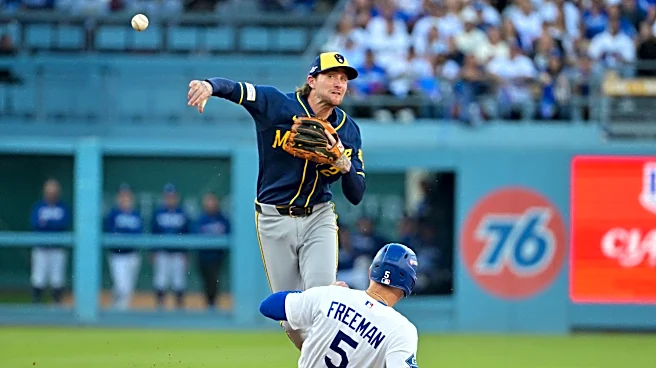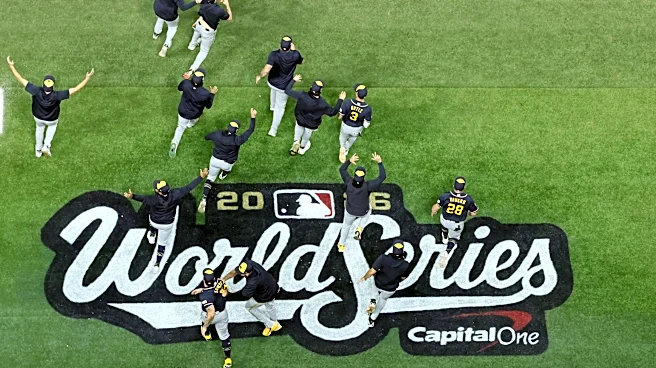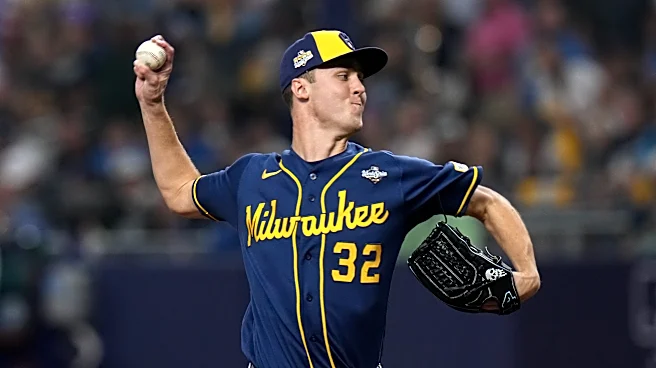

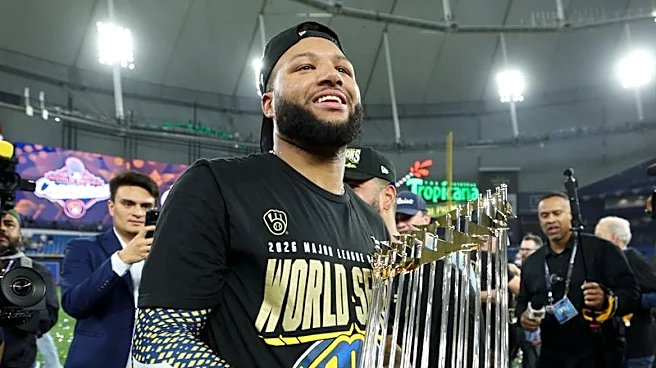

The baseball postseason makes space for the unpredictable, but sometimes, it also brings to light what was clear all along. The Milwaukee Brewers won the World Series and deserved every bit of it. They were seen as the most likely squad to derail the Dodgers’ hopes of a threepeat, and ultimately they ran roughshod over the National League and beat the Rays to win it all. They did what they were expected to do based on a full season of excellence, and in fact, despite how MLB’s playoffs traffic in tiny
samples, this postseason mostly served to highlight the obvious flaws in many would-be contenders, particularly in the American League, which only really produced a couple teams that impressed in 2026.
First off, let’s start with an easy one regarding the Houston Astros, who in no way, shape, or form had a rotation that even remotely belonged in a playoff setting. Two games are just that, but the White Sox piling up 13 runs to sweep Houston in the AL Wild Card round felt justified given how poor Houston’s pitching was all year. In the series that followed, which pitted Chicago against Cleveland, there was no rhyme or reason to the AL Central race this season. It was a continuous cycle of mediocrity with no team capable of capitalizing on a weak field, and fittingly, the Guardians and White Sox delivered a back-and-forth series in the most bizarre way possible, with the road team winning the first four games before Cleveland completed comeback from down 2-0 with a win in Game 5.
Now, we move on to the more important narratives in the AL East that were confirmed in the playoffs. Through 162 games, the Yankees survived Aaron Judge’s absence in large part thanks to Ben Rice’s glorious campaign and a dynamite pitching staff. Still, the offense was an issue for most the season, and it was let down by the likes of Trent Grisham and Jazz Chisholm Jr., who had in the past done enough for us to expect more from them but crashed and burned at the plate in 2026.
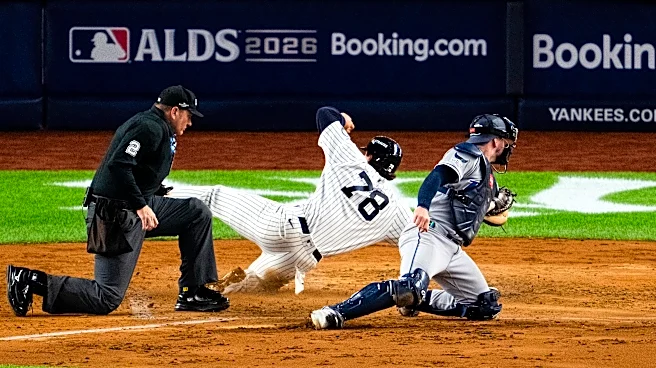
Who knew that in a playoff setting against their toughest divisional adversary, the support around Rice wouldn’t be enough against a Tampa offense that would deliver a professional at-bat after a professional at-bat against the Yankees’ outstanding rotation? The fear heading into the ALDS for the Yankees was that their pitching staff would need to be perfect, and anything short would result in failure, and that’s exactly what happened. The Rays averaged 3.3 runs per game in three wins against the Yankees in the ALDS, doing just enough to damage the Yankees’ pitching while their offense floundered. Rice did his part and then some, but one hitter can only accomplish so much if no one around is getting on base.
If we take a step back, the Wild Card series against the Red Sox outlined similar but more egregious faults with the Red Sox offense. Their Ben Rice was Willson Contreras, who, granted, has upped his hitting game significantly since moving full-time to first but is not in the same class, and Boston’s lineup didn’t have the depth that even the Yankees had, ultimately putting up just two runs in two playoff games. It’s actually amusing in a tragicomic way that one of the more disappointing stretches of contending playoff baseball for the Yankees has involved battering the Red Sox in October twice.
Lastly and perhaps most importantly, at least in the grand scheme of things, the inferior product of the American League was exposed in the World Series with the Brewers beating the Rays in five. Sure, things could have gone differently in a short series, with the Brewers eeking out one-run wins in the first two games. But Milwaukee was the better team all year, was the consensus favorite heading into the World Series, and was in total control for almost the entire series. The championship felt emblematic of the year that was in MLB, with the NL leaving the AL in the dust all year. The postseason as a whole felt representative. Though they aren’t every year, at least in 2026, the playoffs shined a light on what every team was this season.