



The draft is never the No. 1 tool in the Yankees’ toolbox when it comes to building a contending roster, but it’s not one they can ever truly ignore. They’ll always use their financial might to get some of the best talent money can buy in pinstripes, but in a league that’s quickly becoming one where they’re not the pre-eminent spending power and with the upcoming labor negotiations threatening to put everyone on a similar playing field, getting cheap talent is becoming more and more important.
However
you feel about some of these guys, there’s no doubt the quality of the Yankees’ drafts has improved since the COVID-19 pandemic. The team finally found its first true franchise cornerstone bat since Aaron Judge in the 12th round in 2021 in Ben Rice, and concurrently seems to have unearthed their first homegrown ace since Andy Pettitte (did 2017-18 Sevy count?) in former seventh-rounder Cam Schlittler, while also producing a bunch of big leaguers that have filled up the margins of rosters around the league.
The 2026 draft has come and gone. As usual, the Yanks had one of the lowest draft slot values, made even lower when their first-round pick was dropped 10 spots due to exceeding the luxury tax. As such, they don’t have as much money to play with when it comes to over- and under-slot guys compared to revenue-sharing teams that get free top draft picks for existing.
As such, they have a playbook they like to stick by. Here’s a few rules of that playbook over the last few years:
- College arms are the priority, especially tall, projectable righties.
- Of the hitters the team selects, they’re usually college bats. Most of them have a serious power tool, but a few contact bats slip through. Of those college bats, don’t bother with catchers. We do good enough internationally with them.
- Don’t play around with the high school circuit. You don’t have the money to sign a lot of them.
- The exception to the rule above is the first round. With your first pick, feel free to draft a prep shortstop.
Those four rules can be found across the last five draft classes, but the Yankees didn’t seem to care all that much about their prior playbook this year. Pretty much every rule was violated to some extent. Is it an aberration, a new trend, or something that the team viewed as necessary given the current state of the farm?
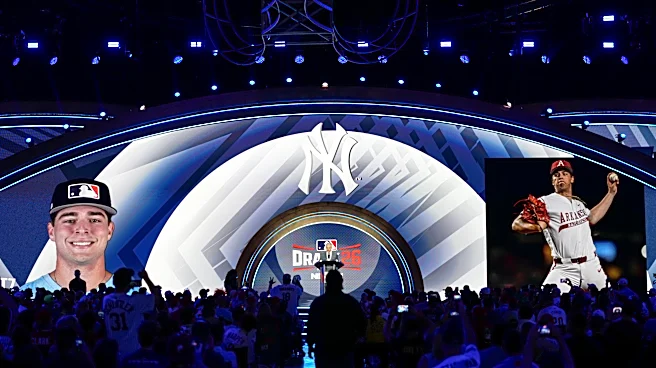
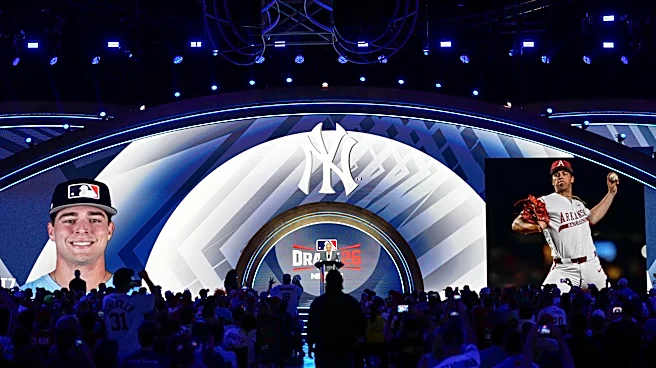
I’ll start at the jump, where the Yankees selected left-handed pitcher Hunter Dietz out of Arkansas. It’s not too dissimilar to their picking Ben Hess out of Alabama two years ago, but he’s a better prospect with better results at the time of drafting. It’s the first time the Yankees have picked a southpaw pitcher with their first selection since Jacob Lindgren in 2014. Even odder? They doubled up with Sean Duncan in the second round, marking the first time they picked a pair of lefties to start a draft since Eric Milton and Jason Coble in 1996.
What’s also interesting about these two? They went a bit below where they were supposed to because of recent injuries. Dietz underwent surgery in the fall of 2023 before a setback took him out of baseball for pretty much two years. Before his stellar 2026 campaign, he had tossed 1.2 career D1 innings. Duncan recently underwent Tommy John surgery and likely won’t make his pro debut until 2028, but he is a high-school arm with plenty of time to rehab.
On that high school note, the Yankees aren’t big on prep arms early in the draft, either. They last picked one of those in the first five rounds in 2021 with Brock Selvidge. Duncan is the highest-drafted prep pitcher by the organization since picking Matt Sauer No. 54 in 2017.
What we certainly didn’t expect was that he’d be the first of several prep draftees for the Yankees. They picked four high schoolers for just the second time in the last nine drafts.
That 2023 draft saw them go with George Lombard Jr. early and a trio of guys late in Josh Tiedemann, Danny Flatt, and Puerto Rico native Wilson Rodriguez. They signed all four of them, but that might be because only Lombard needed to be lured away from a major baseball school. While Tiedemann was a TCU commit, Flatt was signed to Lipscomb and Rodriguez didn’t have a college offer.
In this draft, they’re going to have to lure guys away from Vanderbilt, Ole Miss, James Madison, and Texas Tech. They took a swing on Andrew Gonzalez out of the El Paso area in the sixth round before throwing some late fliers at Lee Garris out of Virginia and William Cutshall out of South Carolina. Three prep bats are a real rarity for the organization to draft with their limited assets, so I’m interested to see if the men in charge have something up their sleeves to get all four prep guys to put pen to paper.
On the bats in general, the Yankees picked a lot more of them than I thought they would. Their organizational philosophy of late has been to put their eggs in the position player market internationally while going after the projectable college arms in the draft, but this year? They only picked eight pitchers out of 20, the fewest since 2007.
Additionally, the team also selected two catchers in the first 10 rounds. This usually isn’t something to bat an eye at, but for this organization? It’s something notable. The Yankees under Tanner Swanson have helped develop a lot of big league catchers, but almost all of them were either drafted elsewhere, undrafted, or international signings:
- JC Escarra: minor league free agent
- Rodolfo Duran: minor league free agent
- Carlos Narvaez: international signing
- Mickey Gasper: drafted pre-2020
- Rafael Flores Jr.: undrafted free agent
- Jesus Rodriguez: international signing
- Agustin Ramirez: international signing
- Omar Martinez: international signing
There are a bunch more who spent a very brief time in the organization, but you get the point. Since drafting Austin Wells in the first round in 2020 until this year, the Yankees have only drafted three catchers: Ben Rice (12th round, 2021), Dominic Keegan (19th round, 2021), and Tomas Frick (13th round, 2023). Rice, obviously, came up as a first baseman and might never catch again; Keegan didn’t sign, and Frick is currently in Double-A.
Entering this draft, though, it was pretty obvious they needed to refill the coffers. The team emptied its organizational catching depth at last year’s deadline, and they’ve spent all season giving minor league journeymen at-bats in the upper minors. While guys like Engelth Urena, Josue Gonzalez, and Luis Puello have been plying their trade in A-ball, they needed a talent infusion.
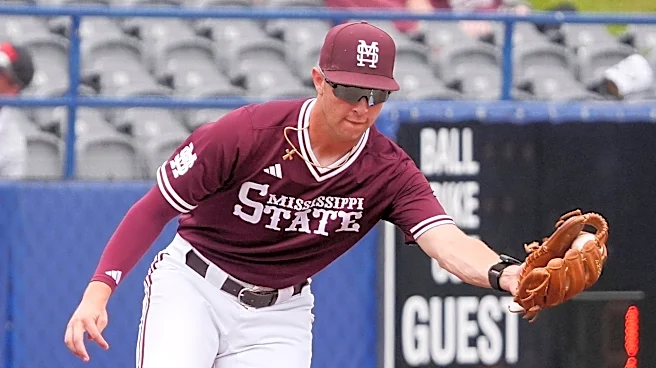
So, for the first time in six years, they spent a pick in the first 10 rounds on a catcher. They even doubled down by picking two different SEC backstops in the first half of the draft for the first time since picking Anthony Seigler and Josh Breaux at the top of the 2018 draft. While Brendan Brock, the Oklahoma product, could wind up in the outfield with his genuine plus speed, they both seem to have a real shot at sticking behind the plate.
Those last two trends speak to a shift in the team’s philosophy for this draft. They’ve spent the last five years building considerable pitching depth in the organization, which has gotten guys like Schlittler and Will Warren major league starting jobs, while minor league affiliates up and down the system were picked with pretty favorable selections.
The Yankees need position player prospects. They cleaned out a lot of the intriguing guys in the last year via trade. At this point, with Spencer Jones on the brink of graduating and Lombard not far behind, their only highly rated hitting prospect is 2025 first-rounder Dax Kilby, who’s played one game this year due to recurring hamstring issues. Who’s their second-best hitting prospect after him? It’s hard to tell.
The fruits of this draft class won’t be seen for quite some time, but the Yankees seem to be changing things up to increase the upside of this class. Instead of punting some of the late picks they won’t sign, they grabbed a few Power Four sluggers who they’re banking on continuing to slug up the minor league ladder.
The true upside of this class is going to rely on their ability to squeeze these guys into their rather diminutive bonus pool. Four prep guys, plus multiple small college transfers with offers from big-time schools that come with six-figure NIL salaries gives a wide range of outcomes for just how many actually join the organization.
Will going away from their fastball pay off in the end? We’ll know soon enough.