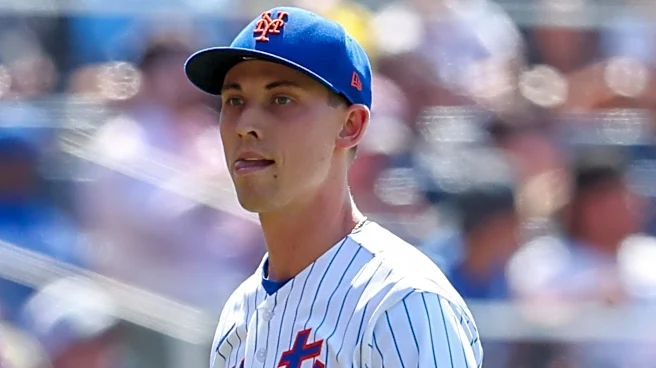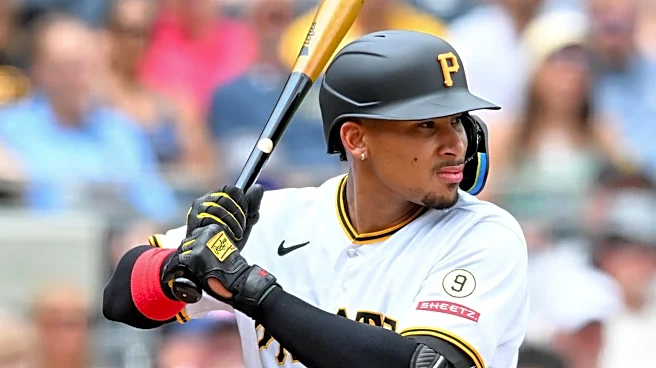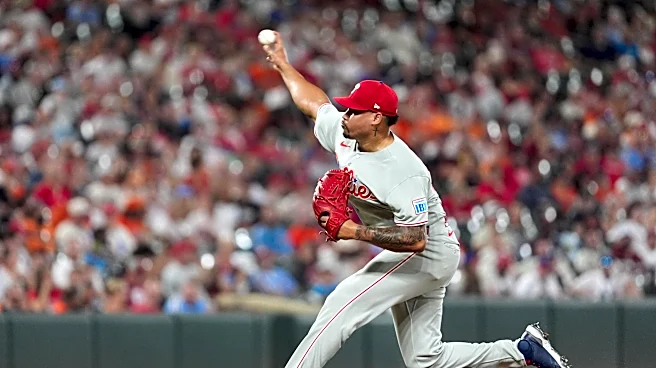

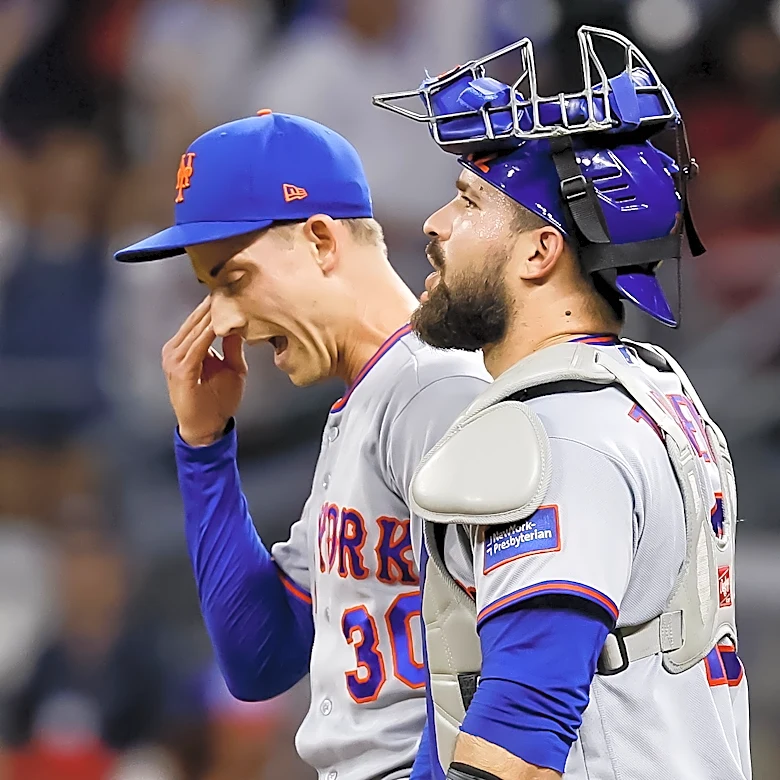

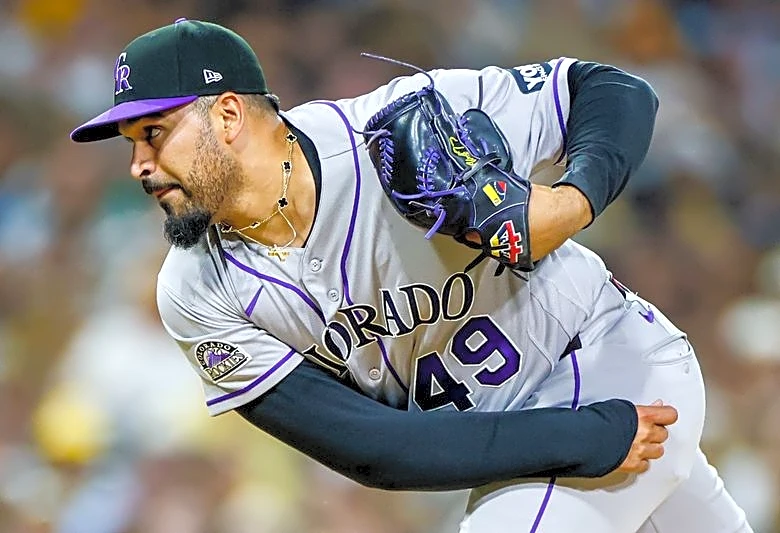

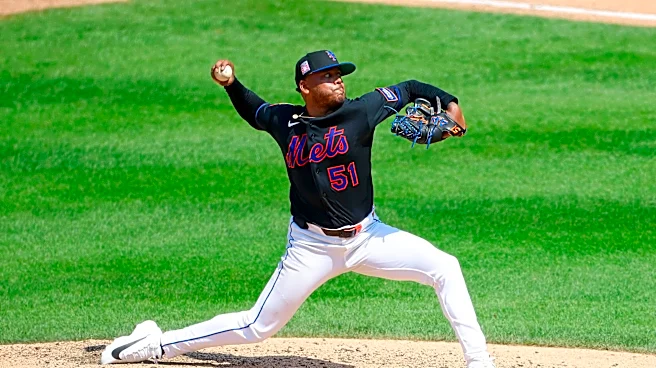
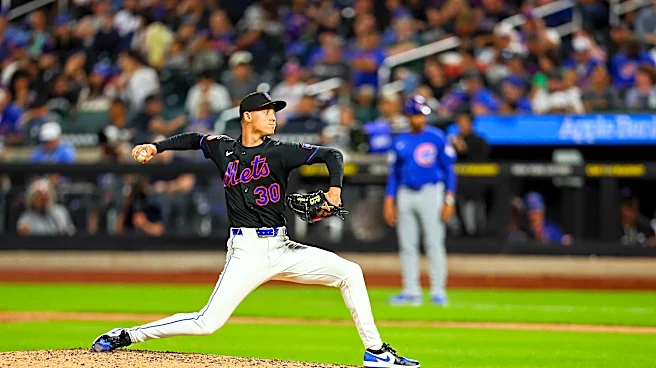
With their lower value trade chips gone on deadline day, the Mets moved on to trading players with more significant value. The Pirates were the eventual landing spot for the first of these deals, landing Luke Weaver— along with some coverage of his contract—for infield prospect Sammy Stafura.
Stafura was drafted in the second round of the 2023 draft by the Reds out of Walter Panas High School. Two years later, he was traded to Pittsburgh as part of a deadline deal for Ke’Bryan Hayes. Stafura is actually
a lifelong Mets fan from Westchester, the second local product (after Gary Gill Hill, acquired from the Rays in the Freddy Peralta trade) acquired by the Mets at this deadline. It is always cool when you can bring in players who are enthusiastic about the organization.
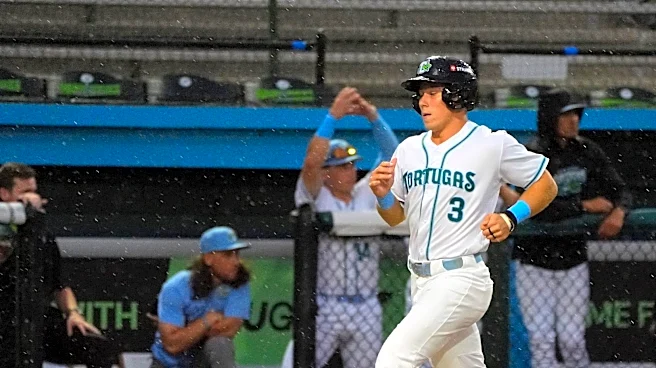
As for the on-field player, Stafura is your classic toolsy middle infielder; he has plus speed, is a decent shortstop defender, and has plus potential raw power. His on field performance prior to June of 2026 could best be described as “good, but not great”. Then he hit 16 homers in his last 22 games at High-A Greensboro. That’s something that should certainly grab your attention.
With the upside that performance portends comes serious hit tool questions. Stafura is striking out almost 30% of the time in High-A, is running a 71% Z-contact, and has a clear propensity to chase. This all portends to serious hit tool and/or pitch recognition issues, flaws that could be crippling as he moves up the minor league ladder. This weakness will likely him keep him at the back-end or just off offseason top-100 lists (a distinction that is largely meaningless from those that sneak on to the back of the list).
Sometimes guys with big tools and serious hit tool questions have a huge month with no root cause beyond statistical noise. Sometimes it’s the product of actual changes that are real and sustainable. Parsing whether Stafura’s recent surge – which pushed his OPS at High-A from the high 500s into the 1.000+ range – is the former or the latter is nigh impossible for us on the public side. Hell, it’s not even all that easy for team-side analysts to figure out. What this does serve to illustrate is the high risk, high reward nature of this profile.
How you feel about this return largely comes down to personal preference. In terms of objective, consensus value, this is a solid return for a reliever of Weaver’s caliber signed to a roughly market-rate deal. If you like power-over-hit profiles, you probably like this deal more (and you likely less the Freddy Peralta deal less). If, like me, you prefer the opposite sort of hitter, you’ll like this deal a bit less.
We’ll have full grades for every deadline deal the Mets make once all the moves for the deadline have been made. Check back in for those next week.