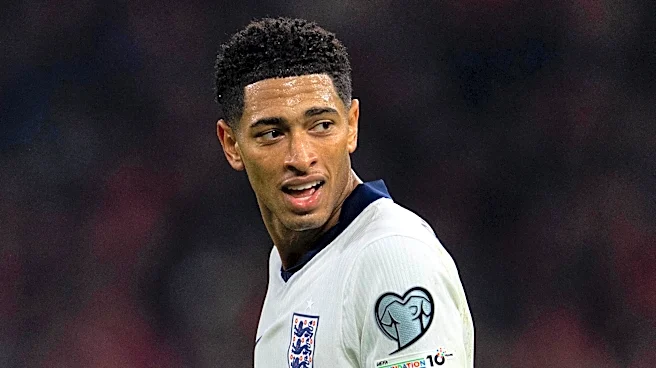





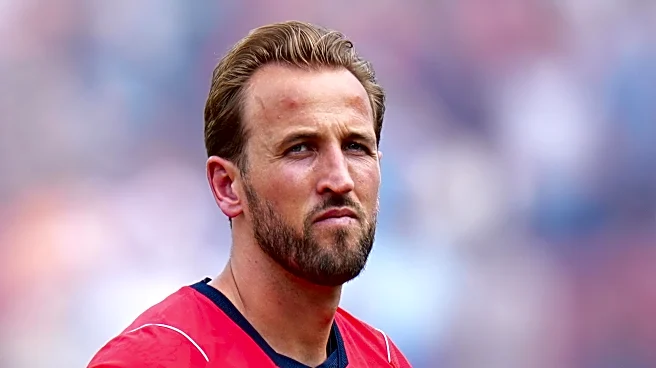

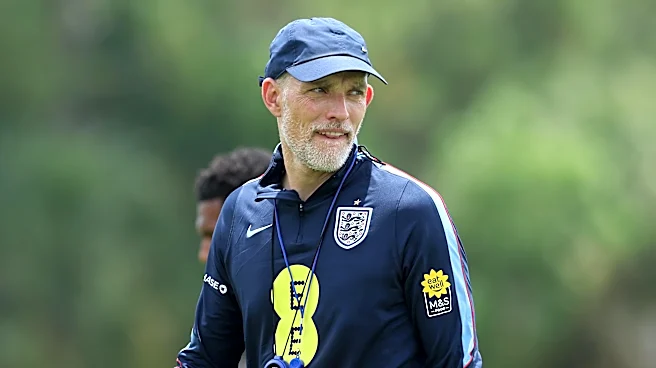
This will sound like an exaggerated statement, but: Jude Bellingham is one of the most unique footballers the sport has ever seen. What seems like hyperbole at first will make sense when you tune in to watch a game of his from start to finish. Attempt to pin down what position he plays. False nine? Check. Advanced 10? Sure. Box-to-box midfielder? Absolutely. Wide creator? Somehow, yes.
Within the same sequence, Bellingham can arrive in the box to finish a move, drop deep to help Real Madrid escape
pressure, split a defensive line with a through ball, then recover 40 yards to make a slide tackle in transition. There are not many historical comparisons that truly fit him. In Real Madrid’s history, the one name that comes closest is Alfredo Di Stefano—another complete footballer who seemed to exist everywhere at once.
When Real Madrid signed Bellingham from Borussia Dortmund, they expected a player who could cover ground relentlessly in midfield while adding flair to the attack. What they did not anticipate was his ability to essentially absorb Karim Benzema’s old role after Benzema left the club.
Bellingham became the connective tissue of the attack as a pseudo false nine. He led the team in scoring, delivered clutch winners in massive games, and still maintained elite defensive output. Crucially, he did not do it as a stationary striker. He roamed constantly—sometimes behind the midfield line during build-up, other times arriving late into the box like a classic second striker.
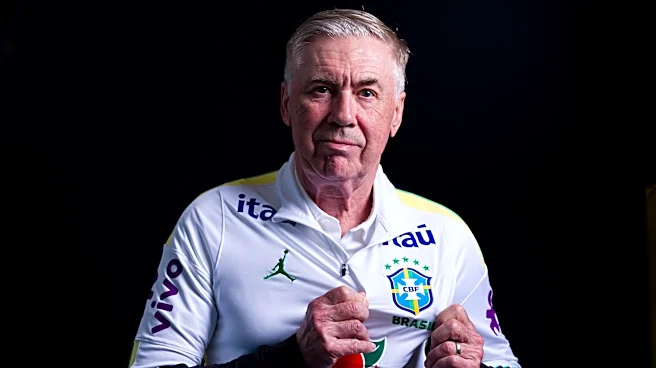
Bellingham gave Real Madrid tactical unpredictability. Opponents had difficulty tracking his runs. Carlo Ancelotti built an attack around two players—Vinicius and Bellingham—who destroyed defensive structure in completely different ways.
Football’s tactical identity crisis
The traditional conversation around midfielders used to be simple. You were either a holding midfielder, an attacking midfielder, or a wide player. Bellingham exists outside those definitions entirely. He represents the modern game’s fluid nature.
Sometimes, Bellingham’s versatility creates problems. Multi-faceted players often become victims of their own adaptability. Because they can do everything, managers frequently ask them to do too much, and take a backseat to those players who are more specialized.
Bellingham has already experienced this at both club and international level. There are matches where he is simultaneously responsible for progression, pressing, chance creation, ball recovery, and arriving in scoring positions—providing an unsustainable workload.
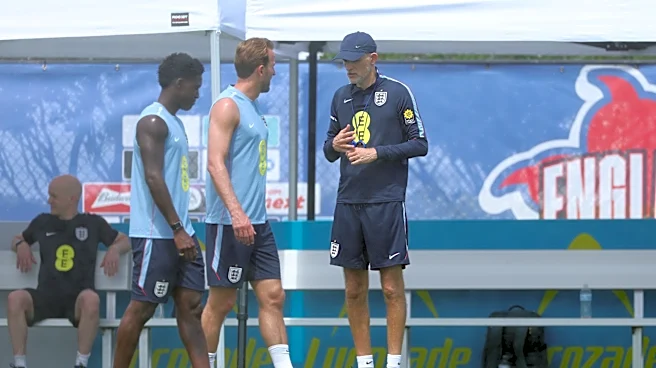
Thomas Tuchel’s England setup is a fascinating counterexample to the hyper-demanding role Bellingham often plays for Real Madrid. Tuchel has intentionally tried to make Bellingham play “economically,” limiting how much ground he must constantly cover.
Instead of dropping deep to orchestrate every phase, Bellingham operates primarily as a 10 behind Harry Kane. Declan Rice and England’s deeper midfield structure absorb more defensive responsibility, allowing Bellingham to preserve energy for decisive moments closer to goal.
The face of England’s future
England enter this World Cup with one of the best teams on paper, and Bellingham is a pillar of this star-studded roster.
He has already helped lead England to a European Championship final, and his combination with Harry Kane gives England one of the most dangerous attacking partnerships in international football. Kane’s tendency to drop deep meshes naturally with Bellingham’s ability to surge forward into space or operate between the lines. The two understand each other.
Bellingham, just 22 and with a whole international legacy in front of him, is built for tournament football. He thrives in chaos, wants the spotlight, and delivers in high-pressure moments.
If Tuchel successfully manages Bellingham’s workload and preserves his explosiveness deep into the tournament, England may finally have the complete midfielder capable of carrying them all the way.