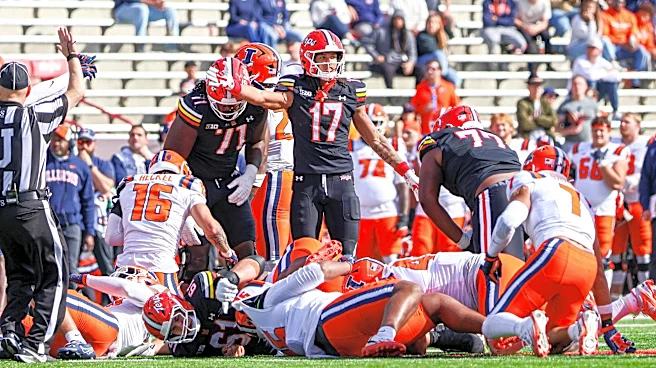

The Wisconsin Badgers fell in a 24-21 loss to the Maryland Terrapins on Saturday, falling to 6-4 as they suffered another disappointing loss.
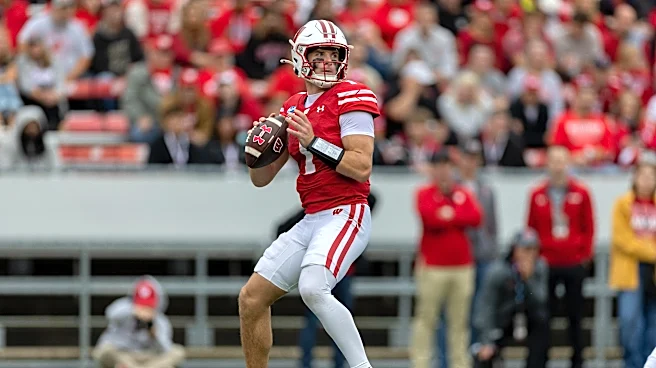
Things were trending up for the Wisconsin Badgers after their 31-10 win over the Rutgers Scarlet Knights last weekend, but the offense struggled mightily in true freshman Ryan Hopkins’s second start, and Wisconsin blew a fourth-quarter lead.
Here are three quick takeaways from the Badgers loss to Maryland on Saturday.
Running back rotation
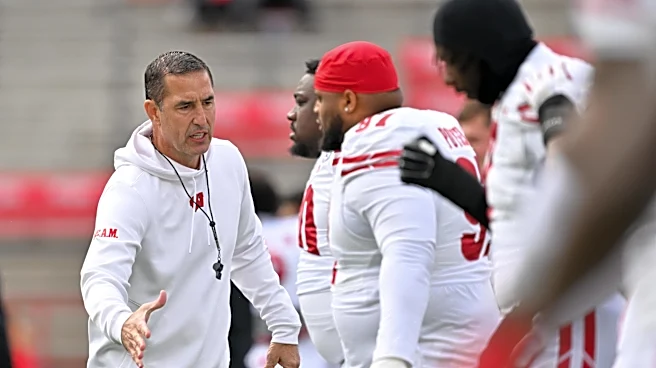
Earlier this week, head
coach Luke Fickell said he was challenging his staff to simplify things for the running back rotation, and he wanted to let players get a rhythm.
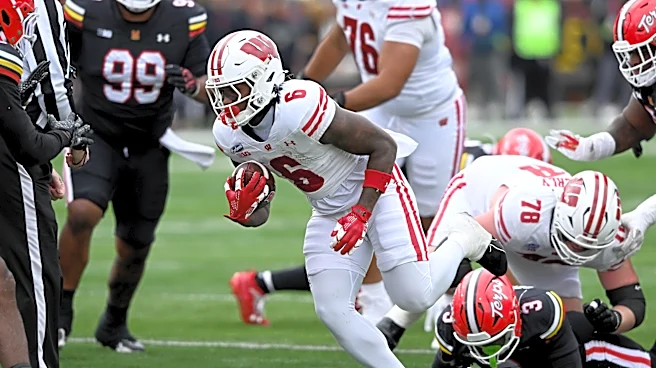
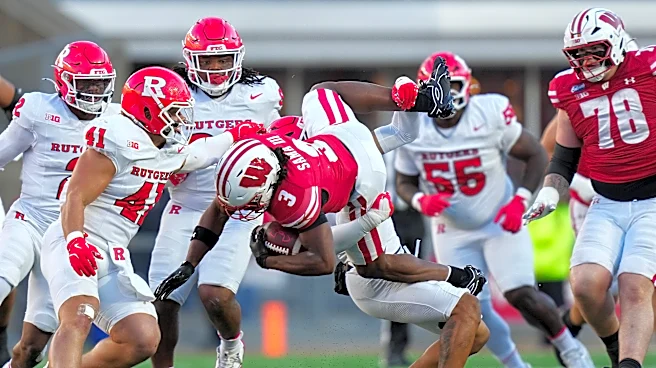
Well, Wisconsin made a complete shift once again, phasing out Abu Sama, while relying mainly on Darrion Dupree. Dupree had 14 carries for 57 yards and two touchdowns, while fumbling once as well. Bryan Jackson got a few carries as well, but couldn’t make much of it, going for one yard on four carries.
Wisconsin’s running back plan has been very questionable this year. The Badgers entered the year with Sama as the guy they wanted as their bell cow. But they really never gave him a shot at it after he struggled in the season opener. And throughout the year, they’ve really struggled to give any of their backs true runway.
Well, Sama was benched until the second quarter, when he ripped off an 18-yard run on his first carry. Wisconsin gave him one more carry and six more total snaps after that, as he played just seven snaps in the game.
Dupree got the lion’s share of work, and he had some good running, but it just feels like Wisconsin really hasn’t had a plan at running back. Even with Jackson, there have been short-distance situations where they haven’t gone to him.
Pass rush struggles
The loss of Sebastian Cheeks proved to be a huge deal, as Wisconsin couldn’t generate any pressure or affect the quarterback. Wisconsin dealt with the same issue against Iowa and UCLA, so it was disappointing for them not to be prepared enough against Maryland backup quarterback Cardell Williams, who completed 21 of 23 passes.
Williams was pressured on only five of his 24 dropbacks. Mike Tressel blitzed on only eight of the 24 dropbacks, electing to play a similar style of defense that ended up allowing Williams to be very comfortable in the pocket.
It was a similar strategy from an opposing offense: Maryland looked to get the ball out quickly and work in space. Williams had a whopping 2.1 second time to throw on the 19 dropbacks he wasn’t pressured on and just a 2.5 yard average depth of target.
Now, when an opposing game plan acts like that, it is certainly hard to get pressure on the quarterback. But Maryland still had a ton of key plays in the air offensively, which ended up being the way they moved the ball as Wisconsin’s defense stuffed the run again.
The Badgers defense played quite well on Saturday, especially given the injuries they dealt with. But the pass rush struggles were evident without Cheeks.
Offensive Line concerns
The Badgers continue to struggle blocking against the run. The Badgers averaged 3.8 yards per carry on Saturday and 3.1 yards after contact per rush. They could not get any traction on the line of scrimmage against a good Maryland defensive line, and that derailed their entire offensive game plan.
For years, Wisconsin has tried to be a physical team on the ground. But they’ve continued to have problems blocking against the run, even when pass-blocking has been a positive for the team. And that has gone against where the rest of the team’s strengths are.
Darrion Dupree averaged less than 0.2 yards before contact per rush. And Bryan Jackson averaged -0.95 yards before contact per rush. The biggest question about the run game remains the offensive line.