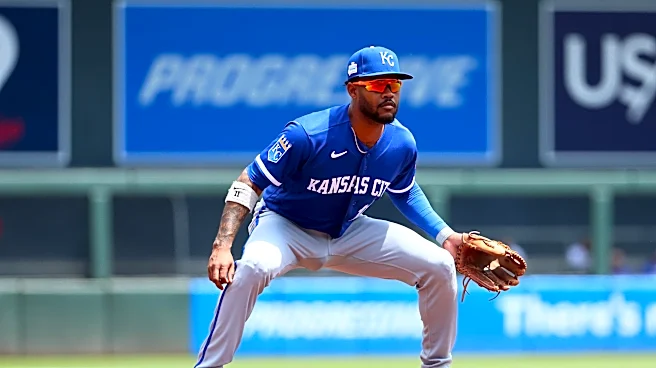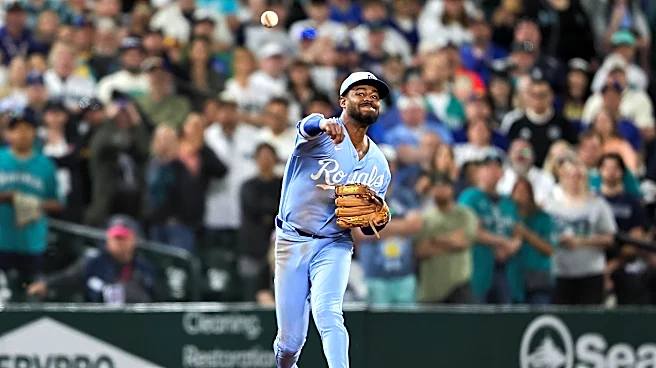

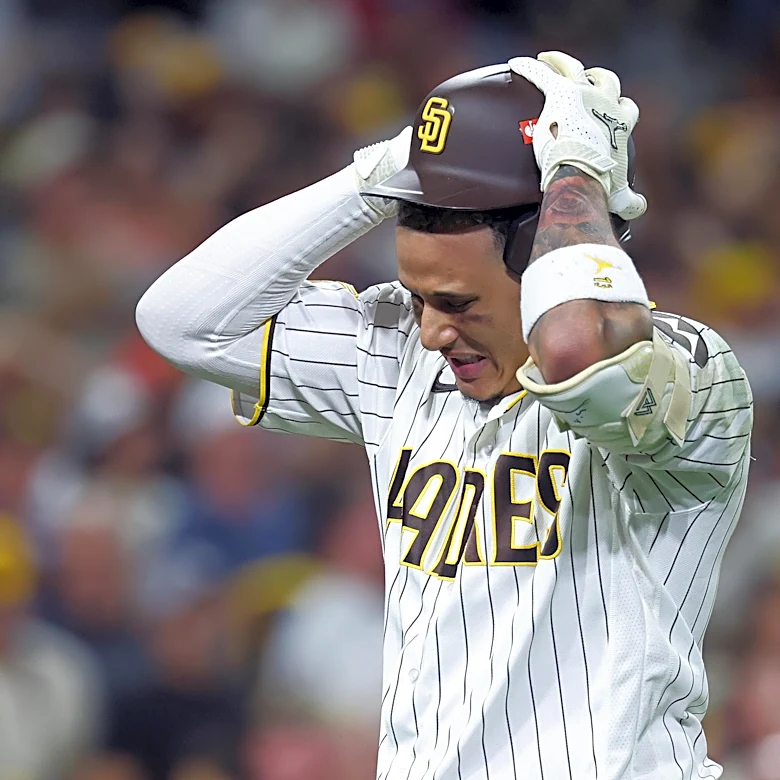
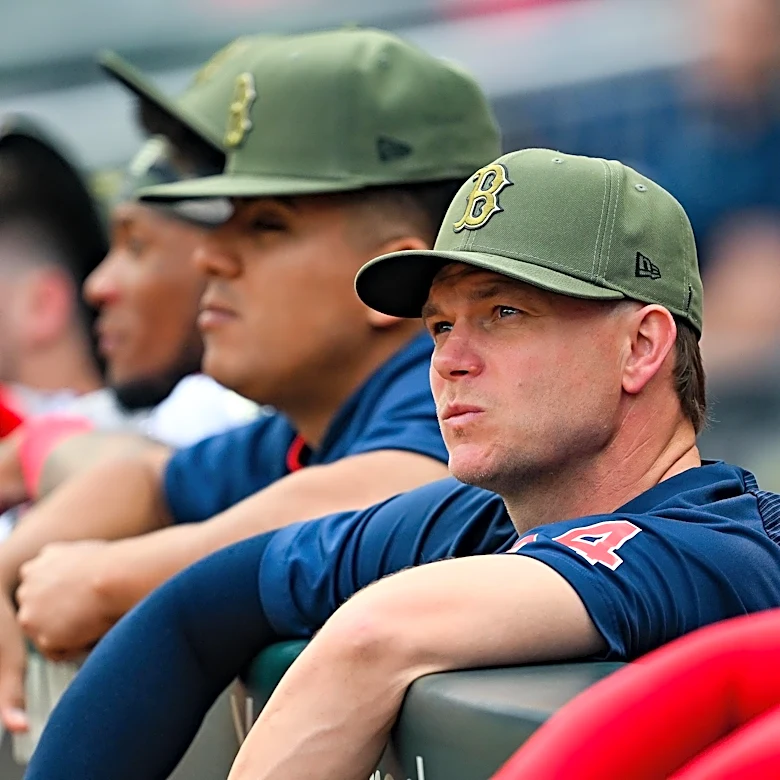
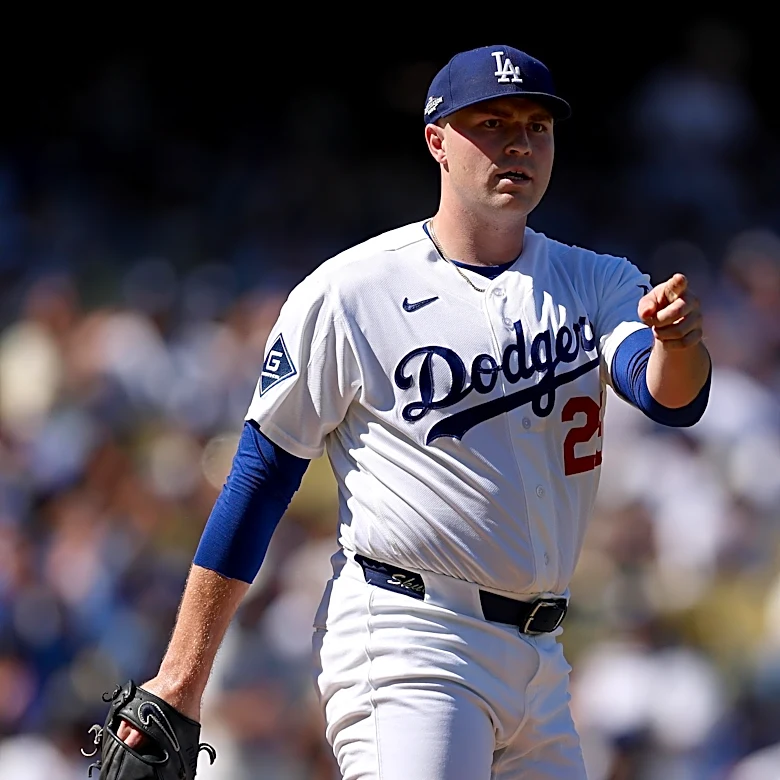
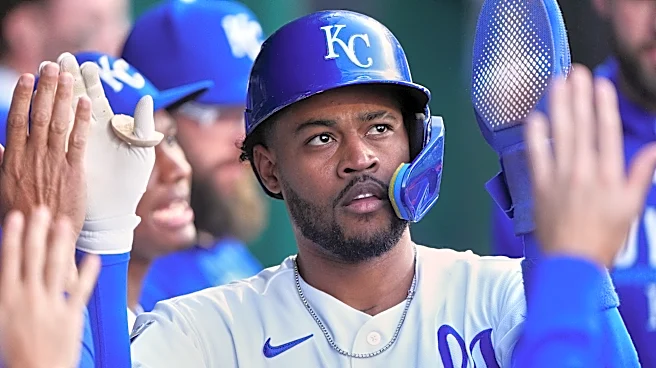
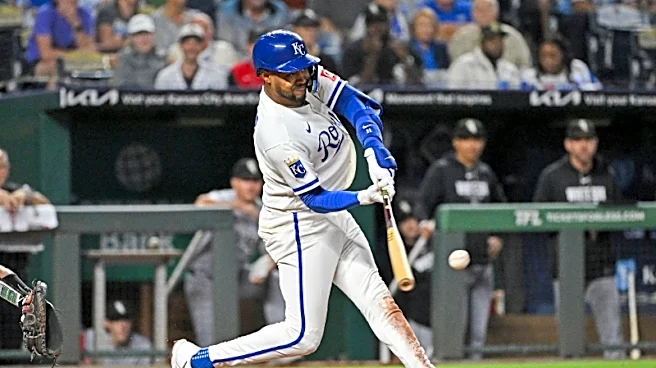
Yesterday, the Kansas City Royals engaged in a bit of surprising and eyebrow-raising offseason action, trading Maikel Garcia—alongside James McCarthur and minor leaguer L.P. Langevin, to the Seattle Mariners. In return, they received a trio of pitchers headlined by Bryce Miller and including Logan Evans and José Ferrer.
It would be accurate to call this a stunning trade. Prior to literally a few hours before the trade, nobody thought Garcia was on the trade block. And per general manager JJ Picollo,
Garcia wasn’t on the trade block. Rather, the trade was something that developed after the GM meetings a week ago, and it finally reached fruition:
“When you have a good player and he was willing to sign an extension with us last year, [trading him] is hard,” Picollo said. “It is a difficult thing to make that jump, but again, our job is to make our team as competitive as it can be.”
Picollo emphasized that the Royals were not actively looking to move Garcia.
“It wasn’t a move we felt like we needed to make,” Picollo said. “We felt like it could potentially be a move that makes our team better, and that’s what we think this did.”
This trade is as complicated to judge as a two-team trade can be. Six players were involved, of which four had injury-plagued 2026 seasons that limited their value. There are a lot of possibilities that could happen here, and with so many players poised to rebound or breakout the error bars around the value are particularly large. There’s also the matter of Seattle taking on $50 million in guaranteed money—not a huge amount by MLB standards, but definitely not nothing. Baseball Trade Values has one of the best publicly available surplus trade value calculation algorithms out there, and they think it was fair if an overpay by Seattle.
That is a totally reasonable take. It is also a reasonable take to side with the Seattle Mariners fans, who seem to be thrilled that they are getting a premium young player and seem to be willing to part with three flawed, more limited players. It depends on how good Garcia is, but of course it does. That’s how trades work.
But “fair” and “good” are two different words to describe the trade. I would easily call this a fair trade. However, I don’t think that I would call this a good trade. What is a good trade? We talk surplus value all the time, and that’s an aspect of it, but a good trade is ultimately a trade that helps you get to where you want to go. You can get fleeced in overall lifetime value but be happy if a trade nets you a trophy.
My issue with this trade is that it doesn’t pass that specific smell test: It doesn’t help the Royals get to where they’re going.
You can’t get to where you’re going without starting somewhere, and the Royals are starting way back in the pack. Look, the 2026 Royals were a disaster. They lost 93 games and were never once relevant in the division, going nine games under .500 barely three weeks into the season and 15 games under .500 by the end of May. They were bad at almost literally everything; they stunk at scoring runs (4.26 per game, 22nd in the league) and couldn’t pitch to save their lives (4.78 ERA, 27th in the league) and ran into outs on the basepaths like it was their job (56, 28th in the league).
At the end of the day, the one and only foolproof roster building strategy is to assemble a team that scores more runs than its opponents. There are a lot of tactics that you can employ: getting a great outfield defense and a bunch of fly ball pitchers, de-emphasizing defense while leaning on strong hitters and high-strikeout fireballers, and so on and so on. But one additional run scored counts just the same as one fewer run allowed.
I say all of this because the Royals aren’t in a position where they can afford how they are winning and losing. They just don’t have enough talent right now, period. I understand the drive to improve the pitching. But in improving the pitching, the Royals are sending away one of their most talented players in Garcia. The math doesn’t work, especially if Garcia puts up 5 or more Wins Above Replacement like he did in 2025. Miller, Evans, and Ferrera would have to be really, really good just to match that, and the Royals’ goal is to improve, not to tread water.
By trading Garcia, the Royals aren’t getting better. They’re getting different. Maybe different eventually could be better. Maybe the Royals have identified that they could get their free agent dollars to stretch further signing position players rather than pitching, and by trading Garcia they get their pitching without paying a free agent premium for it. Maybe Garcia wanted out. There are things that only the front office and coaching staff know, after all.
It’s just, man, I don’t see how this trade helps the Royals win more games next year. The Royals are now even weaker offensively and even more susceptible to left-handed pitching. They’ve got to address those problems now, too, and it’s not like they are clearing space for a hotshot third base prospect. It’s a vote of confidence in Nick Loftin, maybe? I dunno. The wheels just seem a little stuck in the mud.