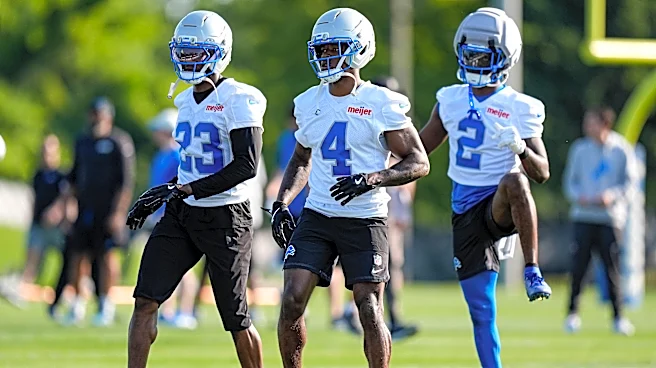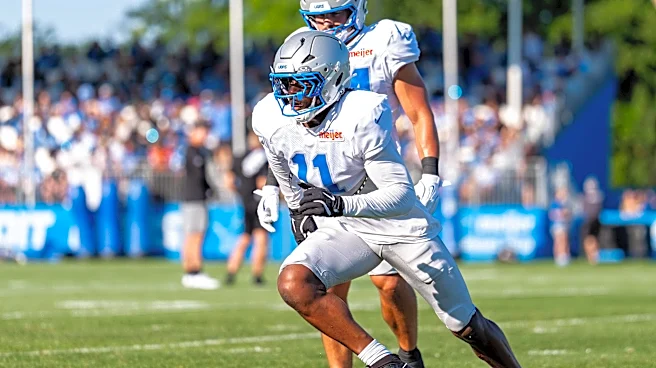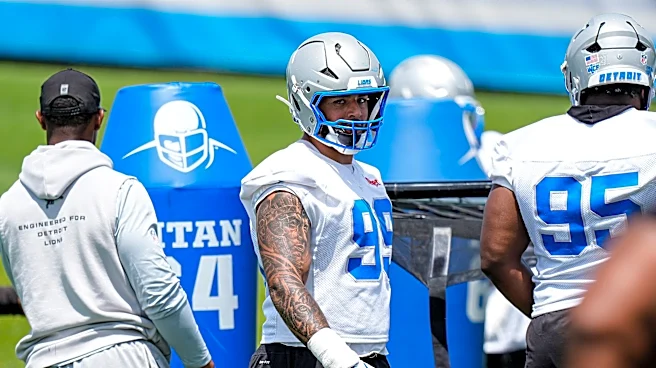



NFL roster cuts are right around the corner. By 6 p.m. ET on Sunday, Aug. 30, all teams must have their rosters reduced to the 53-man maximum. It’s a dark day in the NFL, and it involves some really tough decisions from front offices.
Player talent will drive most of those decisions, but there are also some very important NFL guidelines that will guide NFL general managers and coaches as they trim rosters to 53 players.
Here are four NFL rules you need to know, and how they may impact Detroit Lions
roster cuts this year.
Released vs. waived
When a player is cut, they are either “released” or “waived,” depending on how long they’ve been in the NFL. If a player has four accrued seasons in the NFL, they are released. If they haven’t been in the league that length of time, they get waived.
A player who is released has their contract fully terminated and is free to sign with any other team immediately. A player who is waived is subject to waivers, where any team can put in a claim for him. The team who puts in a claim with the highest waiver priority—set by the original 2026 NFL Draft order prior to trades—will be awarded the player and his current contract. If no team claims the player, they become an unrestricted free agent, free to sign anywhere.
What it means for the Lions:
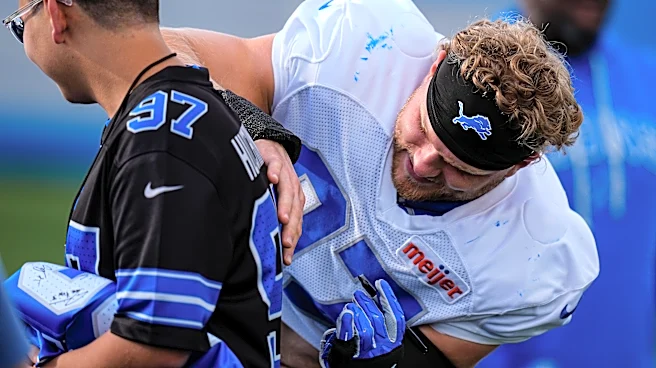
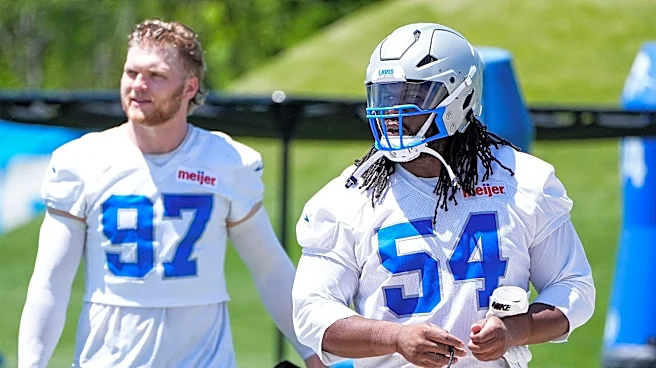
Oftentimes, we see teams release a veteran player with an understanding that they’ll sign back with the team vs. cutting a young player who will be subject to waivers. For example, if the Lions were concerned about losing UDFA linebacker Erick Hunter while on waivers, they may have him make the 53-man roster. They could, instead, choose to release a veteran linebacker like Joe Bachie, but let him know they intend to re-sign him at a later date. As long as the player agrees to come back—which is certainly not guaranteed—there would be no risk.
2 IR-to-return spots available PRIOR to cuts
If a player is placed on injured reserve right now, it means they are out for the year. The only way they could play again is if they are released with an injury settlement.
That puts a lot of teams in a bind right now, because they are currently rostering players who have longer-term injuries, but won’t be out for the season. Rather than release these players, they are waiting to put them on the “regular season” IR list, where players can return to action after four weeks.
Previously, these players would have to make the original 53-man roster, then be placed on IR, and backfill their roster spot. However, a few years ago, the NFL added a rule that lets teams place two players on IR on cutdown day and allows those players to return after a minimum of four games.
What it means for the Lions:
Cade Mays’ injury is expected to last at least another month, which means he will likely take up one of the two IR-to-return spots on cutdown day. Rookie linebacker Jimmy Rolder could be a second. Thanks to this new rule, neither Mays nor Rolder would have to make the original 53-man roster.
New practice rule for players on PUP
This year features a new rule that will very likely impact the Lions. Here’s the exact wording of the rule:
Permit players on Reserve/Physically Unable to Perform to begin a 21-day practice period after the club’s second game of the regular season.
To summarize, prior to this rule, players who enter the season on the Physically Unable to Perform (PUP) list would have to sit out the first four games of the regular season. That also means missing practices for those first four weeks.
However, under the new rule, while players on reserve/PUP still must miss the first four games, they can start practicing after just two weeks, enabling those players to have a ramp-up period and potentially putting them in position to actually play in the team’s fifth game.
What it means for the Lions:
Detroit currently has two players who may start the season on reserve/PUP: Brian Branch and Kerby Joseph. The Lions may opt to remove them from the PUP list prior to the regular season (and therefore take up spots on the 53-man roster) because it sounds like their timeline is very close to returning to practice by Week 1; there is now incentive to save those roster spots. It would likely take both players at least a few weeks of practice to be game-ready anyways, so even if they made the 53-man roster, they likely wouldn’t be ready to play until Week 3 or 4 at the earliest.
But with the new rule, Detroit can save two roster spots and still have Branch and Joseph ready by Week 5, if they’re physically good to go.
Veteran guaranteed salary
The “vested veteran” rule states that if a veteran player (four or more accrued seasons) is on the roster in Week 1, their salary becomes fully guaranteed. That has led some teams to circumvent that rule by releasing a player during roster cuts and signing them back to the roster in Week 2. It’s not the most player-friendly tactic, but for teams in financial strain, it’s a way to save a few bucks.
What this means for the Lions:
Obviously, the Lions will likely only do this in extreme cases. They have to be willing to be without that player for the opening week, and it wouldn’t be worth it if the player already has significant salary guarantees on the books. While I don’t think Detroit will go down this route, players that fall into those categories include Khalil Dorsey ($0 salary guarantees), Josh Dobbs ($375,000), Tom Kennedy ($0), Ben Stille ($0), Trevor Nowaske ($395,000).