


Floor generals and shooters provided flash, while power forwards added bruises, but the center position is the bedrock of Knicks history. To understand New York’s basketball DNA is to understand the titans who ruled MSG’s paint.
Historically, this is the deepest and most top-heavy group in the organization’s existence. Selecting four faces to represent the Knicks Center Mt. Rushmore requires navigating a field of statistical anomalies, transitional eras, and shifting tactical philosophies. Evaluating
the five-spot means balancing iconic moments and statistical peaks against modern offensive spacing and defensive architecture.
Two spots on the mountain are non-negotiable locks. Filling the remaining two spots, however, means making tough decisions.
Here is the definitive New York Knicks Center Mt. Rushmore.
Willis Reed
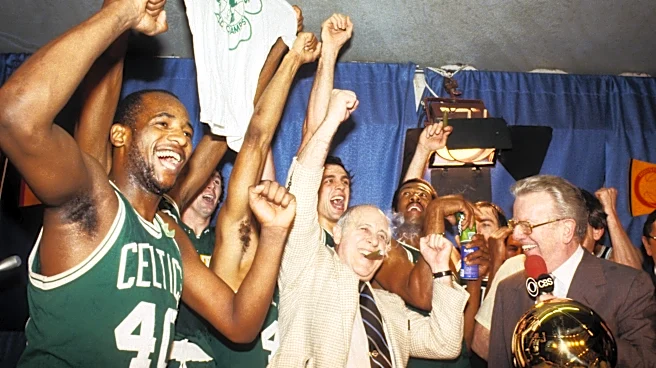
Willis Reed is the ultimate symbol of Knicks championship basketball. Even today, the image of him limping out of the tunnel for Game 7 of the 1970 Finals is still Madison Square Garden’s most iconic moment. It set the emotional standard by which all future New York big men are measured.
Beyond that legendary game, Reed was a complete force to be reckoned with. He captured two NBA Championships in ’70 and ’73, took home Finals MVP both times, and won league MVP in 1969-70. An elite two-way anchor, Reed set highly effective screens, freeing up guards like Walt Frazier and Earl Monroe. He also had a reliable mid-range shot that fit perfectly with Red Holzman’s motion offense. The first face on our mountain, Reed established the standard for winning basketball in New York.
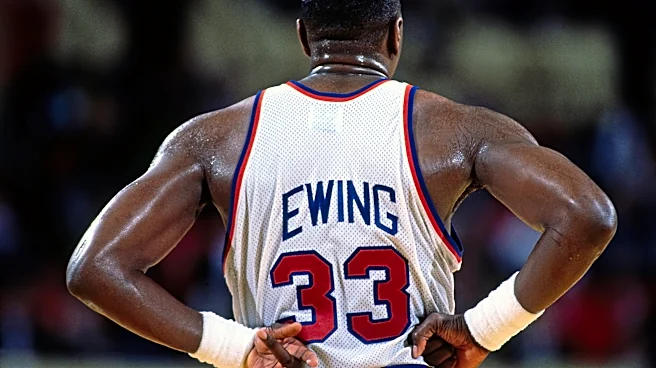
Patrick Ewing
Patrick Ewing is the heart and soul of modern Knicks history. Even without a championship to his name, he single-handedly kept the franchise in the title conversation for over a decade, during the most physically punishing era of big-man basketball.
Ewing’s statistical dominance is incredible. He remains the team’s all-time leader in points, rebounds, blocks, and games played, and he earned 11 All-Star bids. Offensively, he was a dominant low-post scorer with a baseline fadeaway that served as the Knicks’ primary safety valve. On defense, Ewing was an intimidating rim protector, carrying a large two-way workload each game. Statistically, Ewing is the undisputed GOAT of the franchise, making his place on the mountain unquestionable.
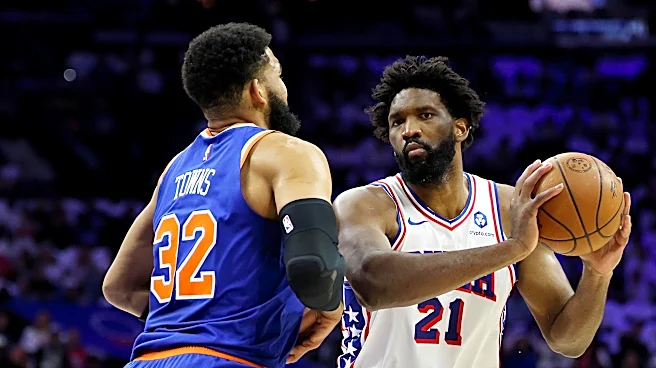
Karl-Anthony Towns
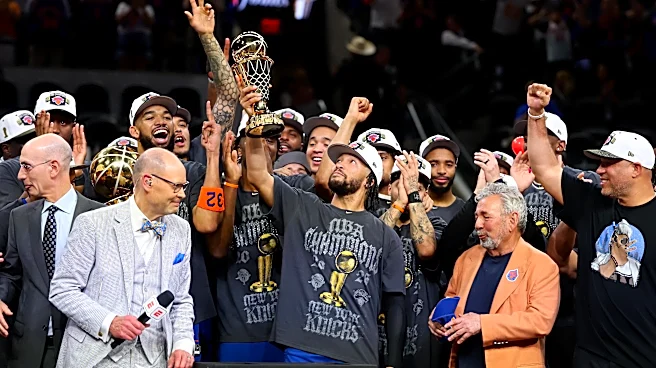
Individual numbers carry a lot of weight. However, altering the floor spacing to secure an NBA Championship also cements a legacy forever. Acquiring Karl-Anthony Towns completely changed how New York’s offense operated, providing the spacing needed to crown the Knicks champions again after 53 years.
Town represents the peak of modern offensive versatility at center. Serving as an elite perimeter threat, he forces opposing rim protectors out of the paint. This shift opened driving lanes that didn’t exist before, allowing Jalen Brunson to play at an MVP level within Mike Brown’s system. Delivering the vital offensive advantage needed to break a half-century drought, Towns firmly earns the third spot on our mountain.
Tyson Chandler
Okay, I assume this is where I start getting yelled at.
While Towns represents the best of offensive spacing, Tyson Chandler represents the ultimate defensive anchor. When he arrived, Chandler instantly transformed a weak defense into a top-tier unit. His immediate impact earned him the 2011-12 NBA Defensive Player of the Year award, making him the only player in Knicks’ history to win that particular hardware.
The vocal engine behind a team that won 54 games, Chandler provided elite pick-and-roll rim-running, stretched the floor offensively, and stopped drives on the other end. Establishing an accountability culture missing for over a decade, he proved that an elite center can completely overhaul a team’s identity without demanding a ton of shots. His individual hardware and cultural impact provide him with the final spot on Mt. Rushmore.
The Snubs
With the top four set, it is important to look at the fierce battle for those final spots and explain why certain statistical titans and fan favorites missed the cut. Putting up massive numbers on average teams or providing specialized skills does not automatically give you franchise immortality.
If the criteria relied strictly on stats, both Bob McAdoo and Walt Bellamy would demand consideration. Acquired mid-season in ’76, McAdoo spent parts of three seasons with the Knicks, averaging 26.5 points and 12.8 rebounds during the 1977-78 season. With an outside jumper difficult to block, he was a matchup nightmare long before the stretch-five became a household identifier. Similarly, Bellamy spent roughly three and a half seasons as New York’s workhorse, averaging 18.9 and 13.3 rebounds per game in the mid-60s. Unfortunately, both players produced at these high levels during non-contending eras. McAdoo’s perimeter-oriented game resulted in big numbers but lacked meaningful playoff success. Bellamy was highly efficient, but his most significant contribution to New York’s championship pedigree was being traded for Dave DeBusschere. That move balanced the defense and sparked the 1970 title run.
Then you have one of the most underrated offensive centers in franchise history, Bill Cartwright. Drafted third overall in ’79, he immediately earned an All-Star spot as a rookie, averaging 21.7 points and 8.9 rebounds. He possessed great footwork, an effective turnaround jumper, and elite free-throw shooting. Unfortunately, severe foot injuries ruined a majority of his prime in the mid-80s. By the time he became healthy again, the franchise had fully moved into the Ewing era. Cartwright then moved into a secondary role before being used as the primary trade chip for Charles Oakley.
On defense, Marcus Camby provided elite, specialized skills. With high-energy, elite shot-blocking, he was a key member of the miraculous run to the NBA Finals. He covered a ton of ground and blocked shots from every spot on the court, fitting perfectly into the identity of the late 90s. Unfortunately, his offensive limitations and frequent injury struggles keep him off the mountain.
The New York Knicks Center Mt. Rushmore features Willis Reed, Patrick Ewing, Karl-Anthony Towns, and Tyson Chandler. This group perfectly captures the heart, statistical dominance, defensive grit, and modern championship spacing that define the best of Knicks basketball.