
The final run of our AI research assistant to determine the players in the 2026 NFL Draft that fit the Sean Payton and George Paton draft tendencies has been completed for this year. I think next year, I have several massive improvements I’ll make with the extra time. My hope is to just nail down who the Denver Broncos are likely interested in regardless of round, roster makeup, or draft capital. Lessons learned will be applied for 2027.
That said, I feel pretty good about the list we were able to
come up with using and applying the Payton/Paton Fit Score (PPFS) methodology to this years’ draft prospects.
We will start with offensive players highlighting only those players who surpassed a 79 PPFS score. Anyone who scored below that will not be included here.
Broncos Big Board: Top Offensive Fits
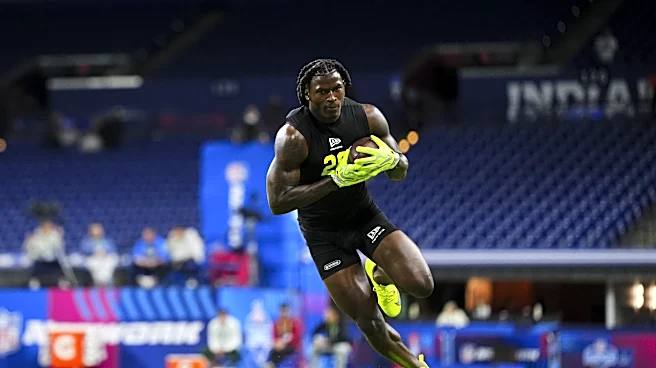
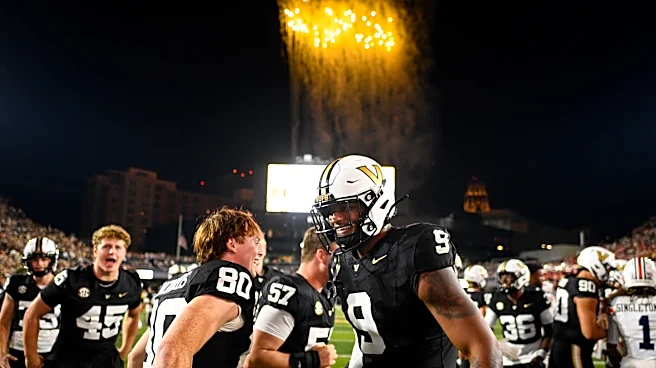
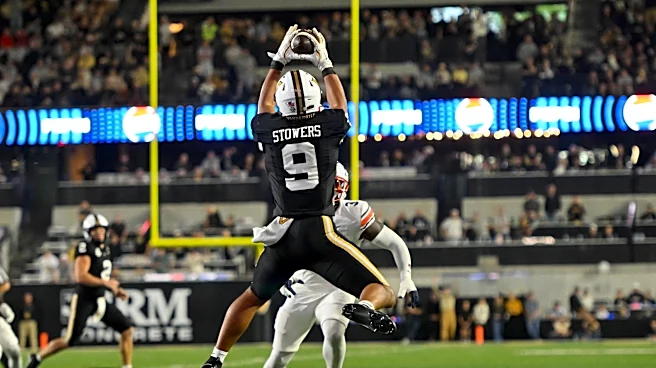
Eli Stowers, TE, Vanderbilt, 2nd-3rd, (Tier 1, PPFS ~90)
The Mackey Award winner and Vanderbilt captain ran 4.51 with a 45.5″ vertical and dropped passes on 3.9% of targets — a QB convert with elite athleticism and seam-stretching juice. Stowers is a markedly younger, more dynamic Engram successor with room to grow into Y-plus blocking reps. Denver’s tight-end room has no true three-down body; Stowers becomes one on day one.
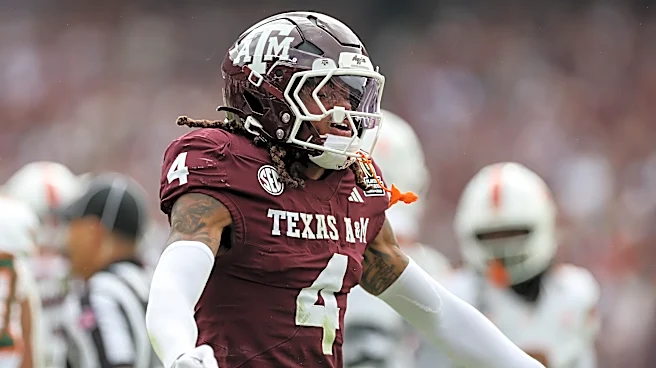
Chase Bisontis, OG, Texas A&M, 1st-2nd (#34 OVR), (Tier 1, PPFS ~89)
Texas A&M’s 6’5″/315 tweener logged 22 career LG starts and 12 more at RT, squats 705, and idolizes Quenton Nelson. The violent first punch, sticky inside hands, and proven positional flex check every Payton Day-2 OL box. With Powers walking after 2026, Bisontis is the cleanest top-50 answer to the LG succession question at R2 #62 — and the only prospect on the board who checks both the LG and the position-versatility marks.
Mike Washington Jr., RB, Arkansas, 3rd, (Tier 1, PPFS ~89)
A 6’1″/223 Arkansas bruiser with class-best 4.33 speed and real SEC production, Washington is the antidote to Denver’s undersized backfield. His between-the-tackles physicality fills the power lane as Dobbins insurance and a Harvey complement — the archetype Payton and Paton have never had on the roster. Senior Bowl attendee with the quiet-worker profile this front office consistently rewards.
Kenyon Sadiq, TE, Oregon, 1st-2nd, (Tier 1, PPFS ~88)
A Vernon Davis-type mismatch at Oregon with 4.39 speed, action-figure build, and 488 career special-teams snaps on top of Y/slot receiving value. Sadiq is the closest thing in the class to a true three-down Y-plus tight end — the single biggest personnel gap in Denver’s offensive room. Oregon pipeline connection adds another modifier to an already clean profile.
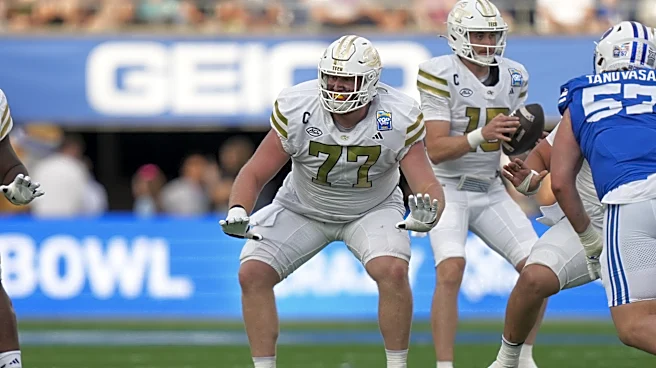
Keylan Rutledge, OG, Georgia Tech, 2nd-3rd, (Tier 1, PPFS ~88)
Georgia Tech’s 6’4″/316 two-time All-American and team captain is literally described by Brugler as ‘models his finishing toughness after Quinn Meinerz.’ With Powers walking, Rutledge next to Meinerz gives Denver two mauler bookends inside. Senior Bowl invite, 33 career starts, and an isolated 2023 foot injury that healed cleanly — the Meinerz template, right down to the fiery pull game.
Kaytron Allen, RB, Penn State, 4th, (Tier 1, PPFS ~87)
Penn State’s 5’11″/216 four-year starter holds the school rushing record with 4,000+ career yards, missed zero games, and validated at the Senior Bowl with proven pass-protection chops. Allen is the between-the-tackles workload back who absorbs 12-15 carries to keep Dobbins fresh without duplicating Harvey’s change-of-pace role. Exactly the three-down complement Payton’s scheme demands.
Malachi Fields, WR, Notre Dame, 2nd-3rd, (Tier 1, PPFS ~86)
Notre Dame’s 6’4″/218 captain with a Michael Pittman Jr. comp is the cleanest true X-body who projects anywhere near Denver’s R2 #62. Plays through contact at the catch point, wins contested balls at a high clip, and brings the blue-collar X traits Payton has historically rewarded. With Sutton at 30 and no cap guarantees past 2026, the Pittman-style succession profile is the single most defensible WR target in the second round.
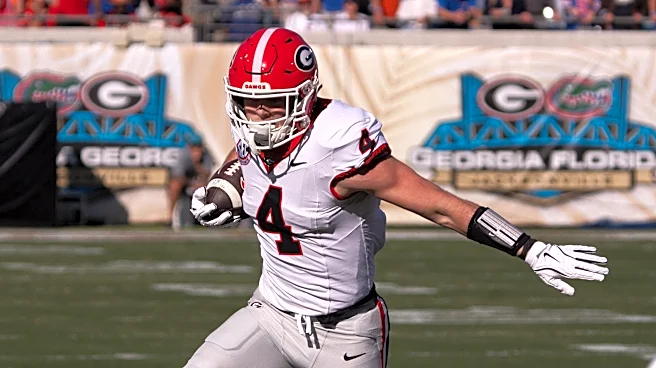
Oscar Delp, TE, Georgia, 3rd, (Tier 1, PPFS ~86)
A three-year Kirby Smart starter across the Brock Bowers rotation, Delp is a physical C-gap blocker with above-average speed who played through a foot fracture without complaint. Scouts note ‘better pro than college player’ with Y-plus flashes. Fills the three-down Y-plus gap with the SEC bluechip pedigree Paton rewards, and the blocking physicality differentiates him from the Engram mold.
Austin Barber, OT, Florida, 3rd-4th, (Tier 1, PPFS ~85)
Florida’s 6’7″/318 four-time SEC academic honor roll selection took less NIL money to stay in Gainesville — the gritty, team-first profile Paton has historically targeted. With 33 3/4″ arms and 39 career starts at both tackle spots, Barber plays with controlled hands, a strong anchor, and polished pass-set technique. Confirmed Broncos pre-draft visit. The swing-tackle archetype fits the outside-zone scheme and addresses both the Bolles long-term lane and the McGlinchey medium-term one.
J. Michael Sturdivant, WR, Florida, 6th, (Tier 1, PPFS ~85)
Florida’s 6’3″/207 vertical X-body ran a 4.40 and carries a Broncos legacy bloodline — the great-nephew of Ring of Fame legend Floyd Little. Plays with a vertical-stretch mindset and showed in 2025 he’d do the dirty work on teams. Production never matched the tools, but frame, long speed, organizational narrative, ST contribution, and a late-round price tag make him the cleanest Day-3 X-insurance on the board.
Josh Cameron, WR, Baylor, 6th, (Tier 1, PPFS ~84)
Baylor’s 6’2″/220 former walk-on, captain, and Freaks-List strength standout offers real possession-X traits: size, punch, catch-point strength, and an uncompromising work ethic Paton has prioritized for years. Took legitimate punt-return reps and contributed on core ST, giving him Day-3 position-blurring flex. Modest long speed caps the ceiling, but the Sutton-insurance archetype hits on every axis except top-end speed.
Billy Schrauth, OG, Notre Dame, 3rd-4th, (Tier 2, PPFS ~83)
Notre Dame’s 6’5″/310 captain with 32 7/8″ arms has 16 LG and 6 RG career starts plus 2024 Second Team All-American honors. Brugler’s ‘Wyatt Teller vibes’ comp and a blue-collar Wisconsin upbringing make him a natural locker-room fit. Plays with nasty second-level finish. An LG-primary captain at Day-2/3 capital is exactly the Powers succession answer — two cleared structural injuries are the only thing separating him from bullseye status.
Carnell Tate, WR, Ohio State, 1st, (Tier 2, PPFS ~82)
Ohio State’s 6’2″/192 Z/flanker with elite hands and a fluid route tree projects as a top-20 talent in most public rankings. Ohio State is the single strongest school pipeline in the Paton draft history, and Payton’s appetite for WR talent has driven premium picks across his career. Pipeline plus clean character plus a skill set that complements Sutton on the outside — capital access is the only gate, not fit.
Isaiah World, OT, Oregon, 5th-6th, (Tier 2, PPFS ~82)
A 6’6″/323 sixth-year senior with 34 1/2″ arms and 49 career starts at both tackle spots, four years at Nevada before Oregon. Controlled long-levered pass-protector with patience in his sets and the foot quickness the outside-zone scheme rewards. Oregon pipeline tie is real. January 2026 ACL surgery likely costs the rookie year — he projects as a 2027 LT successor-in-waiting behind Bolles.
Max Iheanachor, OT, Arizona State, 1st-2nd, (Tier 2, PPFS ~82)
Arizona State’s 6’6″/321 ascending P4 tackle has 33 7/8″ arms, 31 career starts at right tackle, a Senior Bowl standout performance, and a confirmed Broncos pre-draft visit. Draws Penei Sewell developmental-template comps. Strong base, mature hands, emerging anchor against power. Captain-adjacent leadership reviews plus a big upside arrow make him a long-armed RT successor candidate behind McGlinchey — a realistic R2 #62 target.
Denzel Boston, WR, Washington, 1st-2nd, (Tier 2, PPFS ~81)
Washington’s 6’4″/212 captain with a Jayden Higgins comp is a true possession-X body — one of the few prospects in the class who can genuinely replace Sutton’s role. Strong catch-point, credible blocker, captain-character profile. Pat Bryant sits ahead on the 2025 chart, but with Sutton’s 2027 cap cliff visible and Payton’s history of stacking X bodies, the room can absorb him. Second-most defensible R2 #62 WR after Fields.
Travis Burke, OT, Memphis, 3rd, (Tier 2, PPFS ~81)
A 6’9″/325 Memphis tackle with elite 35 1/8″ arms and 46 career starts at both tackle spots — a max-experience production stack on a frame that maps directly to the McGlinchey/Crum/Peart depth-chart template. G5 path through three schools, a late lower-body injury cost his Shrine reps. Height, length, and proven positional versatility make him an ideal outside-zone fit with among the highest developmental ceilings on the OT board.
Blake Miller, OT, Clemson, 1st-2nd, (Tier 2, PPFS ~80)
Clemson’s 6’7″/317 captain has 34 3/8″ arms and 54 consecutive career starts — the most career starts on the entire OT board. P4 ACC tape, mature pass-pro technique, high-floor durability Denver values for a long-term RT successor behind McGlinchey. Declined Senior Bowl is the lone negative signal, and the R1-R2 grade may push him outside realistic capital, but the stack is among the most polished profiles in the class.
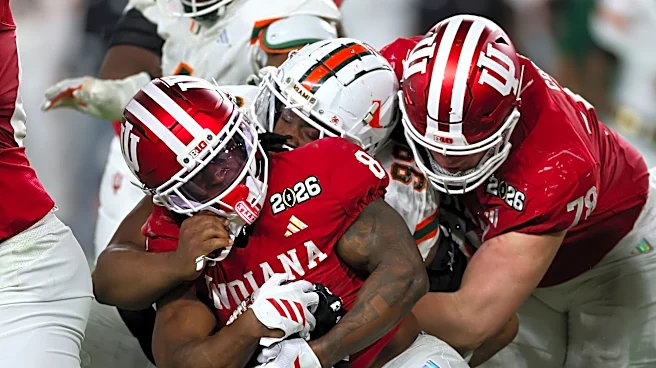
Elijah Sarratt, WR, Indiana, 2nd-3rd, (Tier 2, PPFS ~80)
Indiana’s 6’2″/207 captain has 44 career touchdowns and a legitimate X-body build. Catches the ball away from his frame, plays hard at the line of scrimmage, and carries the captain intangibles Paton rewards. Denver doesn’t hold an original R3, but an X-body with captain credentials and SEC/Big Ten production is exactly the developmental body the room needs behind Sutton and Bryant.
Evan Beerntsen, OG, Northwestern, 5th-6th, (Tier 2, PPFS ~80)
A Northwestern FCS-to-P4 guard with 55 career starts (98.3% RG), back-to-back FCS national titles, 2024 SDSU First-Team All-American honors, and a Shrine Bowl invite — literally the Meinerz template, right down to the FCS-to-pro path. Short arms, a 26-year-old rookie age, and a torn labrum are real caps, but the production volume and small-school overachiever profile match the exact path Denver used to find their All-Pro RG.
Gennings Dunker, OG, Iowa, 3rd (#71 OVR), (Tier 2, PPFS ~80)
Iowa’s 6’5″/319 lineman has 33 1/2″ arms, 38 career starts (37 RT / 1 RG), the 2025 Iowa Joe Moore OL designation, 2025 Third Team All-Big Ten, a Senior Bowl invite, and a ‘Paul Bunyan’ mauler reputation that hits Paton’s intangibles dial. The RT-to-OG kick-in flex fits the LG succession lane cleanly, and the Iowa OL development pipeline is exactly the kind of source Denver’s board rewards.
Jude Bowry, OT, Boston College, 4th-5th, (Tier 2, PPFS ~80)
Boston College’s 6’5″/314 P4 ACC tackle has legit 34″ arms, 2025 captain designation, Freaks-List alum status, and a confirmed Broncos pre-draft visit. Played both tackle spots and runs hot on tape. Only 23 career starts and a 2025 hip-flexor cap the production, but the captain-plus-long-arms-plus-visit-plus-Day-3-grade combo is exactly the swing-tackle developmental lane this regime has quietly built through late-round picks.
Logan Taylor, OG, Boston College, 4th, (Tier 2, PPFS ~80)
Boston College’s 6’7″/314 captain has 33 7/8″ arms, an 82 5/8″ wingspan, and 46 career starts spread across LT (25), LG (11), RG (8), and RT (2) — literally the definition of an OG/OT tweener. ‘Alpha’ personality with a Brandon Linder comp. The longest-framed, most-flexible profile in the class. A 2021 hip surgery caps the starter ceiling, but the position flex, captain tag, and length make him a Day-3 bullseye for the Powers lane.
Sam Roush, TE, Stanford, 3rd-4th, (Tier 2, PPFS ~80)
Stanford’s three-year Y starter carries a 3.8 STEM GPA, ran every combine drill, logged 529 ST snaps, and brings rugby-bred toughness. Forty-nine catches for 545 yards give soft Y-plus upside in a complementary blocker-plus lane. The character and ST investment match the Payton/Paton mold precisely for a Day-2/3 swing.
Bryce Lance, WR, NDSU, 3rd-4th, (Tier 2, PPFS ~79)
An NDSU 6’3″/204 contested-catch X with captain designation and NFL bloodlines. Plays the X role the way Payton wants it played — physical at the line, late hands at the catch point, willing blocker in the run game. FCS level-of-competition is the primary drag, but the frame, character, and projected Day-2/3 cost make him a defensible true-X succession bet at R4 where Denver holds two picks.
Caleb Tiernan, OT, Northwestern, 2nd-3rd, (Tier 2, PPFS ~79)
Northwestern’s 6’8″/323 P4 Big Ten LT has 44 career starts (43 straight at LT), four-time Academic All-Big Ten honors, a 2025 captain designation, and a confirmed Broncos pre-draft visit. Off-the-charts character and leadership — exactly the locker-room presence Paton historically rewards. The 32 3/8″ arms are short for Denver’s preferred archetype, but the height, durability, captain bonus, and visit interest make him a serious target if the front office deems arm length negotiable.
Jalen Farmer, OG, Kentucky, 3rd-4th, (Tier 2, PPFS ~79)
Kentucky’s 6’5″/312 pure-RG mauler has 34 1/4″ arms, 24 career starts at RG (100%), a four-game captain designation, and a late Senior Bowl invite. Pure smash-mouth gap-scheme profile with long arms and P4 SEC tape. Production volume is thin, but the long arms, Senior Bowl bonus, captain credit, and the exact bowling-ball RG body Denver loves slot cleanly into Day-2 capital as a Meinerz-archetype interior mauler.
Kaden Wetjen, WR, Iowa, 6th, (Tier 2, PPFS ~79)
Iowa’s 5’9″/193 slot and return specialist is a two-time Jet Award winner with six career return touchdowns and a captain in Iowa’s demanding culture. Physical, sure-handed, high-IQ style that shows up on third down and on teams. With Mims in his contract year, Wetjen’s elite ST value plus slot ability plus Payton-friendly intangibles is the clean late-round return-game succession plan.
Monroe Freeling, OT, Georgia, 1st-2nd, (Tier 2, PPFS ~79)
Georgia’s 6’7″/315 P4 SEC bluechip has elite 34 3/4″ arms and a Kolton Miller comp — one of the cleanest height-plus-length archetype matches on the board. Only 18 career starts cap the production score, and a 2024 shoulder surgery is fully cleared. Exactly the long-armed P4 LT successor type Denver has chased behind Bolles, but the R1-R2 grade collides with Denver’s #62 capital reality.
Note: Prospects scored against the empirically-derived Payton/Paton Fit Score (PPFS) rubric. Tier 1 (A, Bullseye: 85-100) and Tier 2 (B, Strong Fit: 75-84) prospects shown in full. Tier 3-4 listed at end of each section. All descriptions of prospects are AI generated as part of its reasoning and ranking. Round projections based of Dane Brugler’s The Beast draft board.
PPFS (Payton/Paton Fit Score) Methodology
What it is: An empirically-derived scoring system that measures how well 2026 draft prospects align with the historical drafting patterns of Sean Payton and George Paton.
6-Step Process:
- Catalog historical drafts: 7 draft classes (2020-2025) analyzed. Joint Payton/Paton Broncos picks (2023-2025) weighted 3x; individual pre-partnership classes weighted 1x.
- Research player profiles: Pull pre-draft scouting reports for every historical pick to capture what scouts said at draft time.
- Extract tendencies across 8 dimensions:
- Physical thresholds (size per position)
- Athletic testing (40, 3-cone, broad jump, etc.)
- Production profile (starts, snaps, PFF grades, dominator rating)
- School/conference preferences
- Experience level (age, years starting)
- Injury history
- Character profile (captains, culture fit)
- Archetype tells (position-specific patterns)
- Derive the rubric from the data: Weights come from what Payton/Paton actually picked, not assumed importance.
- Score 2026 prospects against the position-specific rubric (0-100 scale).
- Group into tiers: Tier 1 through Tier 4 based on PPFS scores.
Two key refinements:
- Role-based assessment: Prospects scored by projected NFL role, not just raw position (e.g., situational pass-rusher vs. base-end)
- Medical sliding scale: Graduated injury severity rather than binary injured/healthy Important distinction: PPFS measures organizational fit, not absolute player quality. A great player can score low if they don’t match Payton/Paton’s documented patterns.
Roster Analysis in the PPFS Pipeline
The roster analysis sits between the historical tendency extraction (Steps 1-3) and the scoring rubric (Steps 4-5). It answers: “Given what Payton/Paton like, what does this team actually need right now?”
What it does:
- Breaks down each position group’s current players, ages, contracts, archetypes, and injury status
- Identifies complementary gaps (what’s missing) and duplication risks (what they already have)
- Assigns draft urgency per position (HIGH, MODERATE, LOW)
How it modifies scoring (two mechanisms):
- Roster Complementary Fit dimension: A 0-10 scoring dimension where:
- Prospect hits a proven archetype lane AND fills a roster gap = 10 pts
- Hits a proven lane but roster-neutral = 6 pts
- Off-type but fills a gap = 5 pts
- Off-type and roster-neutral = 3 pts
- Modifiers:
- +3 bonus for filling an explicit complementary gap (e.g., complementary power RB next to Harvey’s speed)
- Graduated duplicate penalties based on how entrenched the existing player is (e.g., drafting another speed scatback when you have three = penalty)