

1) NFL Draft Coverage Booms
With the immense popularity of the NFL, it’s fascinating to see the coverage of the NFL Draft grow, even in the last decade. I watched the first two nights on the NFL Network, waiting for the Bears to make their picks so that I could record a quick hitter for our podcast channel. I walked around the house with my phone streaming the draft, making dinner with my wife while listening. We watched an alternate stream on NFL Network I get for free on my TV while we ate. My wife laughed several times at terms
she thought were funny – “fluid hips,” “high motor,” and “dancing bear” – the scouting jargon that fills our timelines in the winter months.
On Day 3, I went to a friend’s house, and he was watching two guys sit on a couch talking through every pick that was made, giving it an instant grade and talking about the fit, the value, etc.
I asked if he was streaming this on YouTube, and he said, “No, this is HBO.” Wait – HBO? I know these two guys – we had Trevor Sikkema on our podcast a few years ago. No longer was I watching the NFL Draft exclusively on ESPN as a one-day affair, like it was when I would binge-watch it as a kid growing up. Like many things in modern media, there are many options for the consumer. (Good for Trevor, by the way, he was great and fun to watch.)
2) Consensus board vs Bears board
Then we get into the idea of draft risers and fallers, reaches and value picks, and, yes, the all-powerful Consensus Draft Board! It seems to me that in popularizing an aspect of the NFL calendar to be an event, one that saturates the timeline for the months leading up to and following the draft, we failed to communicate how to consume this information.
First, scouting is not an exact science. Some of the best prospects to come out of college fail at the professional level and lower ranked prospects can succeed. All good scouts know this and will say as much. Second, fit is incredibly important. Trevor Sikkema made the point about Logan Jones, the Bears’ second-round selection, that the pick might be considered a reach just looking at his big board, but if he were building a Bears board, he’d have Jones much higher and loved the pick for Jones and the Bears. Third, we as the public have access to one third of the puzzle pieces, specifically the collegiate tape and, if we’re lucky, athletic testing numbers. We don’t get to sit in on the team interviews and we don’t get to know the full extent of a player’s current and past injury history.
All of those elements go into the scouting process and as good as many of these media scouts are (and some of them are extremely good), they are still limited to a portion of the information NFL teams have and how they process that information. That is not to say that NFL teams make good decisions on all of their picks – that much is obvious by how many players don’t work out – or that they shouldn’t be questioned when they do something head scratching, but we all have to realize they have an enormous amount of information relative to the rest of us.
A few years ago, I helped brainstorm an idea for building a Bears-specific board, which would inevitably take a shape much different than the consensus board because it would try to emphasize scheme fit and, as much as we could discern, physical and personality attributes preferred by the Bears coaching staff. The end result of a board like that would be good to compare against the Bears’ actual choices after the fact. (The project did evolve and has capable Bears content creators working on it, it’s just not on our site any longer.)
This is why I personally don’t get too worked up about the difference between where the Bears selected a player and where they were on the Consensus Board, positive or negative. The Consensus Board is just what it sounds like, an average of big boards put together by media scouts that pass a bar of demonstrated ability and credibility. From a functional standpoint, everyone makes their boards based on a whole-league average (with a healthy dose of their own biases), meaning there really isn’t much thought given to the specific fit of team/player. There’s also a ranking of 1-XXX, meaning they are going to rank players starting from their top player on the board and go all the way until they get to a specific number like 300 or 500, etc.
The problem is that there’s an enormous difference between the value of the say, 10th best player on your board and your 50th best player (40 pick difference) and almost no difference between your 210th and 250th best player (same 40 pick difference). Pick evaluations, at a minimum, should consider the higher value of the draft capital used, amplifying the importance of the pick. This much should be obvious as returning expected value on a first round pick is much more important than returning expected value on a fifth rounder. Ideally, a big board would be stacked in tiers, with the differences within a tier much less important than those between them.
3) What was the shape of the 2026 Draft?
The other piece that should be considered is the shape of the draft. The first question I ask anyone I talk to about an NFL Draft class is to tell me about the shape of the draft. Are there a lot of blue-chip prospects or does it flatten out quickly? Is it a deep or shallow class of future starters? Is there a position with a lot of depth or a dearth of talent? No two drafts are the same and in my opinion, the 2026 NFL Draft will be remembered as a shallow draft due to the influx of NIL money keeping draft-eligible athletes in college an extra year. That will eventually even out, but it had an impact of the talent available in this class.
Once you understand the shape of the draft, a lot of things make more sense. Take, for example, the 2025 NFL Draft. We knew going into the draft that there was a deep running back class. We knew the Bears were interested in taking a running back to pair with D’Andre Swift and while their draft slots kept missing out on some likely fits, they eventually found Kyle Monangai in the seventh round. Ask yourself where you think Kyle Monangai might’ve landed in this draft, a much weaker class overall for the running back position, and I think you get my point.
So what can we do with the information we have directly after an NFL Draft? Do we care about draft grades or value-based evaluations? Far be it for me to shame a content creator for getting a conversation going or for you the reader to enjoy that brand of content. It’s just not for me. I like to read a draft grade about 3 or 4 years after that draft so we have some data on what a player actually does on an NFL field. What I want to know about any new draft class is – did a team’s draft plan make sense and did they execute it? How will these players be used to further their offense, defense, and special teams? What does a player selection say about someone currently on the roster? What else do they need to do to get this roster ready for September?
4) Did Chicago’s draft plan make sense?
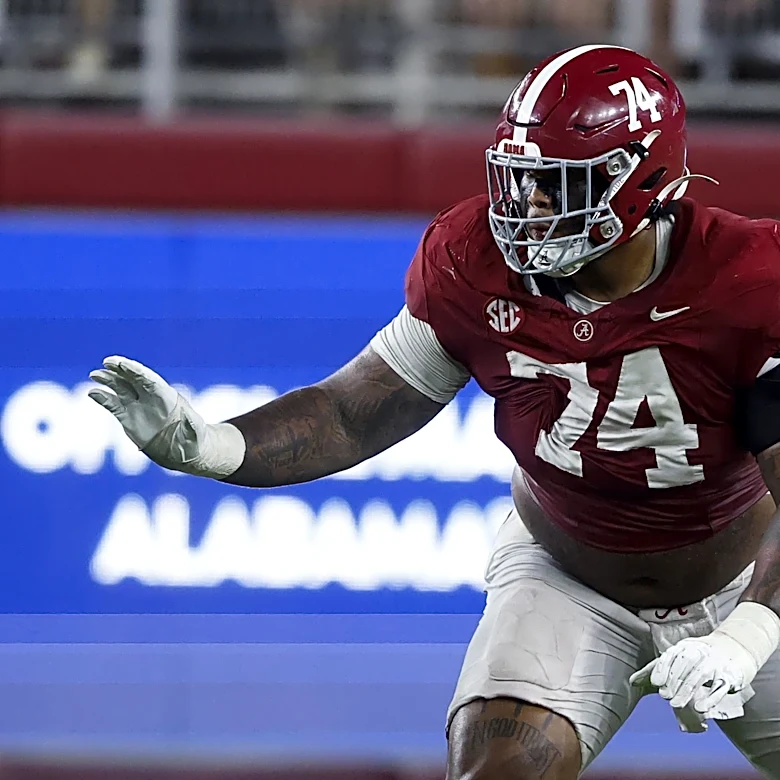
Ryan Poles loves elite athletes and that continued to shine here in 2026, coming away with an extremely impressive collection of athletes. With the arrival of Ben Johnson, the high-character, football-obsessed personalities have risen to the top. That emphasis hit a new high with their selections this year. The Bears needed to come away from this draft with a new starter at safety, which they filled with a potential blue-chip prospect. They also needed to find their center of the future, which they did with Logan Jones in the second round. Finally, and something that I don’t think has gotten a lot of press, they needed to protect their 2027 draft capital with an expected bumper crop of high-end prospects coming out, which they were able to do.
The Bears do need to add talent to the defensive line and they failed to do so with premium picks in this draft. However, they didn’t pick solely for need, passing up a higher rated player just to force a pick on the line. In many ways, they executed their draft philosophy, but the results left them wanting at a position of need. They’ll need to work other avenues like second wave free agents, trades, and veteran cut downs to round out the roster.

5) How will these players be used?
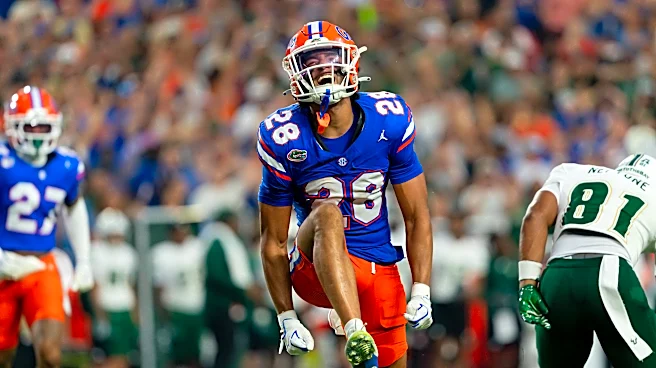
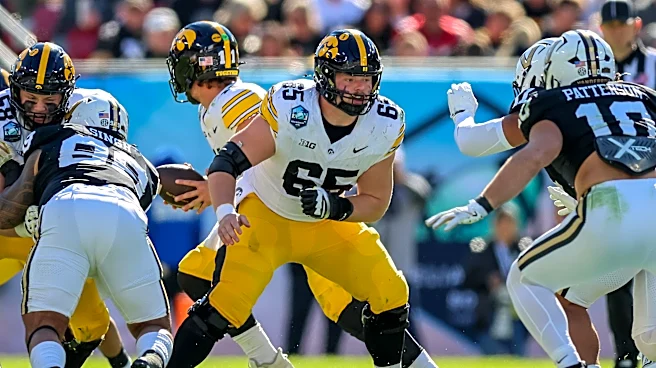
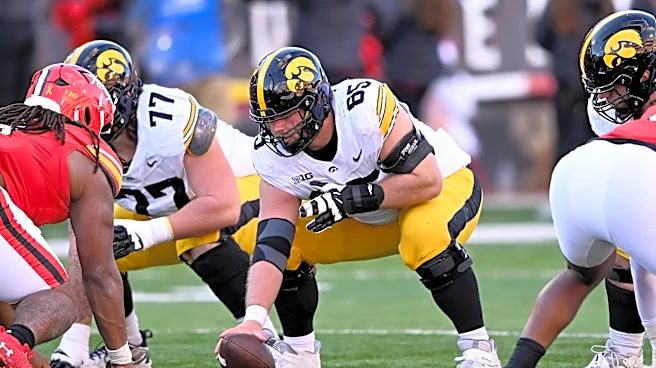
Dillon Thieneman is a Day 1 starter and will allow Dennis Allen to play fun coverage in the back with Coby Bryant. It’s a truly exciting pick for the back of the defense. Logan Jones will give Ben Johnson what he needs to anchor the offensive line for years to come. His athletic comps coming out were Tyler Linderbaum (Hello!) and Drew Dahlman. I think he takes over early.
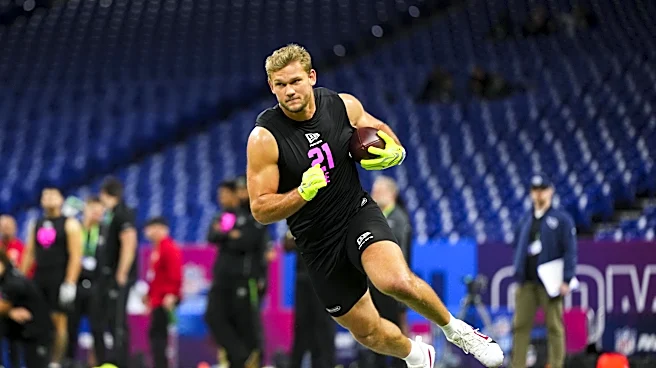
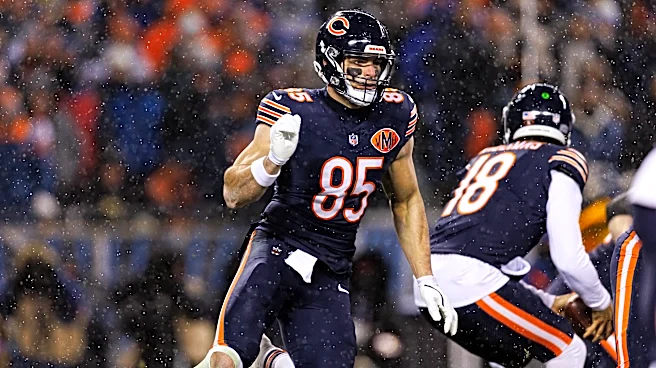
Sam Roush is going to allow Johnson to get into 13 personnel (1 RB, 3 TE) and will help tremendously in the run game. He’s a great athlete with incredible grip strength and carries a strong will to bury defenders into the turf. Look for him to play about 30% of the offensive snaps this year. Zavion Thomas was the outlier from the Consensus Big Board, but he’s got elite speed and return ability. That should be enough to get him on the field on special teams out of the gate and in sub packages on offense to stretch the field. Look for Thomas to log about 5-10% of offensive plays.
Malik Muhammad will add much-needed competition at the outside corner position. With Tyrique Stephenson in a contract year, Terell Smith coming back from injury (and in a contract year), and a complete unknown in Zah Frazier as primary competition to start opposite Jaylon Johnson, don’t be surprised to see Muhammad force his way into games this year and earn CB2 for 2027. Keyshaun Elliott adds competition to the linebacker room and core special teams ability early on. Elliott could make it easier to move on from TJ Edwards after this season. Jordan van den Berg stands as the only defensive line selection. He’s a ball of energy that should find his way into the back end of the defensive line rotation.
6) What does this say about another player on the roster?
Honestly, nothing out of the ordinary. I suppose I could see the Bears trade away newly acquired center Garrett Bradbury to Baltimore since the Ravens missed out on their preferred center prospects (which included Jones). It would be a bit weird for a guy to be acquired and then traded before he plays a snap, but it would make sense for all parties if the Bears want Jones to start out of the gate. I like Malik Muhammad but I think that competition for CB2 is wide open and there’s nothing to say that Stevenson or Smith couldn’t take it.
7) What else do the Bears need to do before September?
They have to sign a veteran EDGE defender. Interestingly, EDGE defenders have become a particular mercenary group that waits until after camp gets going and a team realizes they need to pony up. They sign one-year deals and get to work out over the summer on their own, and they usually still bring in a high salary because of the position premium. There are good arguments to be made for Cam Jordan (familiarity with Dennis Allen, leadership), Jadeveon Clowney (fairly consistent production level), and Joey Bosa (high-end talent when healthy). However, the Bears could wait for camp cut downs or figure out if the Giants are really going to keep all their accumulated talent in a regime change. My preference is Jordan and a trade, but we’ll see.
8) My Overall Grade is…
I give this draft a grade of a Portillo’s order of one Italian beef, but they forgot the hot peppers, fries without the cheese sauce, and a piece of the chocolate cake that you must split with your spouse. In other words, it wasn’t exactly what you had in mind when you placed your order, but it’s still pretty good.