

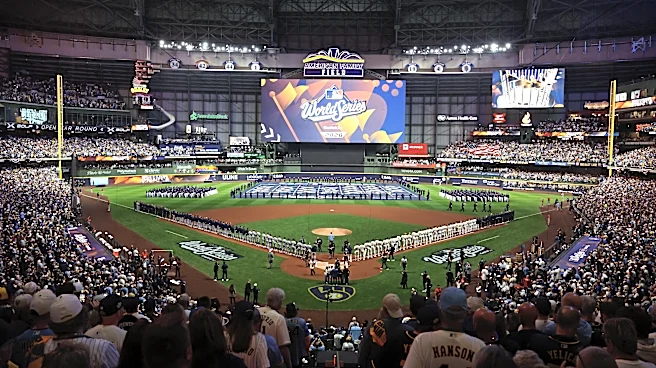

With the end of the World Series in sight, baseball and its fans will be turning their attention to the biggest issue looming over the 2027 season. With the CBA negotiations in full swing since May, there is no apparent progress in the conflict at the center of the stalemate between baseball and its players.
Baseball owners claim parity is at the core of the problem and propose a salary cap and floor as the solution.
The players’ association believes that the issue is too many owners aren’t interested
in competing; they only want the revenue from the luxury tax to line their pockets.
Baseball is a business; the bottom line for both sides is profits for the owners and salaries for the players.
As we get closer to the end of the current contract, the two sides will ramp up the rhetoric released to the public and the media. Getting public opinion on their side appears to be important to both sides, but the owners are putting a lot more of an investment into influencing that opinion.
The baseball media has followed this process closely, writing frequent articles updating the public at each step of the negotiations. Many writers have detailed the process and thinking for each side.
Is billionaire envy a thing?
In May, when negotiations began, Evan Drellich of The Athletic wrote a pieceoutlining the goal of the baseball owners: increasing their franchise values while limiting player salaries with a salary cap. Using the NBA and NFL as their pattern, they proposed a system by which the values of MLB teams would increase markedly. At that time, the average MLB franchise value was $2.9 billion, while the NBA average value was $5.4 billion and the NFL was $7.1 billion (values by way of Forbes).
When people ask why baseball owners would risk the current popularity of the game with a lockout and alienation of the fanbase, the answer is in their desire to increase the value of their franchises.
They believe that copying the financial framework of the other professional sports leagues will bring their organizations up in value to match those other teams. The problem was brought home when the owners of the Los Angeles Angels, Washington Nationals, and Minnesota Twins put their teams up for sale and did not get the bids they expected for their franchises. All three withdrew their teams from bidding.
Arte Moreno, the owner of the Angels, just recently accepted a bid for his team for $4 billion, supposedly a big increase from the previous offer and occurred only after the Padres sold for $3.9 billion.
The Padres are the poster child
In Drellich’s article, the Padres are held up as an example of how investing in a small-market (small-market in terms of media) team can benefit both the owner and the league. Their sale price is a 160% jump from their estimated value of $1.5 billion in 2021 (Forbes). The players union position is that more teams need to invest in their teams the way the Padres did to achieve similar results.
While the owners argue that a salary cap and floor are needed to achieve competitive balance, the players union will argue that if more teams do as the Padres have done and try to compete, their values will soar.
In the words of Bruce Meyer, the interim head of the Players Association, “The lesson could not be clearer: when clubs prioritize winning, fans, players, and owners are all better off.”
While the owners believe that baseball franchises are undervalued and that they need to limit costs in order to elevate values, the players have an argument that franchise values can be increased without those caps, and owners are to blame, not players, for the problem.
Can the Padres show the way?
While there is no way to deny that the Padres are much better off after the spending that late owner Peter Seidler invested in the organization, would that work for every organization? Is this a unique situation, or can every smaller-market team do the same thing?
San Diego Padres or Milwaukee Brewers
That argument will likely be at the heart of the discussions involved in ironing out a new agreement between the owners and the players. If a salary cap is roundly rejected, a different approach will need to be agreed to that will result in more teams being able to compete regularly.
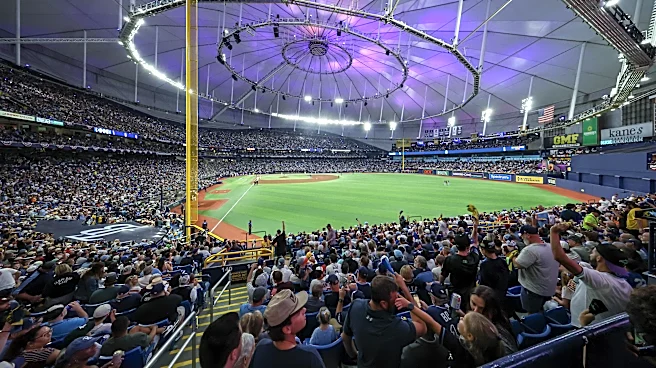
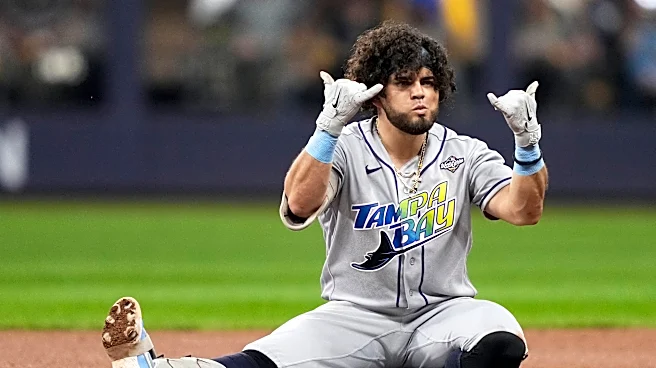
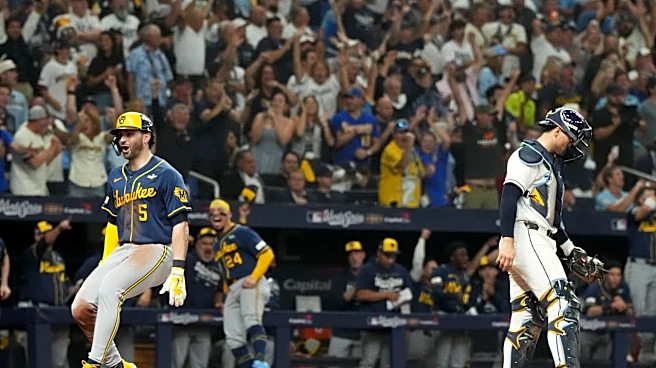
While the MLB negotiators will argue for the precedent the Padres represent, the players union will point to the Milwaukee Brewers or Tampa Bay Rays as an example of the system not really being broken.
With two payrolls in the lower half of the financial spectrum (Brewers No. 19, Rays No. 25), the World Series will serve as an argument for the players.
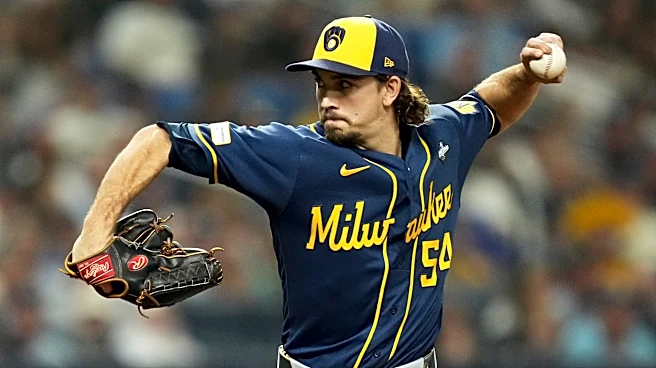
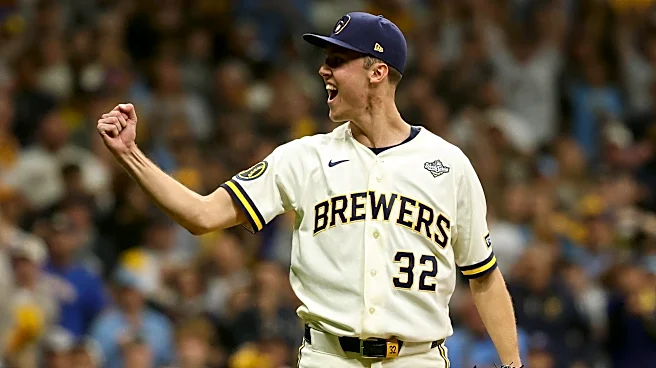
Brewers closer Trevor Megill succinctly summarized the player sentiment: “It’s all hogwash, right? You don’t need tons of money to make it to the World Series. You just need the right people.” Megill was quoted in Evan Drellich’s most recent article inThe Athletic. “There’s no cap. No cap, no floor, it’s not happening.”
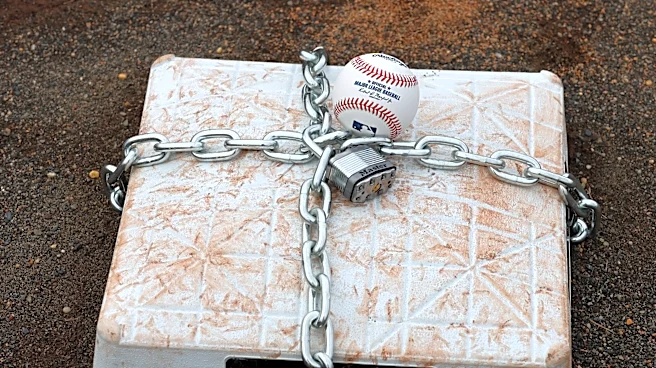
Such are the entrenched opinions of the two sides that lead many to believe that the 2027 baseball season will likely be delayed. While the debate continues publicly and privately, it’s hard to argue that the two extremes in baseball — the haves and have-nots — will be the flashpoint for the financial future of baseball.