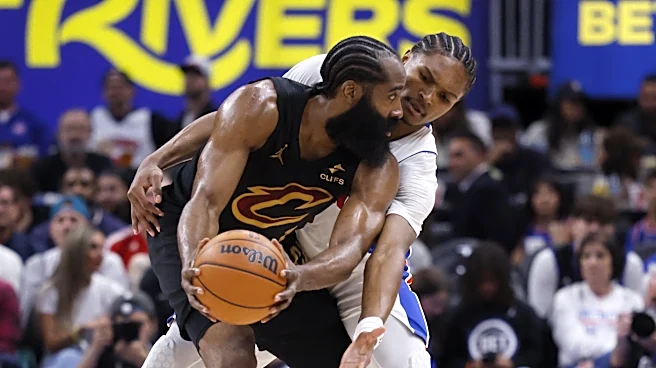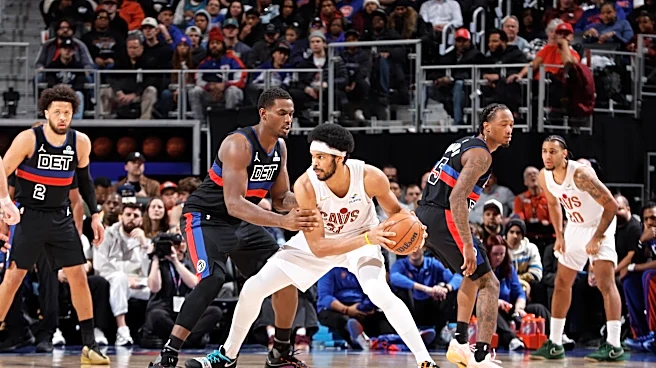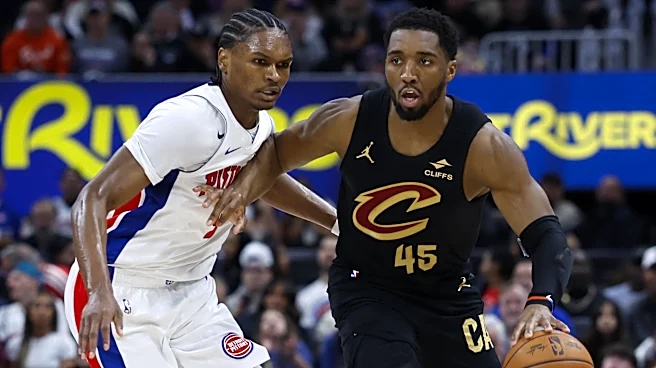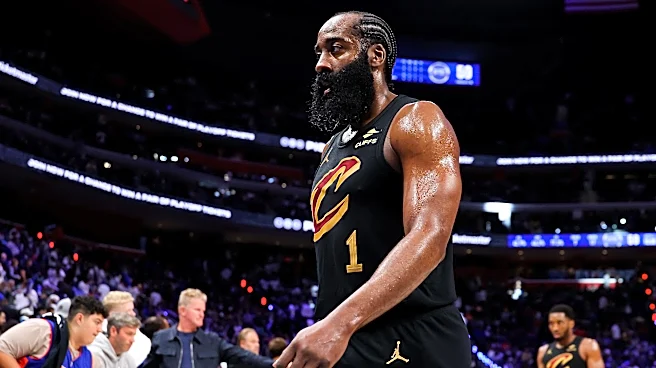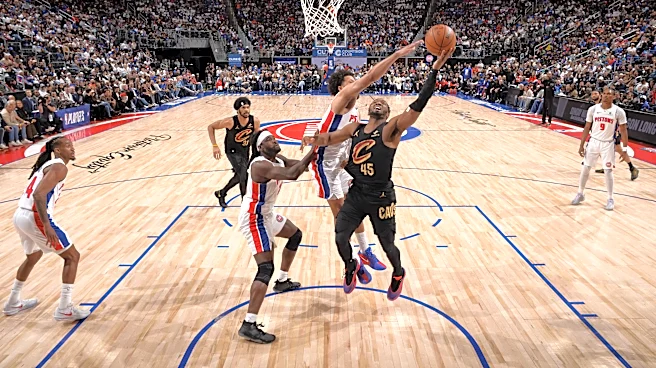






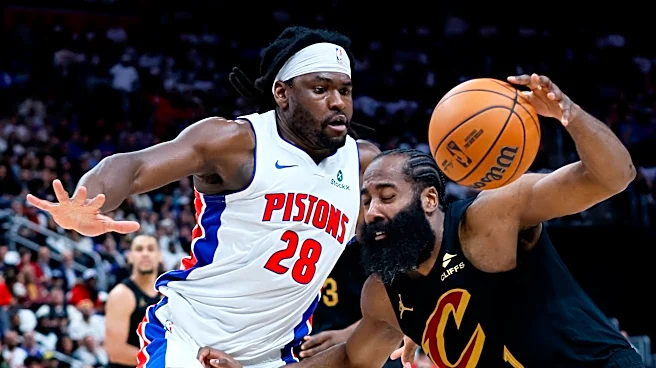
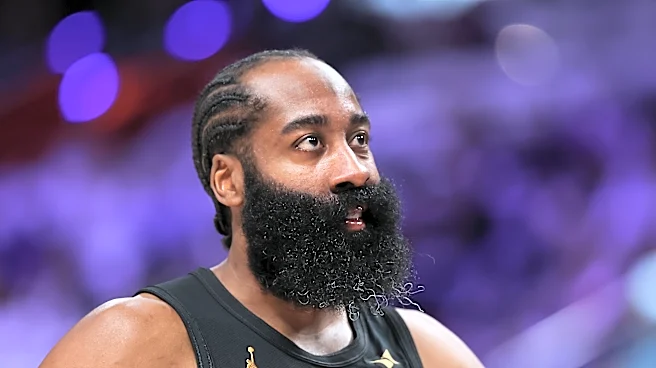
With 5:28 seconds left in Game 1 of the Eastern Conference Semifinals, the Cleveland Cavaliers tied things up at 93 points apiece. They mounted an 18-point comeback against the Detroit Pistons, the top seed, capped off by three James Harden free throws. A whole new ballgame.
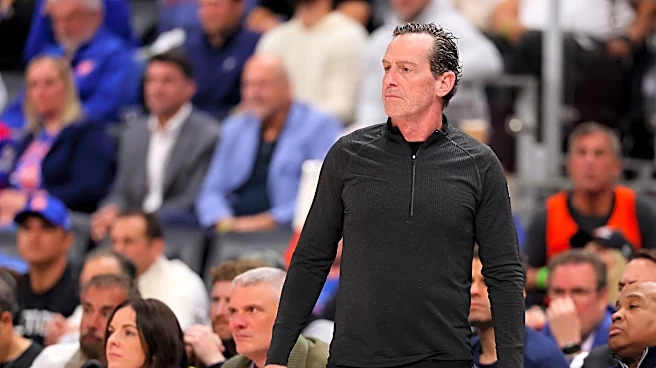
But Cavs head coach Kenny Atkinson made one of his many questionable coaching decisions at this moment.
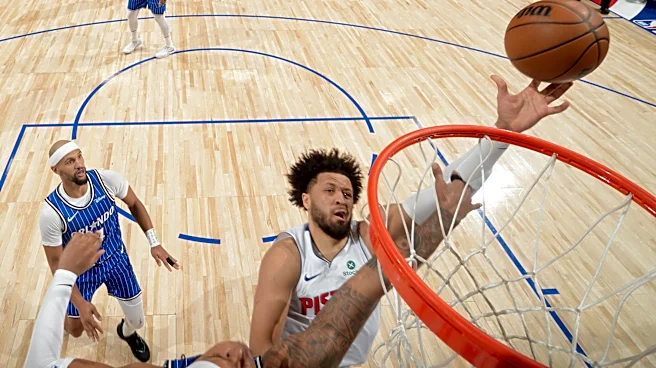
In between free throws two and three, the Pistons brought back in their best player, Cade Cunningham. The Cavs, however, stuck
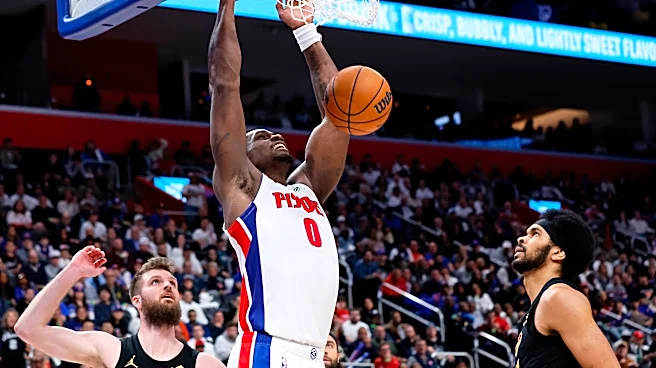
with their lineup at the time — which did not include Donovan Mitchell or Evan Mobley. It would be over a minute later before those two would enter the game, a period in which Cunningham and starting center Jalen Duren took back momentum with a block and two pick-and-roll dunks. By the time Atkinson brought in his closing lineup, the winds had shifted. Duren had another dunk a few seconds later, and the Cavs would remain at arm’s length.
The playoffs have a way of exposing every flaw a team has and then magnifying them to the national audience. Harden and Mitchell’s turnovers are one of them, but Atkinson’s puzzling decision-making is another. He waited too long to use his timeouts, and not getting Mitchell and Mobley back into the game when the Cavs seemingly had the Pistons on the ropes is another. Does Duren get those easy dunk opportunities with Mobley in the game? Hard to say for sure, but not having your best defender out there in crunch time would have made things harder.
Opposing head coach, and former Cavs scapegoat, J.B. Bickerstaff, sensed the Pistons losing control of the game and brought his best player back in to disrupt Cleveland’s rhythm. It worked.
Atkinson has talked a lot about rhythm this season, largely as it relates to the many different lineups the Cavs had to trot out during the regular season due to injury. Whether it was Darius Garland’s nagging toe ailment or the revolving door of small forward, finding rhythm has been a key emphasis for last year’s NBA Coach of the Year. But last night his decision-making was not sound.
When answering a question post-game about Jarrett Allen’s foul trouble, which limited him to 18 minutes last night, Atkinson said it disrupted the rhythm and his rotations. That is understandable, but not putting Allen back in the game with just a few minutes left is not.
The only Cavalier starter with a positive +/- rating was Allen, and he did so playing bench-level minutes. Atkinson subbed him out during that “too little, too late” timeout, and Allen never saw the floor again. The puzzling part is that Allen had four fouls, not five, and — most importantly — it was crunch time with the opportunity to steal a game on the road. Why not put Allen in? Bickerstaff was still playing Ausar Thompson and Duncan Robinson with four fouls, and both of those players impacted the game late.
There is an argument to be made as well that Mitchell, Mobley, and Harden should have played more minutes. Coincidentally, they all finished with 35, which is less than what Tobias Harris logged for the Pistons. Atkinson noted post-game that he wanted to conserve some energy with certain guys and try to find new energy off the bench, likely due to the grueling seven-game series they played against Toronto. But Detroit also played an equally demanding series against the Orlando Magic and still had its best players playing the most minutes.
It will be very difficult for the Cavs to win this series, whether on the road or not, if Atkinson is routinely getting out-coached by Bickerstaff. Game 1 can be a feel-it-out effort to try and see what works and what doesn’t, but the Cavs had a real chance to win – despite playing exceptionally poorly for most of it. Like the Cavs’ backcourt, Atkinson has to be better. And, like his team, Atkinson needs to be moving with a sense of urgency.