






A team that collects twenty two points from losing positions in a competition as challenging as a near-full season in the Premier League doesn’t do it accidentally.
Rightly lauded throughout the season, much has been made of the collective fighting spirit of this Sunderland squad, often coming from a goal or two down to win a game.
The team spirit that was evident throughout our promotion season has even been transferred to what in effect was the entirely new team that was assembled back in August,
and has continued into this campaign. Bottle, grit, determination…all of those adjectives have been paraded every time Sunderland have successfully turned a game around and it’s true — it couldn’t be done without them.

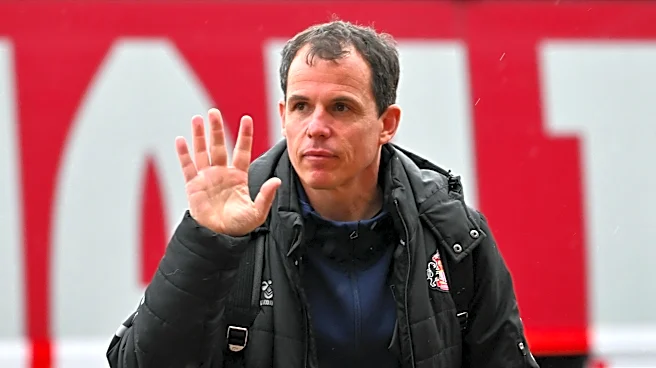
There’s also another factor that’s been very evident on all these occasions and although it’s been equally important, it hasn’t been given the same kind of credit as the fighting spirit and never-say-die attitude of the team: the tactical nous of our head coach, Régis Le Bris.
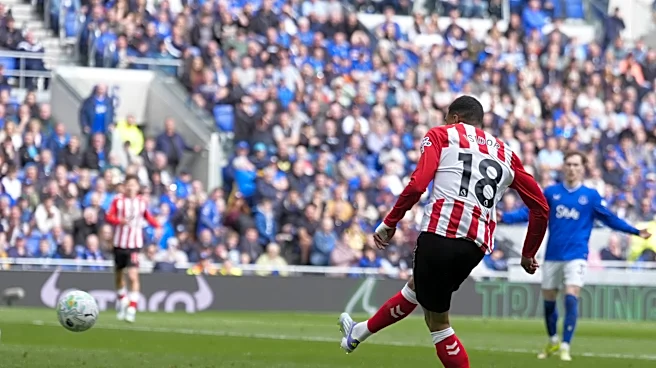
It was evident again on Sunday, where after a first half during which Sunderland may have been a little surprised to have had so much possession surrendered to them by Everton, they rather unluckily ended it a goal down.
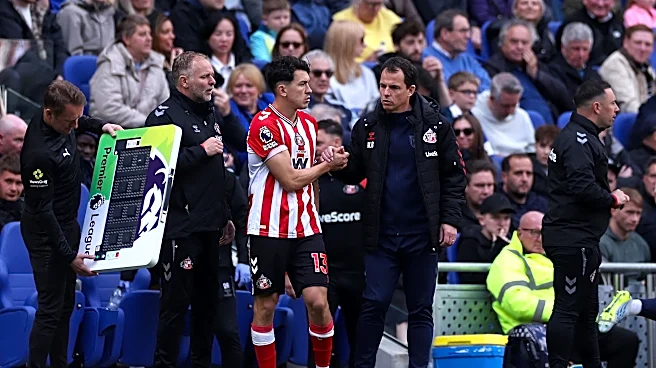
Clearly instructed to be more expansive in the second period, not only did we equalise but rather than shut up shop for the draw, Le Bris sent on attacking substitutes to win the game and it was no fluke that they were all involved in the second and third goals.
In his two years at Sunderland, one feature of our head coach is that he’s been able to think on his feet and make changes during the course of a game to shut down the opposition or turn a game around, even if he doesn’t always get it right from kick off.
It wasn’t uncommon in the Championship for his team to struggle in the opening period before instructions from the bench would coincide with Sunderland beginning to take control of a game. Then came his finest half hour in the playoff final at Wembley.

Trailing 1-0 midway through the second half, he hauled off Chris Rigg for Patrick Roberts and then captain Dan Neil, who was replaced by Tommy Watson. This enabled Enzo Le Fée — who up until that point could also easily have been hooked — to drop deep with Jobe Bellingham, and all of a sudden the pair looked like they had control of the midfield, a move that was crucial to turning the game.
This season, there have been times where a similar pattern has emerged in the opening period of some of our games.
The 1-1 home draw with Everton, where the visitors could have been 0-3 up in the opening thirty minutes before a tactical tweak was made which turned the game back towards the home team, is one example.
At Old Trafford, we had a poor opening spell and were 2-0 down before Simon Adingra was replaced by Dan Ballard after thirty seven minutes; at Aston Villa, we started the game looking like we could very well concede four goals before incredibly coming back to almost win the match.
Nottingham Forest at home was the game where the opposition finally fully cashed in, taking a 0-4 lead within forty minutes before we had a chance to re-organise.
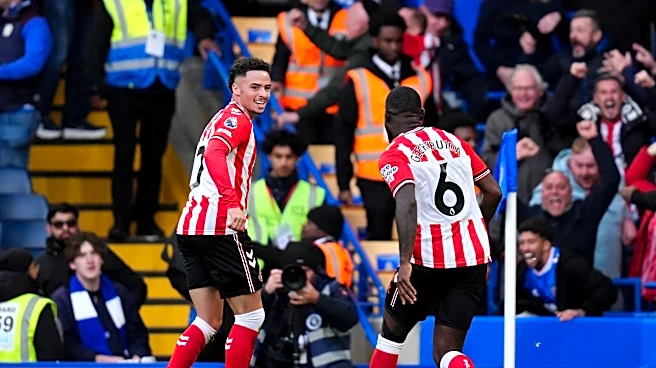
Yet with his tactical nous, our head coach has been able affect changes to win games that are in stalemate or from a losing position where a lot of other teams wouldn’t have found a way back. The substitutes that’ve come on and scored have helped to secure draws or wins against Brentford, Chelsea, Arsenal, Bournemouth, and Everton — or to take a very, very useful thirteen points.

What’s also telling is the respect that opposition managers have for our head coach, with even Eddie Howe acknowledging before the derby at the Stadium of Light that Sunderland were a side that had the ability to be flexible and mix it up tactically over ninety minutes — a very difficult opponent for any opposition manager to try and figure out.
As we look forward to the final game of the season on Sunday against Chelsea, with a European place a real possibility win, lose or draw, our head coach has been the catalyst for Sunderland getting themselves in this position.
The players were recruited last summer but it was a team of strangers coming — in many cases — to a new country, never mind a new club. Le Bris has moulded them into an effective Premier League side that hit the ground running from the off, and has brought the very best out of them throughout the whole season.