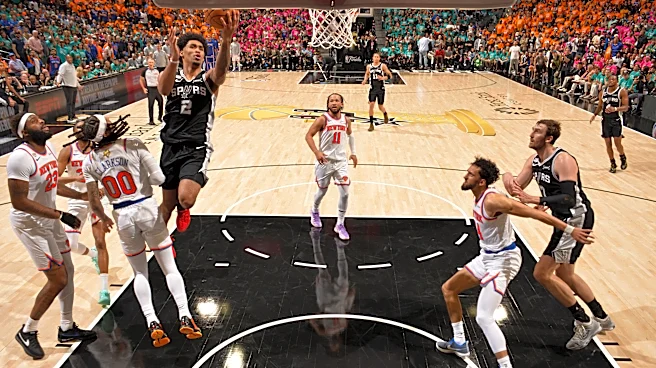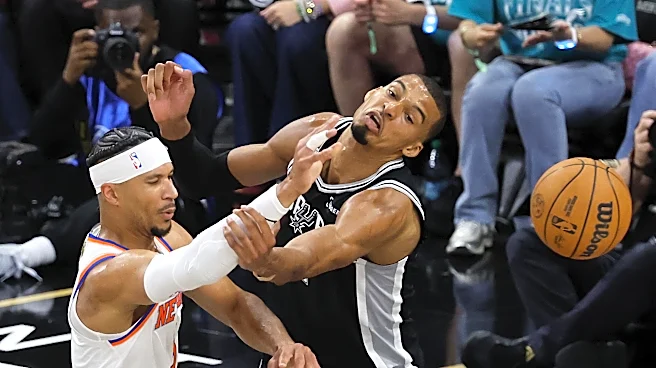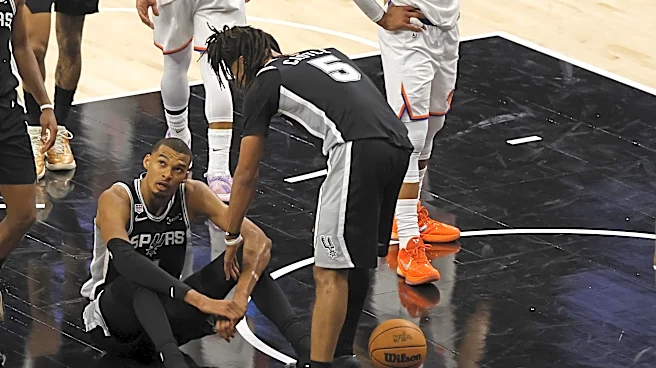





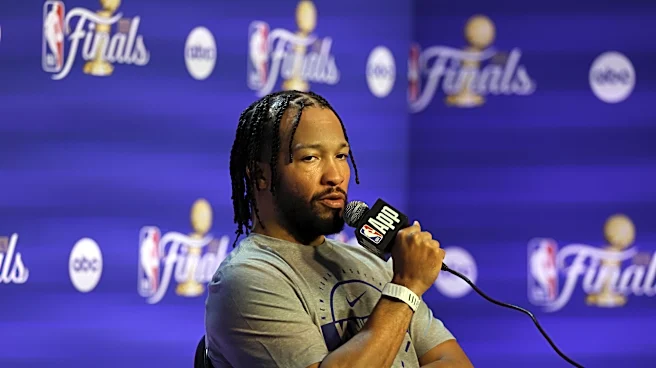
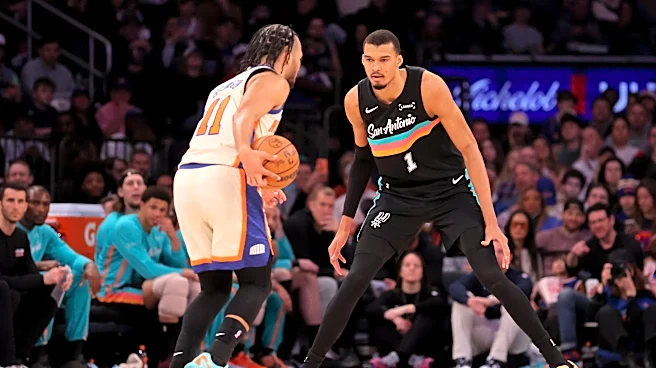
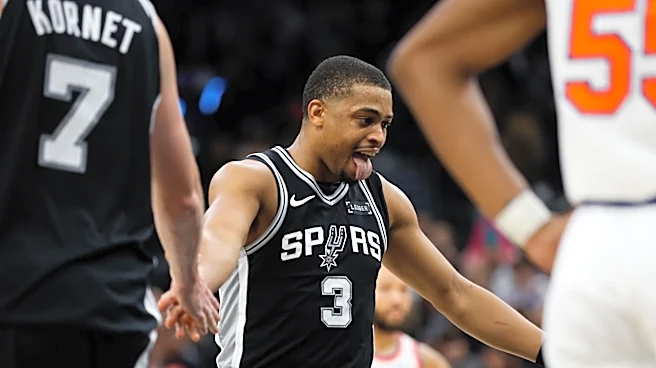
What a frustrating game. Even though San Antonio wasn’t shooting well as a team throughout, for 2.5 quarters it really felt like they had a firm command of the game, and were always ready to punch back when the Knicks went on a run. However, that confidence seemed to fade in the late 3rd, and although San Antonio continued to fight hard, it often felt like they weren’t fighting in a particularly smart way. Be that as it may, the optimistic viewpoint is that this game was yet another necessary experience
on the road to glory, so that the pain we feel now is just the price to pay for future triumph. In the meantime, let’s review some box score stats:
Note: Now that we’ve moved into the postseason, the reference period used for grading changes from the set of regular season games since 2012-2013 to the set of postseason games since 2012-2013. Unless otherwise noted below, this set DOES include play-in games. As of the end of June 3, 2026, this group include 1,201 games.

Factors that decided the game
- Setting aside offensive efficiency for the moment, this was a relatively balanced game. Although it didn’t feel like it, San Antonio actually had more offensive and defensive rebounds, which (all else equal) could have translated into an edge in offensive opportunity. However, they also had four more turnovers.
- Both teams committed 23 fouls, but the Spurs’ were better timed, so San Antonio shot seven more free throws. Unfortunately, because the Knicks earned a FT% margin of +8.89 percentage points, the Spurs’ FTM margin was just +4.
- By far the most significant issue in this game was shooting efficiency from the field. Neither team was good, but New York’s percentages enjoyed a strong relative edge, including FG% and 3P% margins of +5.53 and +4.97 percentage points, respectively. Consequently, the Knicks outscored San Antonio by 14 from the field.
Rare Box Score Stats
- Neither team was efficient from the field tonight, but relatively speaking New York’s advantage from the field was substantial. In fact, the Knicks became just the 13th postseason winner since 2012-2013 to log FG% and 3P% values of just 41.49% and 30.56% (respectively) and still have POSITIVE FG% and 3P% differentials.
- To further underscore how unusual the offensive efficiency mix was in this game, winners with poor shooting percentages from the field often have a significant edge at the charity stripe. New York did not in this game; in fact, the Knicks recorded just the 9th winning postseason performance since 2012-2013 that included FG% and 3P% values at least as bad as theirs and a FTA differential of -7 or worse.
- The Spurs’ paltry assist total of 16 isn’t all that uncommon in the NBA; in fact, this was the 49th case of 16 or fewer assists across all NBA games in the 2025-2026 season. However, it is extremely uncommon for the Spurs, who last had an assist total of 16 or less in a regular season contest against the Jazz on March 11, 2022.
- Wemby had a unique stat line, but it was mostly bad or mixed news on the offensive side of things. For example, he was fantastic at the getting to the free throw line and converting those opportunities, but his offensive efficiency from the field was dreadful. In fact, he logged just the 93rd playoff performance since 1996-1997 that included 12+ made free throws and no more than 26 points. For reference, the average point total for a player making 12+ free throws in a playoff game during this period is about 33.
What are Team Graded Box Scores?
Very briefly, these box scores grade winner-loser differentials for basic box score statistics, with the grade being based on the winning team’s differential relative to other NBA winners during a defined reference period. Think of it like a report card for understanding how a given winner performed relative to other winners. The reference period used runs from the start of the 2012-2013 season to the latest date of play, including only games in the same season category (i.e., regular season and playoff games are not compared to each other).
Data Source: The underlying data used to create these box scores was collected from Basketball Reference. In all cases, the data are collected the morning after the game is played. Although rare, postgame statistical revisions after data collection do occur and may affect the results after the fact.