


It’s no secret the Packers game against the Detroit Lions on Sunday is likely to be a shootout.
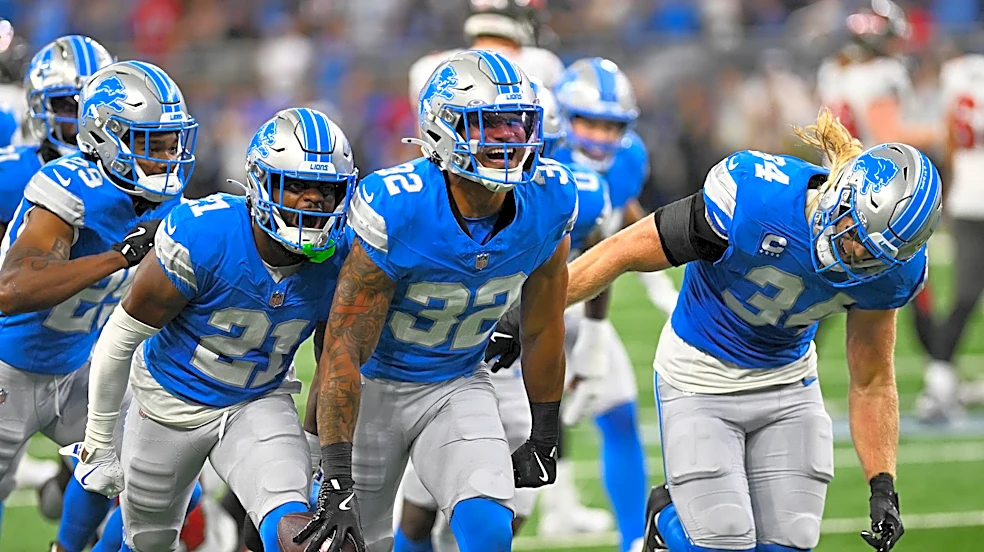
As a byproduct of their stellar offense and inability to slow anyone on defense, Detroit hasn’t played a low-scoring game all year. In every Lions game so far this season, both teams have scored at least 21 points. In four of the five, both teams have scored at least 24. In two, both teams scored at least 30. If you like offense, you’ll probably like watching the Detroit Lions play football.
The Packers,
meanwhile, haven’t really been in a high scoring game this year. The Packers have only broken 30 once, and both times their opponents have done it, the Packers haven’t seemed super interested in keeping pace. Obviously they’ll have to avoid that outcome if they want a chance against the Lions.
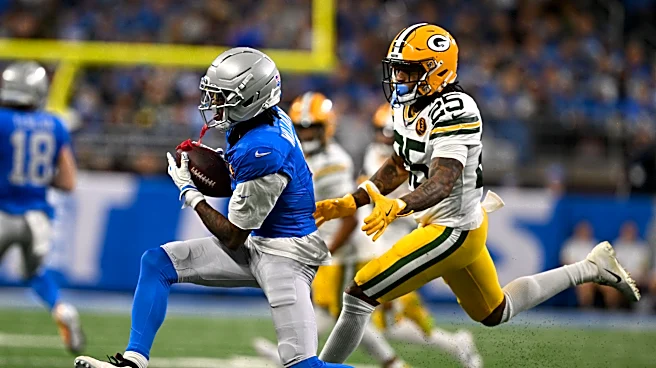
Fortunately, there’s a recent example of how the Packers should approach a game likely to result in a high-scoring shootout: their Thanksgiving day showdown with the Lions last year. That game alone should have showed the Packers exactly the kind of aggressive, playmaker-focused game they’ll need to play to beat the Lions this week.
It starts with fourth down conversions. Matt LaFleur has trended back towards aggressiveness on fourth downs this year, and his choices against the Lions last November shows how that approach can pay off.
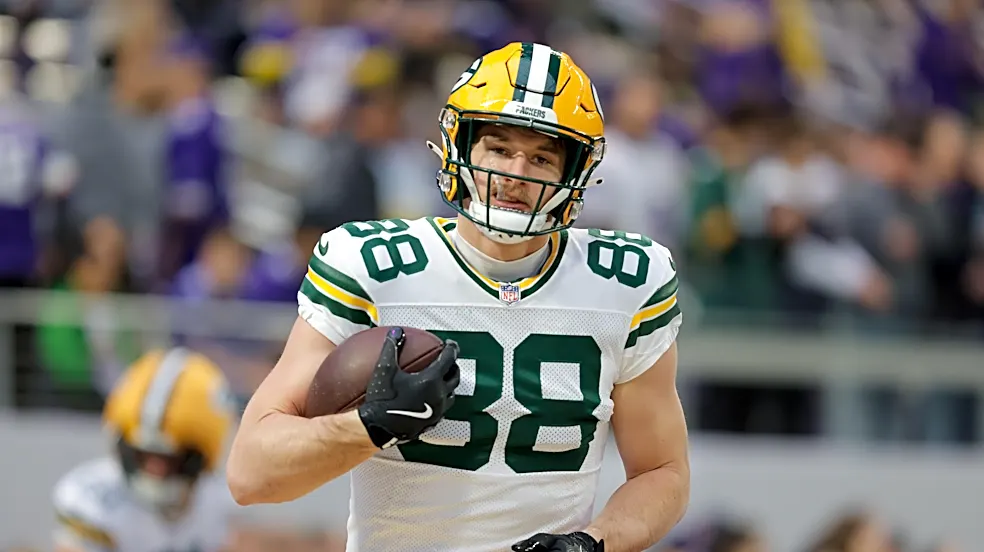
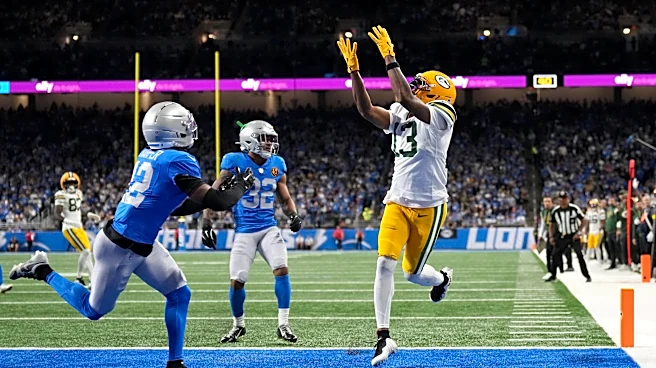
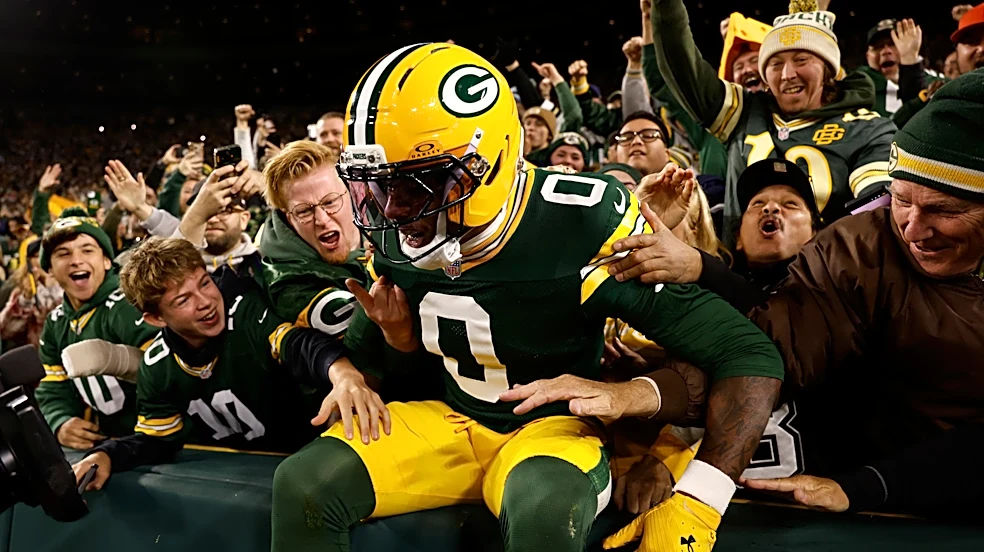
The Packers converted all three fourth down tries last year, scoring two touchdowns (a 27-yard strike to Dontayvion Wicks and a one-yard score by Romeo Doubs) and putting the game away on their final drive.
The third conversion deserves special attention. Facing a 4th and 3 on the Lions’ 45-yard line with just under two minutes to go, the Packers made the high-risk, high-reward decision to go for it. Given that the Lions had no timeouts, a conversion would end the game. But throw incomplete or come up short, and the Lions would have been in business, needing less than 20 yards to get into field goal range.
Matt LaFleur put the ball in Jordan Love’s hands, and Love delivered, finding Wicks for a 16-yard completion.
That sort of approach should again pay dividends against the Lions, who you can expect to be aggressive whenever they have the ball as well.
The Packers’ aggressiveness should also extend to their playcalling. Last year, LaFleur and Love went deep often. Seven of Love’s 30 passing attempts that day were to targets more than 20 yards downfield. He completed four of those seven targets for 126 yards and two touchdowns. That’s not quite as good as Love’s heat check performance against the Bears, but it’s close enough,and considering how poor the Lions’ passing defense is by virtually every measure (in or near the bottom quarter in almost every stat you can find), I think we can reasonably assume he’ll have a chance to move the ball against the Lions this week.
They should take advantage.
They’ll need some defensive plays, though. Last year, Micah Parsons brought plenty. He came up with three sacks, two of which were on third down. On a second half third down, the Lions were lined up on the Packers’ four-yard line, trailing by 10. Parsons broke through and took down Jared Goff for a nine-yard loss, and the Lions kicked a field goal. If not for the sack, would Detroit have attempted a field goal or gone for it all? We’ll never know, but Parsons’ sack definitely changed the calculus.
Parsons obviously won’t be on the field this week, but the need for playmaking is no less important, especially with Zaire Franklin on the sideline. Defensive stops may not forestall a shootout entirely, but a few crucial big plays could tilt the field.
Looking to the past is no guarantee of success. The Packers have certainly changed quite a bit since last Thanksgiving. But the lessons learned in that widely watched game are still relevant today, and if the Packers can run the same script, they’ll be in great shape.