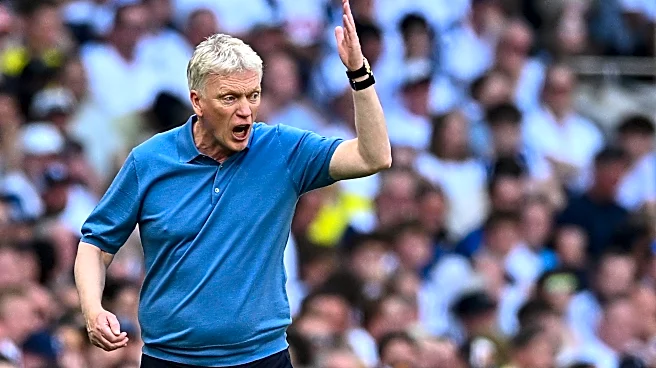



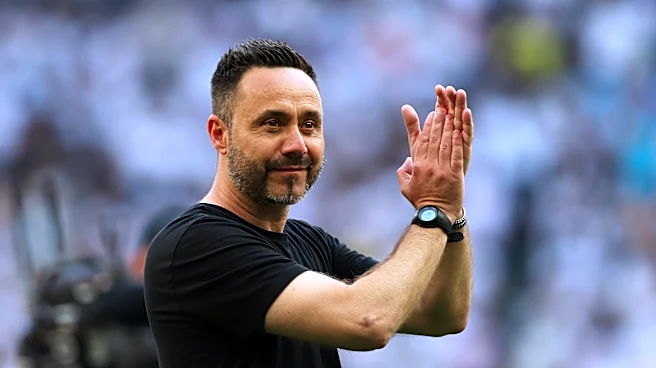
With the 2025-26 season at a close, we continue our season review series with a look at the man who is seen by some as the ideal choice for the long-term project, while others fear the tried and tested methods of the 63-year-old are already stifling a club that is being left behind by other Premier League sides.
Ladies and gentlemen, the manager David Moyes.
Summary
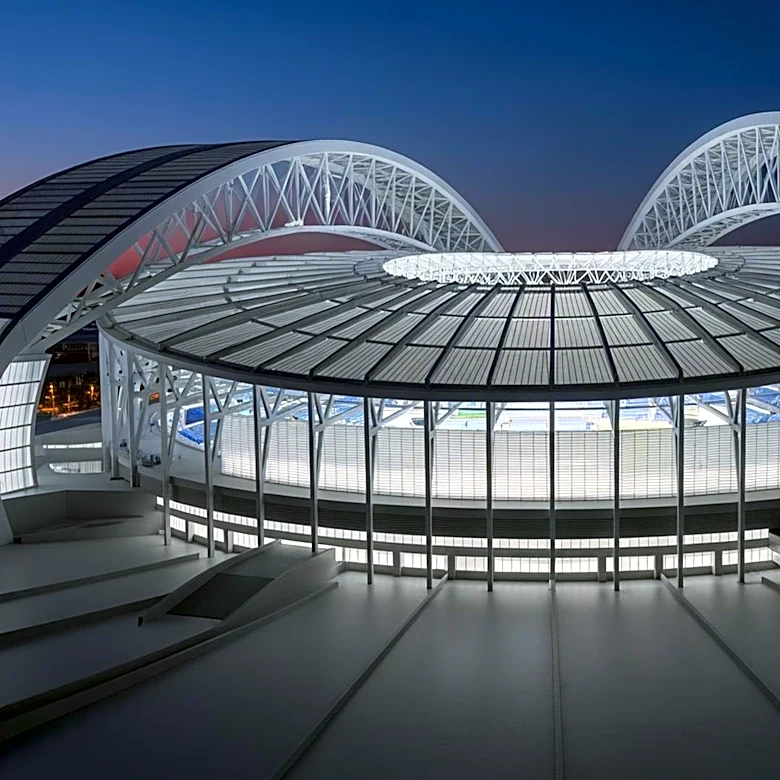
The first season at a brand new home. After the hugely emotional farewell to Goodison Park, Everton Football Club’s first team departed what had
been home since 1892, paving the way for their female colleagues to make the Grand Old Lady their playing base.
This campaign was approached with excitement and trepidation; of the seven clubs that have moved homes during the Premier League, only Derby County achieved more points in their inaugural season at a new stadium, with Middlesbrough remaining the same in their haul in their debut haul at the Riverside compared to the final run at Ayresome Park, something the Blues managed to do in their first year at Hill Dickinson Stadium.
Winning 24 points at home from the overall 49, the Toffees were victorious in six of their 19 home league games, with more victories coming on the road however, although Moyes did manage one more win than Everton did in their final run at Goodison.
The Scot did oversee victory in the second round of the Carabao Cup against Mansfield Town, before bottom-of-the-table Wolves ended the Blues’ run a month later.

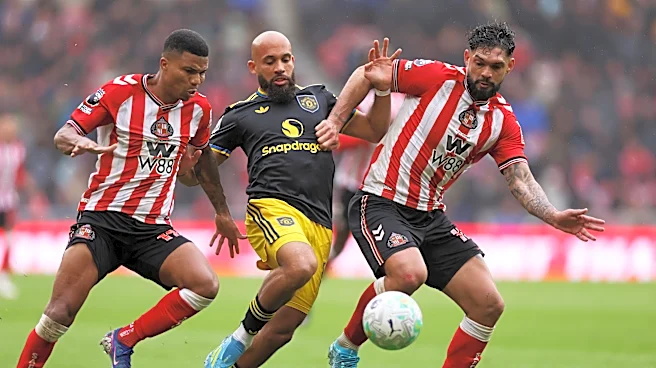
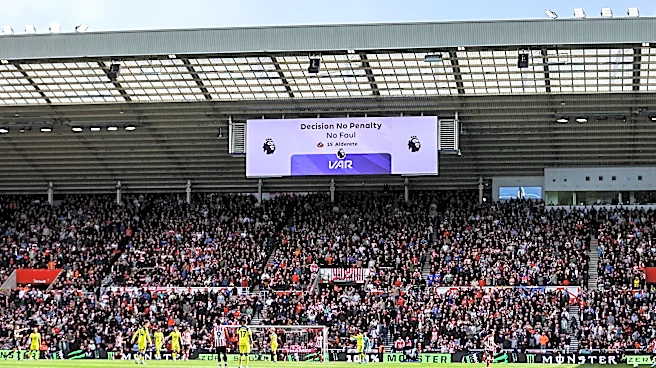
The FA Cup was no kinder to the Toffees, with a penalty shootout loss to Sunderland at HBD ensuring that the long-suffering fanbase’s wait for silverware would continue at least until next year and further continue Moyes’ dismal record in domestic cup competitions while in charge of the Blue half of Merseyside.
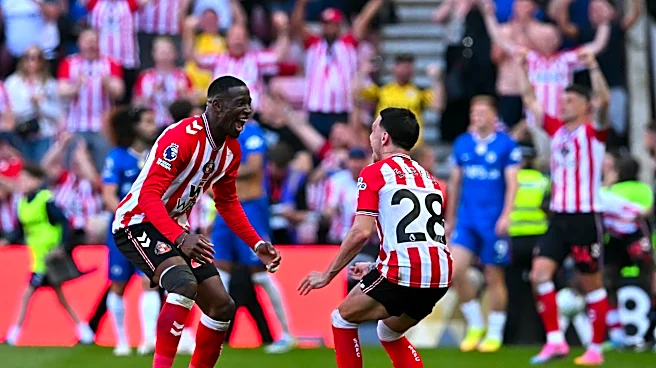
But on 21 March fans dared to dream as visitors Chelsea were decimated on the dock by a ruthless Everton team that looked like it was beginning to click with the season winding to an end and Europe beckoning. The frustrating draws with West Ham, Sunderland and Leeds, as well as the disasters that were the encounters with Tottenham Hotspur and Newcastle were temporarily forgotten as qualification for European football became a distinct possibility.
Seven games to go and not one win was recorded either home or away!
Players and tactics alike looked tired and Moyes’ rhetoric began to sound very much akin to the ‘plucky little Everton’ narrative that has been fed to supporters for far too long. What was briefly a moment of optimism was soon extinguished by missed opportunity, a resistance to fresh ideas, and a seemingly lack of belief in most of the playing staff, which has left certain hierarchal figures within the club ‘happily dissatisfied’ and a loyal group of supporters underwhelmed at best.

With Everton flirting with relegation on far too many occasions over the years, avoiding the drop may have been of primary concern to the Friedkins, but the owners needn’t have worried on that score this season with the team genuinely in the mix at one point for European places.
A 13th placed finish is disappointing, but with the move to a new stadium, plus losing the talismanic Jack Grealish in January and not having Jarrad Branthwaite for most of the season, does Moyes’ managerial performance warrant a new deal or is it time for the powers that be to roll the dice again?
Defence vs Attack
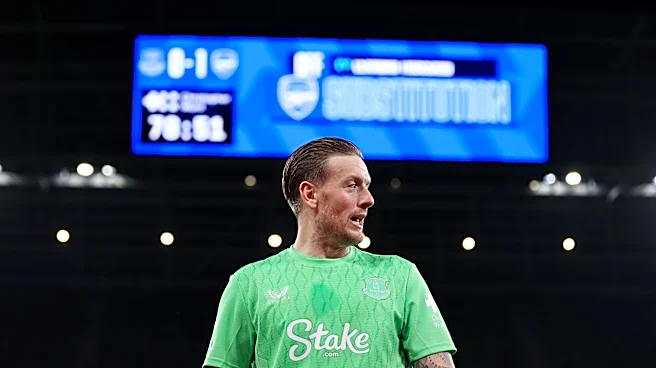
Even without the exceptional Branthwaite, Everton had the meanest rearguard in the Premier League’s bottom half, and conceded fewer (50) than four of the division’s top ten, with Jordan Pickford registering 11 clean sheets. Registering 47 league goals and accumulating 49 points shows that Moyes is capable of grinding out wins – something that served the team well on the road – but the former Hammers and Manchester United’s chief often conservative approach and dedication to protecting what he has rather than killing a game off with the utilisation of the players on the bench, were of detriment in many of those games that finished level or by the odd goal in favour of the opposition.
Rigid and Stubborn
Usually deploying a 4-2-3-1 formation, Moyes elected to put the 6’6” Jake O’Brien at right full-back for most of the season, with the club’s Player of the Season James Garner sometimes utilised there, while Nathan Patterson – a right back by trade – featuring in just seven league games this campaign.

And with both the manager’s preferred centre-back pairing of James Tarkowski and Michael Keane dipping in form as the season went on, could O’Brien’s talents been better utilised in his preferred role?
Known for being cautious, Moyes used the least amount of players in the league this season (22) and while Everton’s squad is not the biggest in the Premier League, there were chances to afford more minutes to fringe players, with January loanee Tyrique George accumulating just 325 minutes in 11 appearances since arriving from Chelsea.
Given the loss of Grealish in January, who occupied the wide area when appearing for the Toffees, Moyes could have been braver in his selection and given George more minutes, or even utilised Tyler Dibling, the club’s second most expensive signing, rather than move Kiernan Dewsbury-Hall out wide, who was far more effective in a central role this season.
Granted, the fans don’t see what the manager sees in training and he will know when players are ready for action, the following quote: “The definition of insanity is doing the same thing over and over again and expecting different results” is very fitting for the man in Everton’s managerial hotseat and a mantra that exasperates many a fan.
Striking Out
Goals win games and there is a reason why golascorers are the most expensive acquisitions and often the hardest to come by. Moyes had two options, Thierno Barry and Beto, with the former finding the net eight times in his debut season, while the harder working alternative managed nine, including a dominating display in that emphatic win over Chelsea in March.

With neither fully justifying their claim as the true leader of the Everton frontline, not to mention Barry’s sometimes questionable attitude and social media activity, a striker will be one of those areas Moyes will be keen to strengthen in the summer.
The Future
The summer promises to be a busy one for Everton and it is looking as though it will be spearheaded by Moyes, with full-backs, a striker and the wide areas most in need of strengthening.
Whether or not some of the team’s biggest names will be used to help finance the continued rebuild remains to be seen, but the Blues have areas that are in dire need of improvement, something European qualification would have made far easier.
Moyes has built well before and unearthed several stars that have proved more than useful to the Toffees, while all the time working on the notion that he may lose a gem to a bigger shark in the Premier League pool.
But the Kenwright era is over and the current owners will not be so patient if their long-term project is not on course, and will not be afraid to make a change if they feel it is needed.

Grade: D
There will be few better opportunities for European qualification than there was in 2025/26.
With nine teams plying their trade across three competitions next season, player recruitment will be tougher than ever, making the end of season capitulation that bit harder to stomach.
Granted, Moyes cannot be held accountable for the players once they cross the white line, but the man who enjoys the role as an underdog and has previously likened his teams’ chances as bringing a ‘knife to a gun fight’ will seriously need to rethink his often conservative approach to playing style and team selection if he is to take Everton Football Club to the next level.
If social media is anything to go by, many Evertonians feel that is not something he can do, which is a fair assumption given how this season ended.
Over to you to prove them wrong, Mr. Moyes.