
This is the second of two articles compiling the fundamental metrics from charting of every Big Ten football team in the 2025-26 season. I split the conference in half to make reading easier; this week
will cover the nine teams that Oregon is slated to face in the 2026 Fall season, while last week’s entry covered the remaining teams and the Ducks themselves. I have about 90% of all FBS games completely charted at this point; most of what’s left to go are some Minnesota, Nebraska, and Ohio State games that I saved for later as I’ll be working on upcoming projects on transfers from those schools, so I could clean up the remaining teams’ tape first. The preliminary work doing logical testing and garbage time elimination has already been completed for every game and is adequate for these fundamental metrics. More detailed insights and granular analysis on situational playcalling, personnel usage, and scheme will be forthcoming in my Summer preview series once all of the charting and those teams’ rosters are finalized.
Ohio State

The Buckeyes became remarkably one-dimensional in 2025. The underperformance of the offensive line by Ohio State standards has now gone on three years in the post-Studrawa era, and it would appear the running backs brought in to replace the 2024 veterans were underperformers as well, with a true freshman eventually eclipsing both of them. The dip of three and a half points in passing explosiveness while efficiency remained nominal will require closer examination – a first year playcaller, a freshman QB, lack of depth beyond the elite pair of wideouts, and ongoing TE development issues all call for consideration.
Much of the year-over-year defensive improvement is simply getting the “bad half” of the first part of 2024 off the books, when the Buckeyes were using poorly schemed simulated pressures that left them vulnerable to explosive plays – the 2025 numbers look fairly similar to the 2024 numbers when restricted to just the week 9-through-postseason datapool. There is a huge jump in rush efficiency defense, though drilling down the story is more complicated and less consequential than it appears due to the telltale YPC figure staying the same (and impressively low). Prior to 2025, opposing offenses on 1st downs only had been getting just barely over the threshold to qualify as a successful run; last year the Buckeyes pushed the other way a few inches an additional eight percent of the time, although they were also prone to give up more explosive runs on 1st down. The other part of the effect is a massive increase in their opponents rushing on 2nd & long in 2025, which the Buckeyes shut down at 75% rates and so pulled their numbers up simply from opposing OCs sticking a fork in an electrical socket.
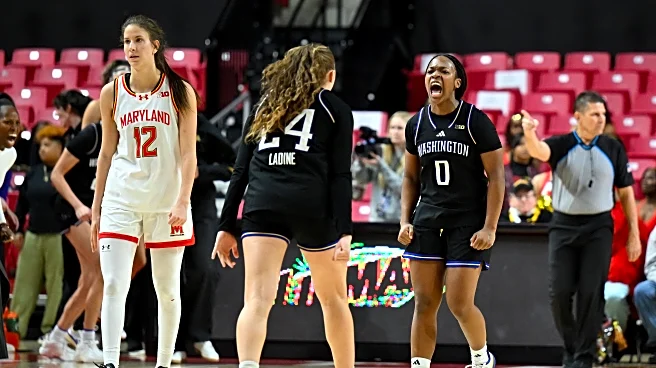
Washington

The complete inability of so many Big Ten defenses to comprehend a running quarterback in a read option offense, much less retrain their linebackers and ends to set the edge and honor the QB keep, started out as amusing for your film reviewer but now has grown into serious concern that the water pipes throughout the American Midwest are made of lead. Offensive line grades and especially negative play rate were problematic enough that the Huskies couldn’t sustain drives against better defenses, especially the ones that clued in on stopping the QB in both the designed run game and scrambling in the passing game once the pocket broke down, with big splits in the data between games in which the QB’s legs were and were not taken away.
Last year finally saw some improvement in the Huskies’ long running abysmal rush efficiency grades, to merely below average, while they stabilized a shaky secondary in explosive pass defense. I think the reason for both had to do with bringing in an infusion of transfer and young DBs and moving on from the post-Lake crew. I have a harder time buying that the front has much to do with it because the rotation was so constrained in 2025 and they’re still not generating any havoc stats, nor that DC Walters’ unique man scheme was the key because like all UW coordinators he abandoned it midseason and switched to the standard Seattle cover-3 zone.
USC

It was quite a shock this year to see Coach Riley abandon his trademark power-RPO scheme. It seems the decision to do so was made prior to and independently of the unfortunate loss of both of the planned primary running backs to injury, I think it was a calculation about the breadth of the available passing targets, the quality of the o-line play, and minimizing the QB runs to just utility plays … although all of those have been issues in previous seasons in LA so I’m not sure why this past year was the time to make a change. The data make it quite clear that the decline in the run game efficiency didn’t have much to do with the backup RB taking over — he performed very well, all things considered, and only lost a little bit of efficiency compared to the starters on muscle runs — but rather the schematic change and the new run game simply being much easier to shut down by defenses who had it figured out (though to be fair the Trojans got through four conference games before this happened). The improvement in the passing game is straightforward – WR corps finally pared down to just the high-caliber targets after years of messing around, they added a TE with a pair of hands for the first time in Riley’s tenure, and the QB settled into his pre-snap reads in his second year in the system.
It’s actually amazing to have a below average explosive rush defense number in the Big Ten. And the Trojans have still yet to play Ohio State or Indiana while missing UW in 2025 (those being the only teams, besides themselves, to have explosive rushing offenses in the new Big Ten), and getting Oregon in the lone year in the last 20 they didn’t rush explosively. If I didn’t know better I would think that DC Lynn and DL coach Henderson were actively trying to make USC fans look foolish.
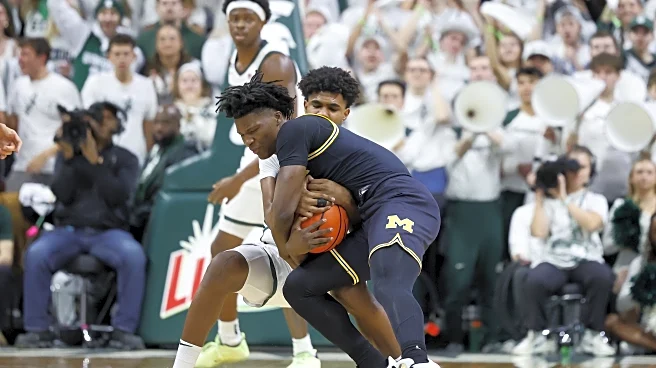
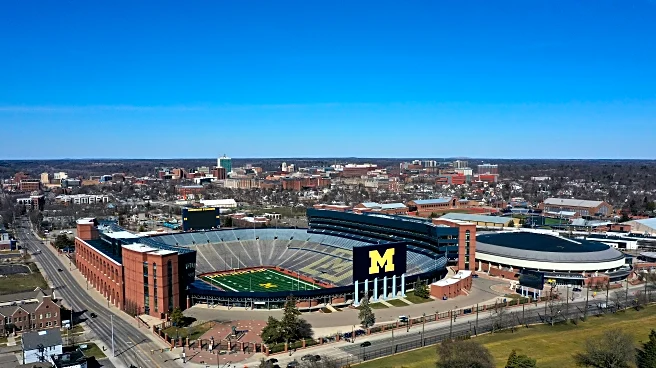
Michigan

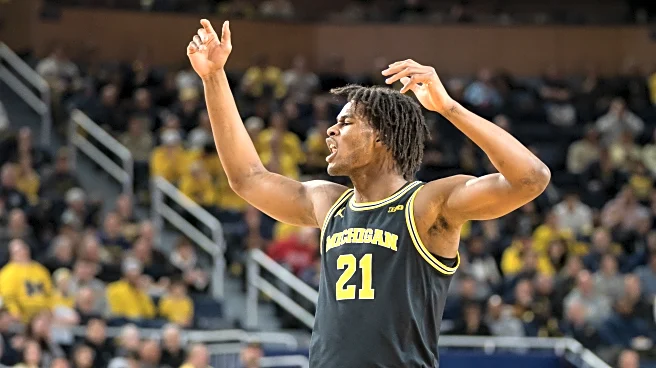
The Wolverines’ rushing personnel performance over the last two seasons has changed over entirely, and the comparison is interesting. On a success rate basis, far and away the best RB was the top back in 2024 … but that year, they didn’t get nearly the production they thought they would from their running QB, and their second RB had below average numbers his entire career but key big runs in clutch moments meant he wound up the face of the program. In 2025 everything was far more balanced – both RBs got decent success rates, better YPC figures than either back in 2024, and the freshman running QB was very productive with his legs (actually, by far the most productive thing he did for the offense was tuck the ball, either on designed runs or scrambles on called passing plays). The freshman inaccuracy and decision-making issues were on display, and the playbook rarely asked him to push the ball more than 5 yards downfield, but simply having a stable, talented QB who could get out of trouble was a massive improvement on last year’s disaster.
The slow step back in underlying defensive stats from the 2023 peak continues. While they’re mostly holding steady overall and shoring up the situational area which makes Michigan somewhat unique — short-yardage rushing stuffs at close to a 50/50 rate, significantly higher than average and much higher than most elite defenses which choose to pursue pass defense in that situation — the continued widening of the 3rd & short vs 3rd & long pass defense gap and the fall in explosive pass defense indicate that they’re becoming increasingly dependent on the pass rush exclusively. That is, the data are pointing to mounting problems in the secondary in containing top quality passing offenses, which is covered up only by how rarely these are encountered in the Big Ten.
Illinois

The Illini took a step forward in just about every fundamental metric in 2025 compared to 2024, with the exception of pass defense efficiency where they were hurt by losing multiple returning starters to injury midseason.
Illinois’ numbers represent a very unusual three-year arc, from 2023 to 2025, in that their personnel, staff, and schemes don’t really change in this period of time, but their game outcomes have the big positive change between 2023 and 2024 while their metrics have the big jump between 2024 and 2025 … it’s usually the other way around. My best interpretation of events is that in 2023 they were a mediocre team with chaotic outcomes — the retrodictive algorithm says the “wrong” team won in 11 of their 12 games! — then in 2024 they settled down and simply won or lost all the games they were supposed to and were handed a relatively soft schedule, so they leapt up on the win-loss column, but didn’t really improve at all fundamentally. 2025 is the year when the maturation into a well developed team actually happened, and they caught up in the fundamentals to what a lucky break on the schedule delivered them the year before. (I’m still at a loss, however, as to what it was that made this team go from so chaotic in 2023 to so straightlaced in 2024, and perhaps I’ll never know.)
Nebraska

Both the improvements in performance, and the decision to lean more heavily into, the rushing offense continued in 2025 under now-fulltime OC Holgorsen which I’d observed in 2024 when he’d taken over midseason. There are several factors going on here including a big difference in the quality and stability of the interior of the offensive line compared to the tackles, as well as sorting out the RB and WR rooms and an injury to the QB, so it’ll take a lot of consideration and review to determine how much of that is an ideological preference or simply a rational response to circumstances.
The defensive numbers are interesting. The fall in rush defense efficiency is traceable to a situational collapse in their short-yardage stuff numbers from well above average to below average, which in turn is likely due to losing a couple of veteran studs on the interior of the line at the end of the 2024 season. However, the rest of their rush defense numbers including 1st downs remained pretty good, and the fall in pass explosiveness defense does not appear to come from the secondary as I might have guessed last Summer since the 3rd & short vs long differential is almost non-existent. Instead the problems in the pass defense come on 1st down and 2nd & long, which typically indicate linebacker coverage issues. As I recall, Nebraska had a glut of linebackers they were moving around from on- and off-ball and had brought in some transfers during the last offseason, so I’ll be interested to catch up on the tape and see how they did.
Northwestern

The jump in the Wildcats’ rush efficiency figure is very impressive, all the more so because they lost their top, longtime back in the first game to injury and got a much better performance from the backups than would have been expected from their deeply subpar per-carry numbers the previous two seasons. However, there’s something of a “when your only tool is a hammer” aspect to this, which can be discerned from looking at the stagnant figures in every other metric and the slide in explosive rushing. That is to say, in half of Northwestern’s twelve FBS games, they hit significantly above average rushing success rates by smashing the ball over and over into the defense but stayed well below average in YPC and rush explosiveness, so this didn’t really get them anywhere except eating a lot of clock (in two additional games against teams with comparable defensive prowess, UL Monroe and USC, Northwestern also had very high rushing success rates, but in those games they also had high YPC and explosiveness). To say the Wildcats’ transfer QB was inconsistent would be quite an understatement – he played four games a full standard deviation above FBS median in passer rating, four games a standard deviation below it, and only one right around median (the remaining four were … very bad).
I have no idea why F+ has Northwestern’s defense jumping 20 ranks, they performed at exactly the same level as they did last year, if anything somewhat worse in the secondary and declined to below average in getting off the field on 3rd & medium / long. My algorithm has them in the 50s with yet again a glaring need for improvement at linebacker athleticism.
Michigan State

There’s about a five percentage point rise in the offense’s passing play success rate after they make the QB switch, with the new QB having an average instead of below average passer rating simply because he wouldn’t wildly and inexplicably miss about one in every dozen throws. But he also represents about a two percentage point falloff in explosiveness as they’re just not pushing the ball down the field as much. The greatest consternation here is the total lack of progress in the run game or run blocking grades – I might have given the staff another year based on their track record in this regard, “watering the bamboo” is the logic on which they were hired, but I can’t see any downside to firing them either since getting fired for showing zero progress isn’t going to strike anyone as capricious.
The rush defense falloff was for real, not a technical one, including a substantial tick up in YPC allowed and hitting all situational areas including 1st down and short-yardage. However they continued to make progress on the pass rush with a good havoc rate and a high 3rd & long pass defense success rate, and a much improved 2nd down pass defense rate which indicates better linebacker play.
UCLA

UCLA’s transfer QB has almost exactly the same statistical profile as the true freshmen at Maryland and Michigan, not what might be expected from a 2023 recruit and a veteran from a playoff team the previous year. That is, his passer profile was below average in every category, and the receiving targets — almost entirely unchanged personnel from the year before at UCLA — all have substantially worse per-target numbers with the new QB throwing them the ball. However the QB’s legs as a scrambler and in the designed run game were the most valuable thing he brought to the team, considering the terrible offensive line (a staple of LA, it would seem). The Bruins’ run game got off the mat compared to 2024, but it was only the QB and one of the three RBs who have above average per-carry numbers pulling the overall figure up, the other two RBs are still at 2024 levels, indicating the blocking and scheme aren’t getting the job done and it’s individual improvisation skills that are instrumental.
The defense was god awful as usual, but with an even worse falloff at explosive pass defense. I was curious to see how a certain transfer who was originally from southern California, went to Texas, then Indiana, and then back to UCLA would do since I really liked his quietly effective tape whenever I caught it previously, but he didn’t play at all in 2025 and has now entered the portal. I suspect the situations are related, but I’m not sure in which direction.