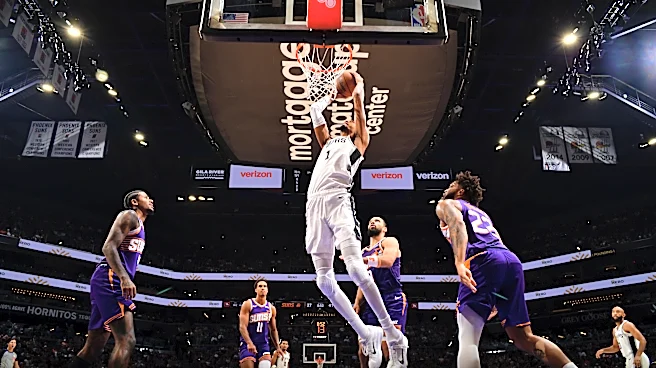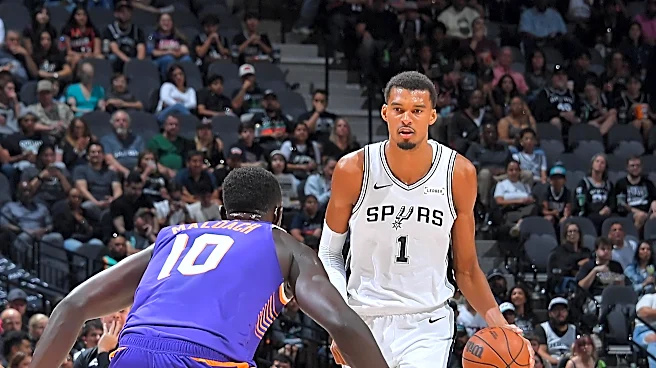

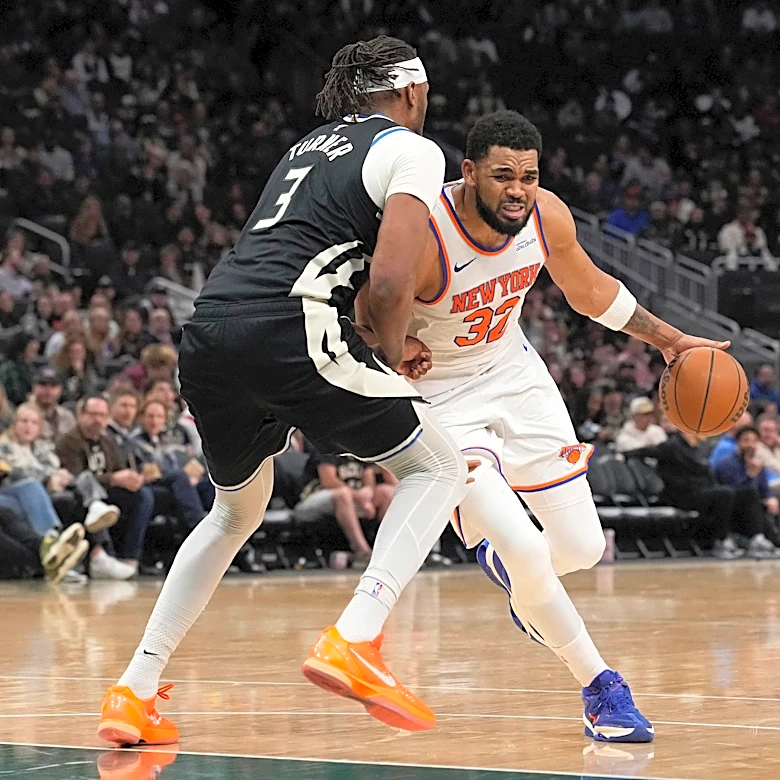



If there’s one thing that gets my blood boiling and sends me rushing to my keyboard, furiously typing away while using this space as a personal therapy session, it’s NBA officiating. And once again, we witnessed not only inconsistency during last night’s matchup between the Phoenix Suns and San Antonio Spurs, but inconsistency in how the league ultimately assessed the consequences.
Let me set the stage for you. It’s the third quarter, and the Suns are trailing by 20 points. Keldon Johnson grabs an offensive
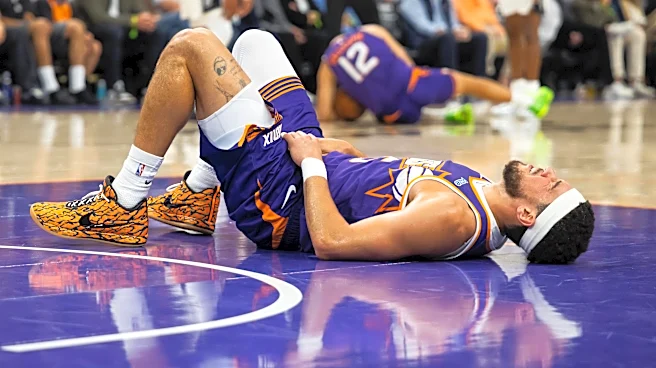
rebound and goes up for a shot from about three feet away. In the process, he kicks his leg out, making forceful contact with Devin Booker’s junk. That’s right. Right in the family jewels.
Booker immediately collapses to the floor, writhing in pain, and the officials? Play on. Nothing to see here. Apparently, a man getting kicked squarely in the equipment isn’t enough to warrant a second look, let alone a review for a potential flagrant foul.
Now, when you watch the replay, you can make the argument that Johnson’s leg movement was part of his natural shooting motion. Perhaps he was extending his leg to maintain balance while attempting the shot. I’ll entertain that explanation because we witnessed something remarkably similar last week when Dillon Brooks attempted a jump shot with Jamal Murray defending him.
Did it appear that Brooks extended his leg a little farther than necessary? Absolutely. But anyone who watches Brooks regularly knows that he frequently kicks his leg out when shooting. It’s part of how he stabilizes himself in the air. Perhaps it’s also a technique designed to draw contact, but it’s hardly an unusual movement for him.
Regardless, Brooks was assessed a Flagrant 2 foul and ejected from the game. Meanwhile, against a San Antonio Spurs franchise with a long and storied history of kicking the Suns in the nuts, Johnson wasn’t even assessed a common foul. There’s your first inconsistency.
Then, today, the NBA reviewed the incident and retroactively assessed Johnson a Flagrant 1 foul. So apparently, what wasn’t even worthy of a whistle during the game was serious enough to warrant a flagrant penalty after the fact. Wonderful. Thanks for clearing that up.
We’ve been down this road before. The league acknowledges an officiating mistake after the game, but that acknowledgment does absolutely nothing for the team that was denied the call in real time. Granted, Phoenix was trailing by 20 points when the incident occurred. I’m certainly not suggesting that a whistle would have changed the outcome of the game.
But that’s not the point. The point is consistency.
Johnson receives a retroactive Flagrant 1, while Brooks was assessed a Flagrant 2 and immediately ejected for a play that, when you compare the footage, appears remarkably similar. So what exactly separates the two incidents? Was Brooks being assessed a reputation tax? Is his history as a physical, occasionally antagonistic defender influencing how officials interpret his actions? Or are we witnessing another example of inconsistent officiating from referees whose judgment deserves scrutiny?
And that brings me to Justin Van Duyne.
Because I’m beginning to wonder whether there’s a bias at play when he officiates Suns games. Much like Tyler Ford, the official who ejected Brooks, Van Duyne has developed a history of calls involving Phoenix that have left me questioning his judgment. The officiating statistics surrounding both referees only add to that frustration, particularly when examining how frequently they’ve whistled the Suns for fouls.
And these two have history together. Remember when Devin Booker was ejected during a nationally televised matchup against the Los Angeles Lakers a few years ago? Ford and Van Duyne were both involved in the sequence that resulted in Booker receiving technical fouls and being tossed from the game. It’s one of those moments that remains lodged in my basketball memory, and incidents like last night’s do little to improve my confidence in the officiating.
This is the kind of stuff that really ticks my bombs. If the NBA wants to hold players accountable for excessive or dangerous contact, I’m all for it. Protect the players. Enforce the rules. Assess flagrant fouls when the situation warrants them. But for the love of God, establish some consistency in how those rules are applied.
While we’re at it, how about a little accountability for the officials themselves? If the league can review a play the following day and determine that Johnson committed a Flagrant 1 foul, shouldn’t there be some acknowledgment that the officiating crew, including Van Duyne, failed to recognize it when it actually mattered?
Because retroactively assigning a penalty might correct the league’s paperwork, but it does absolutely nothing to correct what happened on the basketball court. And until there’s greater consistency and accountability, I’ll continue finding myself right here, furiously typing away, wondering how the same league can look at two remarkably similar plays and somehow arrive at three different conclusions.