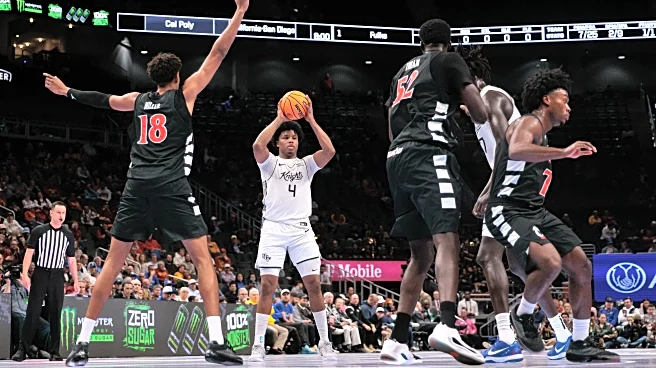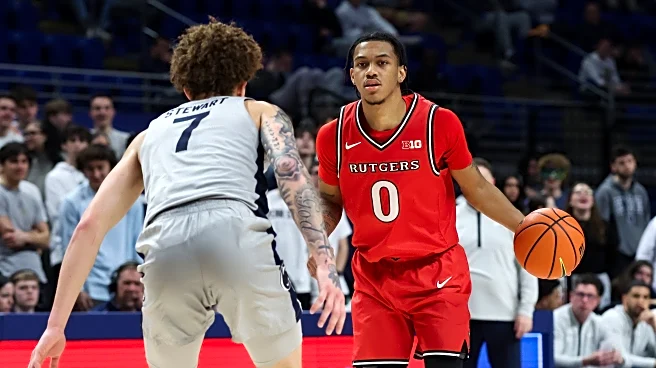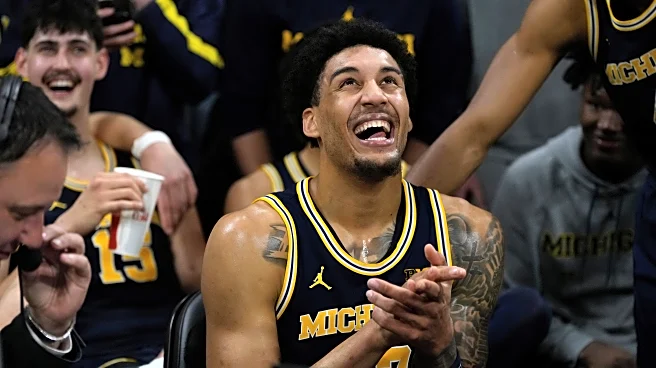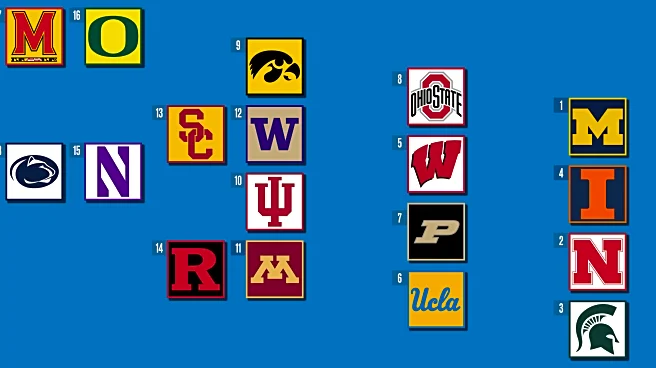


With the NBA draft just three-and-a-half months away, the Dallas Mavericks are playing truly dreadful basketball. Cooper Flagg has struggled in his return from injury, and there hasn’t been much else to watch for. Luckily, March Madness is right around the corner, and dozens of potential Maverick draft picks are set to kick off conference tournament play this week.
Fellow Mavs Moneyball contributor and draft savant Tyler Edsel and I have been breaking down prospects we’re paying special attention
to in each conference. Here, I’ll cover a handful of players in the Big Ten that could hear their names called by Dallas on draft night. Make sure to check out my article on SEC players and Tyler’s rundowns on the Big 12 and ACC!
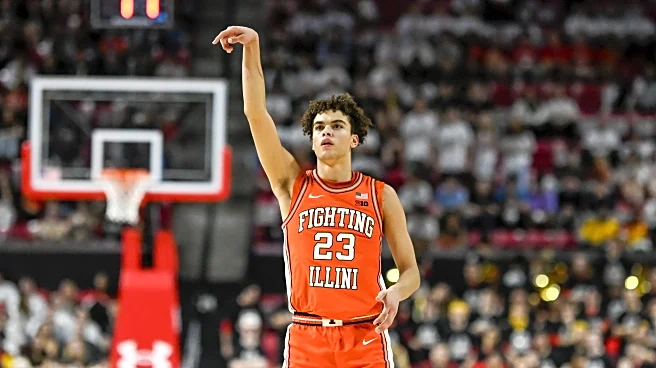
Keaton Wagler (G, Illinois)

Season stats: 17.9 points, 4.9 rebounds, 4.3 assists
I don’t think it’s an exaggeration to say we’ve never seen a prospect like Keaton Wagler. How could so many programs miss on this guy? And is what he’s doing for real?
One thing that can’t be questioned with Wagler is the shooting ability. He has insane range and is comfortable firing off the bounce or spotting up. The shot looks great, and he takes a pretty high volume at just under six attempts per game. It’s clear that he’ll be an impact shooter at the next level.
Wagler is also an incredible processor of the game and has a penchant for winning plays. He makes the right pass, knows how to read and manipulate defenses, and always plays under control (2.44 AST/TOV). That savviness allows him to excel in an on-ball role in Illinois’ five-out system.
The issue with Wagler is that he’s probably one of the weakest 6’6 athletes I’ve ever seen, and he’s rail thin. He can’t beat guys to the rim, so his two-point shot diet consists of a ton of awkward floaters. When he does get to the basket, he struggles to finish and draw fouls. Infamously, Wagler has 0 dunks on the season. Is that a player who can be an effective on-ball creator?
Because, apart from the spot-up shooting, I haven’t seen a ton of off-ball juice from Wagler. People point to Kon Knueppel for comparison as an athletically limited connective shooter, but Kon is built like a brick house and excels off movement. Per Synergy, Wagler has taken just six shots off screens and has four total points there. This tells me that Wagler hasn’t yet proved that he can be a legitimate movement shooter. Is his combination of craftiness, pull-up threes, and floor spacing enough? I have my doubts, especially since the handle isn’t amazing.
I went really long on Wagler here because I think he’s the biggest boom or bust prospect in the draft. As Big Ten tournament play kicks off, I’d like to see how he attacks the paint and how he moves around and impacts the offense without the ball. Any other areas of improvement will have to wait until after he bulks up. Draft range: gone by the 10th pick.
Hannes Steinbach (F, Washington)

Season stats: 18.6 points, 11.6 rebounds, 1.5 assists
Let’s get the obvious draw for Steinbach out of the way— the man hails from Wurzburg, Germany. And if you think about it, nothing goes right for the Mavericks when the roster lacks a Wurzburgian.
Apart from the German connection, Steinbach is an incredibly compelling prospect. Everything about his game screams “winning basketball player.” He’s an elite rebounder and plays with a tenacious motor on the glass. Defensively, he’s comfortable switching and hedging and has a knack for making plays. On offense, he’s a skilled post scorer with great hands and touch, and he even mixes in the occasional three.
Steinbach is a bit undersized for a true center (listed at a generous 6’11, he’s probably closer to 6’9) in the NBA, and it doesn’t seem like he can function as a primary rim protector. If that remains the case, can he play the five full-time? And if not, can he shoot enough to split minutes at the four? As tournament play gets underway, I’m looking to see how Steinbach holds up on defense at the five and how effective he can be making plays out of the short roll/dribble handoffs. I feel like he can be a Sabonis-esque offensive player with much better defensive potential. Draft range: mid-to-late lottery.
Yaxel Lendeborg (F, Michigan)

Season stats: 14.7 points, 7.2 rebounds, 3.2 assists
Lendeborg is another oddity, as he’s certain to be the oldest player selected in the first round on draft night at nearly 24 years of age. The concept of drafting an old guy who plays the same position as Cooper Flagg sounds terrifying, but Lendeborg is an awesome basketball player. The Big Ten Player of the Year is so well-rounded, mixing in creation reps with a sound off-ball game. Lendeborg can be a legit secondary playmaker, and at his size, that has a ton of value. Though he’s a bit of a shaky three-point shooter, the shot has improved, and he should take and make enough to keep defenses honest.
Lendeborg is a good athlete, but not a great one. While his size (6’9, 230 lbs) and strength allow him to effectively slash on offense and guard up and down the lineup on defense, he’s not very explosive. That will prevent him from being a Flagg-like wing primary. And though his defense should be strong, he likely won’t be a top-tier, All-Defense kind of guy. The upside is a bit limited. In March, I’m looking to see how he handles being the No.1 option for opposing defenses, if the shooting pops, and how he guards opposing teams’ best players. Draft range: late lottery.
Bennett Stirtz (G, Iowa)

Season stats: 20.2 points, 2.5 rebounds, 4.4 assists
A favorite of “Spreadsheets FC,” Stirtz is enjoying an incredibly productive season in his first year at Iowa. Like Lendeborg, Stirtz (a senior) is a late bloomer, playing two years of Division II ball before moving up to D1 at Drake last season. He was excellent there and has continued his stellar play for the Hawkeyes.
Stirtz has a unique combination of feel, shooting ability, and playmaking. Though not a plus athlete by any stretch, Stirtz can pressure the rim and finishes well at the basket (71% in the halfcourt, per Synergy). He’s an extremely intelligent decision maker, adept at finding teammates off drives, and a legitimate shooter from all three levels.
Given his athletic limitations and modest 6’4 frame, Stirtz’s defense is probably not going to be very good. And those same factors will likely prevent him from being a primary creator at the next level, too. In tournament play, I’d like to see just how much Stirtz leverages his decision-making into good looks for his team. I love the fit with Cooper Flagg, but is Stirtz’s lack of star upside too prohibitive to draft him in the top 10? Probably so, but he’s someone I’d love if he falls to the late first. Draft range: mid-to-late first round.
Bonus: the Michigan Bigs

Aday Mara, Center- 11.3 points, 6.9 rebounds, 2.4 assists, 2.6 blocks
Morez Johnson Jr., Forward- 13.7 points, 7.4 rebounds, 1.1 blocks
Though the Maverick frontcourt is quite crowded, both Aday Mara and Morez Johnson could represent enticing late-round options for Dallas. Mara, a 7’3 behemoth, is a junior transfer from UCLA with special rim protection and playmaking chops. He has excellent touch inside and is a creative post scorer. The passing is what really makes him special, though sometimes his ambition there leads to turnovers. Through Michigan’s tournament run, I’ll be looking to see if he can avoid those mistakes. Additionally, I want to see how he holds up defending in space against talented perimeter players.
Morez Johnson Jr. is a special athlete with the potential to be a game-changing defender. He’s too undersized to be a full-time five, but his tools should allow him to moonlight there. He’s still a bit of a work in progress offensively, but the shot looks solid, and I have some belief that he’ll shoot. It’s always smart to bet on athletes like this. I’ll be watching to see how he’s defended in the tourney and where he likes to operate from on offense.
Neither Mara nor Johnson Jr. is an ideal pick to fit in with the Mavericks’ current roster, but Dallas needs talent in a big way. Snagging one of these players with their late first would be a godsend. Draft range for both: early-to-late 20s.