



This series of articles on the NCAA’s behind-the-scenes legislative shenanigans has followed one question since it started: if and when any of this turmoil and chaos could ultimately clear Gonzaga’s path to a viable roster in the 2026-27 season, and how. Part Two, published roughly a month ago, ended with that question looking settled: the NCAA kept losing in court, the class of 2022 kept winning, and Gonzaga was one California ruling away from a legit point guard and a real case for the Final Four.
As it stands now, Javon Bennett and Chauncey Wiggins, the two class of ‘22 players who signed with the program a month ago after securing their eligibility in state court, are both now ineligible, their state wins frozen on appeal in Ohio and Georgia. California remains the only state where the NCAA hasn’t managed to get a win reversed, and if they were to, it would mean Xaivian Lee’s eligibility would also be kaputt. Meanwhile, Gonzaga’s international recruits Izan Almansa and Nathan De Sousa remain in the same position they were months ago, waiting on a waiver that nobody in Indianapolis seems to be in a hurry to rule on. After getting rinsed over and over again in court, the NCAA is now winning the fights that matter, and the picture looks bleaker by the day.
Less than two months from now, Gonzaga plays Purdue in Las Vegas, and nobody can tell you who will be available. So let’s go through it one name at a time: who is cleared, who is in limbo, who is waiting on a waiver, who is waiting on a judge, and when this whole mess might be sorted out.
Starting with the good news…
10 Fully Eligible Dudes
The returners: Braden Huff, Davis Fogle, and Parker Jefferson are all untouched by any of this. Huff is cleared to play, and by all accounts the knee is holding up just fine. Fogle is on a normal sophomore clock after a breakout freshman season and is set up to be one of the sport’s breakout candidates this season. Jefferson’s 2025-26 season redshirt means he has not used a single season of competition, so he’s cleared for four more under the new five-in-five legislation. Three dudes. No problems.
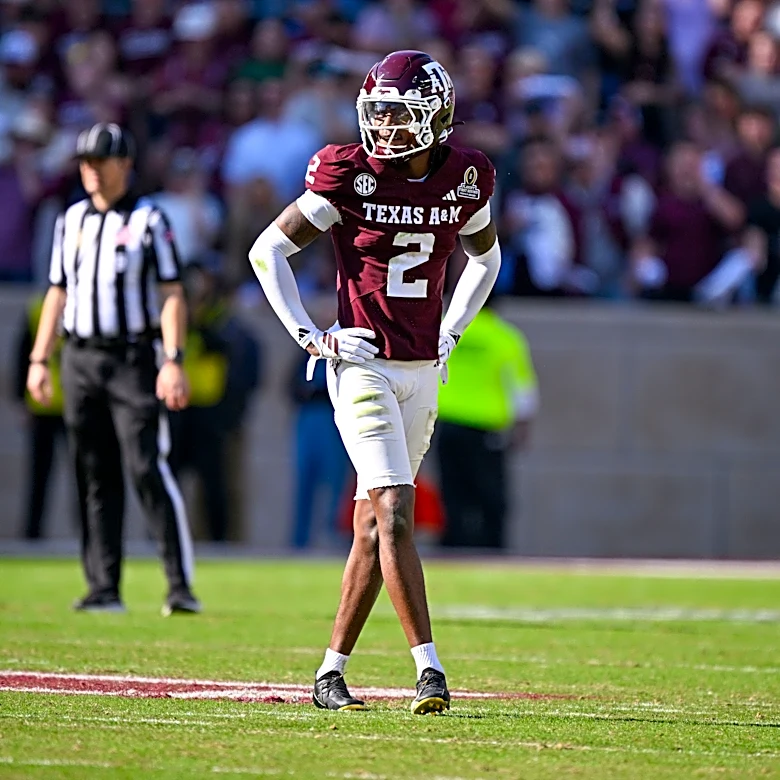
The transfers: ASU transfer Massamba Diop and Houston transfer Isiah Harwell both signed financial aid agreements in May. Both arrived in Spokane as sophomores with four remaining seasons of eligibility, and the lesson of the last month is clearly that getting your portal business done early and pursuing younger players without any eligibility baggage is now a legal strategy as much as a roster one.
The freshmen: Luca Foster, Sam Funches and Juwan Ekanga-Ehawa are all fully eligible. The only point of concern is that the NCAA’s mid-cycle reinterpretation of international status has caused real damage elsewhere on this roster, and Ekanga-Ehawa came up through JL Bourg in France. Nobody has reported him as being in any kind of limbo, though, and there is no point inventing a problem for a guy who has never played an NCAA minute as of yet.
The “walk-ons”: Alonzo Metz is a Designated Student-Athlete under the House settlement, so he does not count against Gonzaga’s 15-man roster limit. Carter Nilson is a preferred walk-on. Unless a bunch more things go horribly wrong, neither will see a ton of minutes in the 2026-27 season, but at least they’ll be available and eligible in case of emergency.
The Zags thus have ten fully eligible players, which is also more or less the eight scholarship guys and two walk-ons who made up the whole roster in August. The other five are why we are here.
The Bad News…
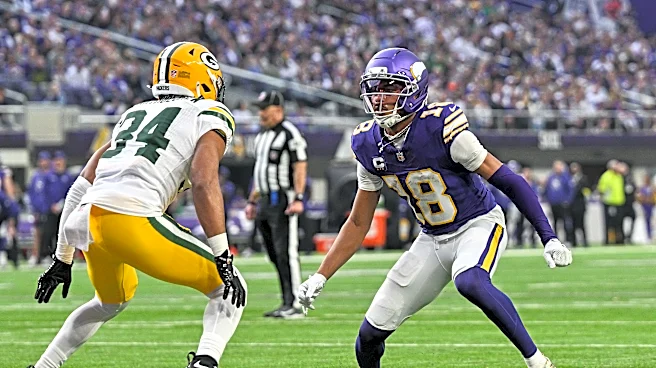
Xaivian Lee: Eligible for now, but that could change – Lee is eligible for only one reason: a California judge said so, and the NCAA hasn’t found a way to undo it. Lee is currently protected by a temporary restraining order taken out against the NCAA, which is emergency relief, not a guarantee of continued eligibility. A judge grants it fast, often without a full hearing, purely to keep the NCAA from doing damage while the court figures things out. It buys weeks, not a season. The next step up is a preliminary injunction, which would last through the life of the case. So Lee is currently the least legally protected of Gonzaga’s fifth-year additions and also the only one who can play.
The suit in California is now to 76 plaintiffs, and it’s become the one place in the country where the NCAA keeps losing on appeal. On September 29, a California judge will oversee the show-cause hearing on converting that TRO into a preliminary injunction. Win it, and Lee runs the point through March. Lose it, and the Zags are without their starting point guard six weeks before Christmas. And even a win only gets you most of the way, because the threat to Lee was never the trial judge; it’s whatever the NCAA inevitably files with the court above that judge the following morning.
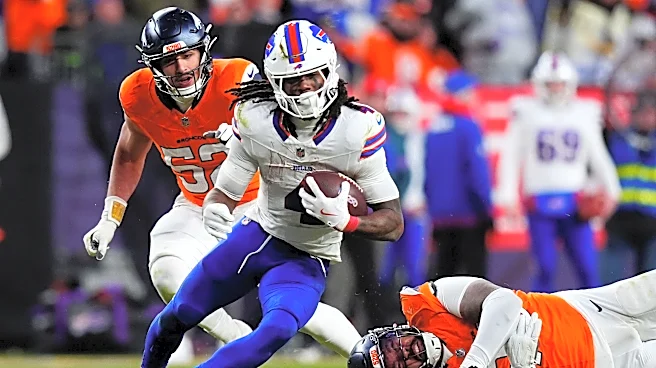
Chauncey Wiggins: Ineligible – Wiggins had secured a full preliminary injunction in state court, which is why he could commit to Gonzaga the next night without fear of the ghost transfer penalties and protection from the NCAA’s draconian rules of restitution. Then on September 9, the Georgia Court of Appeals stayed the whole thing, pulling eligibility back from Wiggins and roughly 30 other athletes all at once.
Wiggins has an appeal with no scheduled argument, which means his season depends on when a Georgia appellate panel decides to get to it. If they move quickly and reverse, he’s back. If they sit on it into November, the practical outcome is a lost year regardless of how the legal stuff eventually shakes out. His attorneys may attempt to throw his name into the California suit, which is now the only jurisdiction where any of this is still working.
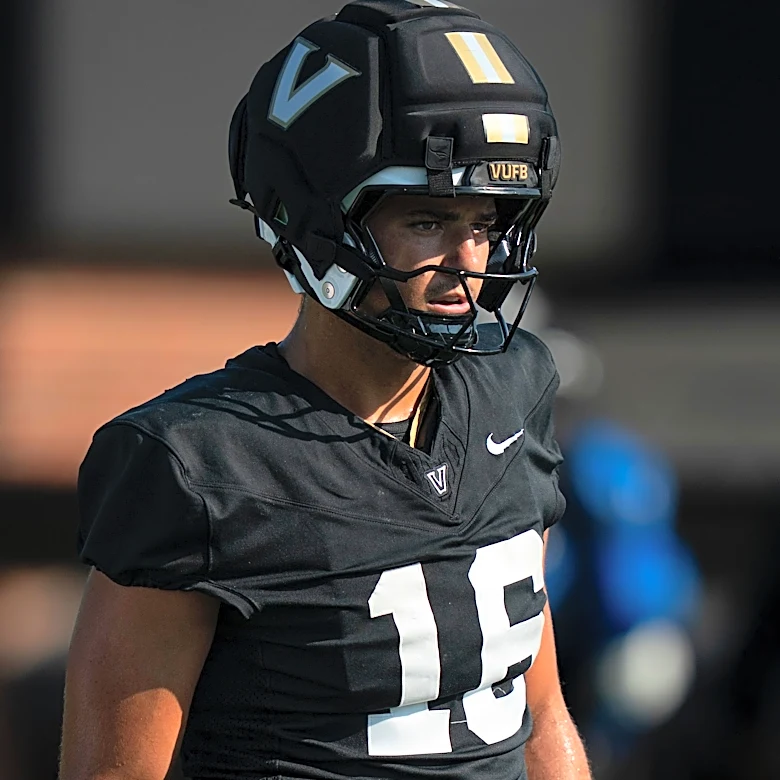
Javon Bennett: Ineligible – Bennett had two things protecting him when he signed with Gonzaga, and within two weeks he lost both. The first was his own case. He was a named plaintiff in Bennett et al. v. NCAA in Hamilton County, Ohio, won a preliminary injunction on July 9, and committed to Gonzaga on August 5 on the strength of it. That injunction got stayed on August 17. The second was a backup plan: a separate class action out of Colorado, Wisne v. NCAA, that had already granted every class of 2022 player nationwide, Bennett included, a fifth season on its own. Even if his personal case had fallen apart, that ruling alone should have kept him eligible. The 10th Circuit stayed it too, on August 21. So the personal win is frozen, the backup is frozen, and a 136-game college point guard is sitting on a roster he can’t play for.
The key date for Bennett is September 22, when the Ohio appellate court hears oral argument. If the panel reinstates the injunction, it’s the first time this month an appellate court has broken for the players, and it gives Wiggins a reason for optimism in Georgia. If it affirms the stay, then the NCAA will have run the table on appeal in Ohio, Georgia, and the 10th Circuit, and California becomes the only thing standing between Gonzaga and a very thin rotation.
Izan Almansa: Ineligible – He’s been in Spokane since July, training with a team he can’t suit up for. His waiver has sat with the NCAA in Indianapolis since May. There is no hearing date, no deadline, and no one to appeal to.
Even a favorable ruling might not be enough to get Almansa on the active roster, though. On August 25, the SEC banned any athlete with an NBA, G League, or WNBA contract or roster spot, court order or not, and Almansa’s two years with the G League Ignite put him in that net. Six conferences have passed some version of this same policy. The Pac-12, Gonzaga’s own league, still hasn’t, but league-wide pressure could put the squeeze on them to shift policy.
Gonzaga just joined this league, and it could be the conference itself that takes Almansa out of the picture before the NCAA even gets eyes on his eligibility clearance.
Nathan De Sousa: Ineligible – De Sousa arrived in Spokane in late August and is waiting on the same kind of international waiver as Almansa. He spent the previous five seasons at Cholet in France’s LNB Elite and would enter with one year of eligibility remaining under the new five-in-five model due to his age more than his previous basketball experience. No court case, no injunction, nothing to stay. Just Indianapolis taking its time.
French club basketball isn’t the G League, so the SEC and other conference bans don’t map onto him and a Pac-12 version of the same policy presumably wouldn’t either. If De Sousa’s visa/eligibility waiver and Lee’s eligibility hold up on the 29th, Gonzaga has a real backcourt. If neither breaks in the Zags’ favor, it could mean a season with Davis Fogle or Isiah Harwell as the Zags’ primary ball-handler.
How This Could All Unfold
The best-case scenario: The Ohio panel reinstates Bennett’s injunction on the 22nd, the judge converts Lee’s TRO into a preliminary injunction on the 29th, a Georgia appellate court reads the room and gets Wiggins back on the floor, and Indianapolis clears both international guys while the Pac-12 declines to follow the SEC’s lead. That’s a scenario in which Gonzaga enters this season as a legitimate Final Four contender, with all the necessary roster spots filled.
The worst-case scenario: Ohio affirms the stay, California follows Georgia’s example, the waivers sit in a drawer until Halloween or come back denied, and the Pac-12 adopts the same G-League ban currently being played out in court elsewhere. Then Gonzaga opens against Purdue on November 2 with the same eight scholarship players and two walk-ons it had in August and no path towards adding anyone else.
The Big Picture
So what does the NCAA get out of this? It isn’t trying to win these lawsuits. It already knows it can’t. And its strategy looks a lot less like stupidity than malice.
On September 9, the Ninth Circuit ruled that NCAA eligibility rules are a business restraint, subject to the same antitrust laws that govern any company illegally attempting to control a market. Every other appeals court to hear the question has ruled the same way. The NCAA is not winning this in court.
So it needs Congress. The Senate votes within ten days on whether to advance the Protect College Sports Act. Buried in that legislation is a provision that would completely protect the NCAA from lawsuits over its own eligibility and transfer rules. Pass it, and every case in this piece disappears mid-appeal.
To get this legislation passed, the NCAA needs a handful of fence-sitting senators to conclude that only Congress can end this, because the courts clearly won’t. The pitch is the mess itself, offered up as the evidence. Dozens of lawsuits are already filed, with new ones landing every week. Judges are reaching opposite conclusions on the same question within days of each other. One player gets cleared. Another, in the identical spot, gets told no. It depends on which courthouse he’s standing in.
The NCAA built that disaster in about ten weeks: adopting a new eligibility model, refusing to grandfather one class of players, changing the rule mid-cycle, closing every waiver on the way out, and appealing every unfavorable ruling while pushing Congress for the immunity that would kill the antitrust claims driving most of it in the first place. To the NCAA, the chaos isn’t the cost of the plan. It’s the plan, and Gonzaga’s roster is Exhibit A.