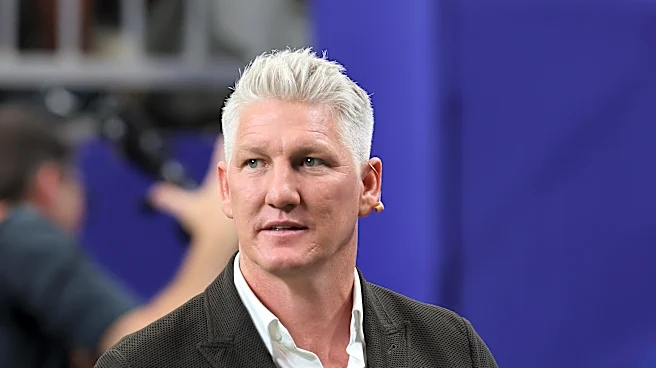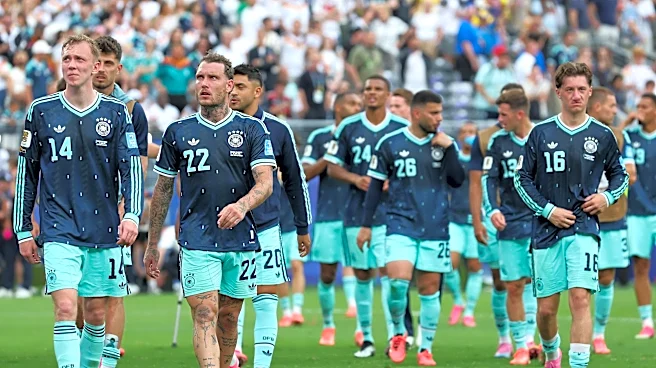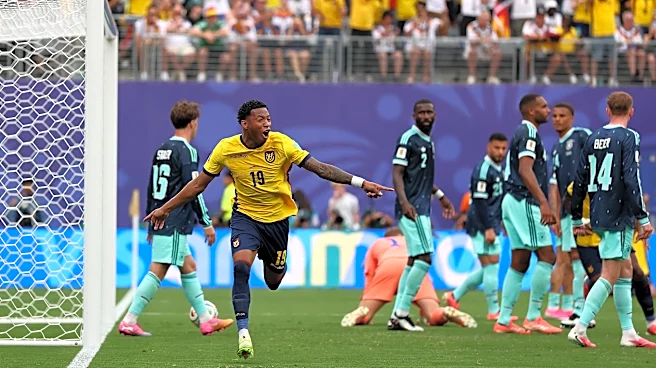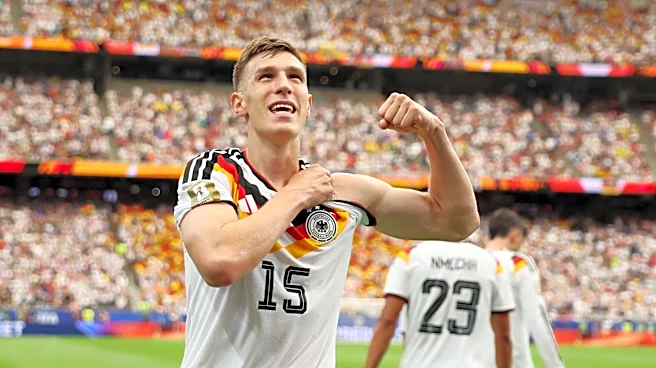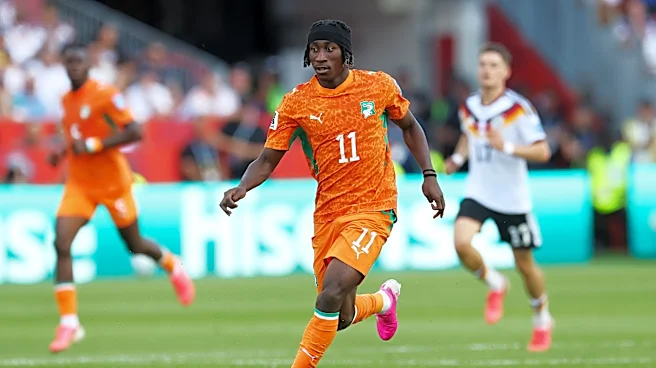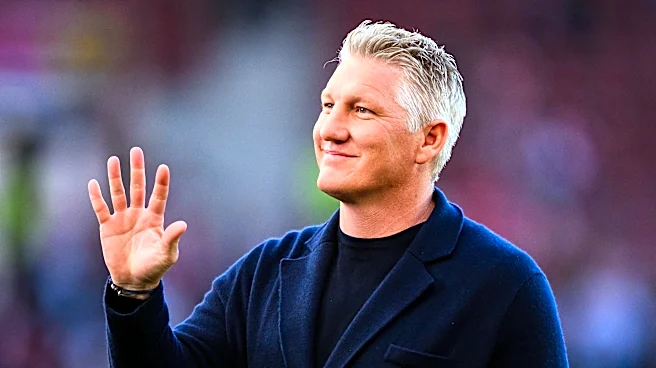




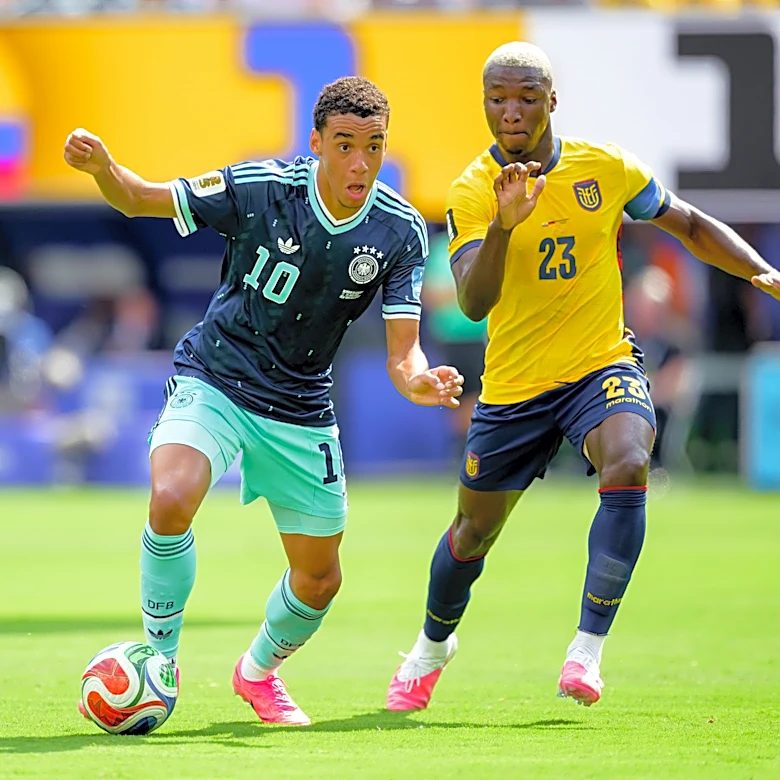
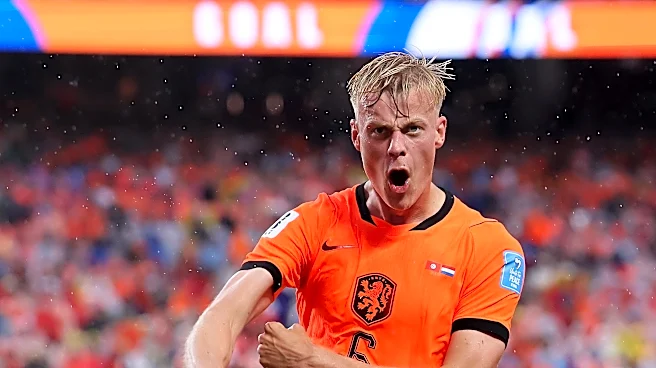


While Germany’s 2-1 victory over Côte d’Ivoire secured them a place in the knockout stage of the 2026 FIFA World Cup, Bastian Schweinsteiger, who earned 121 caps for Die Mannschaft during his time as a player, made waves in the media following his comments on the African nation’s playstyle as part of ARD’s World Cup coverage.
While describing Côte d’Ivoire’s playstyle, Schweinsteiger said, “African football [is] a bit unorthodox, a bit wild, a bit perhaps also not so conditioned by tactics. We must
be prepared for it to be unpredictable.” (as captured by @iMiaSanMia)
This drew the ire of Côte d’Ivoire manager Emerse Faé, who responded with a statement of his own:
I think it’s sad. Schweinsteiger was a very good player. I have always loved him as a midfielder and the way he understood football. When I heard his comments, I was disappointed in the man. It is odd he would speak that way.
We could call it racist if we were calling a spade a spade.
I don’t agree with him, but I have no other solution other than to work with things as they are. All I can show is that on the pitch, African teams are not just physical; we are technical and tactical. I can only hope it is a clumsy statement, rather than something going on in his mind. If that’s what he thinks, he is free to do so.
But we also know that there are lots of former players who become pundits, and they’re all looking to create some controversy. He was a worldwide star, and maybe he was thinking that people have forgotten him. I don’t know, but we’ll move forward and try to forget what he said. (Captured via The Athletic)
BFW Analysis: Was Schweinsteiger in the wrong?
It is clear how Schweinsteiger’s statement can be viewed as problematic. Faé’s claims are certainly not baseless, as one can question racist undertones when African football is described as “wild” and “[un]conditioned by tactics.” Faé was also most certainly offended by Schweinsteiger’s assertion that Côte d’Ivoire, and as Schweinsteiger phrased it, African football in general, is tactically inferior in any sense. There is no doubt that it is a poorly worded statement.
But it is also fairly clear that there seems to be little ill intent on Schweinsteiger’s end. When the statement is viewed at its core, it seems to reference the fact that Côte d’Ivoire deploys a disciplined defensive structure off the ball while relying on unpredictable counters to catch the Germans off guard. The little element of truth in the statement was not conveyed in a concise manner and left room for negative interpretation.
As such, one can in no way fault Faé or fans for feeling attacked. African football has long been subject to stereotypes concerning an overreliance on physicality and a lack of tactical astuity. Aside from tropes amongst fans, institutional biases in media coverage of African sides have also long been highlighted.
One cannot simply dismiss the outrage that has ensued following the statement as an alleged lower tolerance for media issues or a greater likelihood amongst fans to feel offended in the modern day. Pundits like Schweinsteiger have a platform where their analysis and words carry weight, and a statement as such — regardless of his intention — further contributes to a problem that is, in fact, rooted in racism.
Some fans have chosen to defend the statement, highlighting how such descriptions exist for other countries and their styles of play, and while that may be true, the issue at hand is the supercilious nature of Schweinsteiger’s words, and that his description in particular perpetuates a narrative wherein African football is not offered the same level of consideration or is even considered inferior.
The situation serves as a stark reminder of the importance of respect, clarity, and an understanding of the history behind certain sentiments while engaging in discourse. The World Cup has the unrivalled ability to bring people from all backgrounds together, but ignorance and a refusal to consider other perspectives can just as easily cause the inverse.