





Interview brought to you thanks to https://mr-gamble.com/
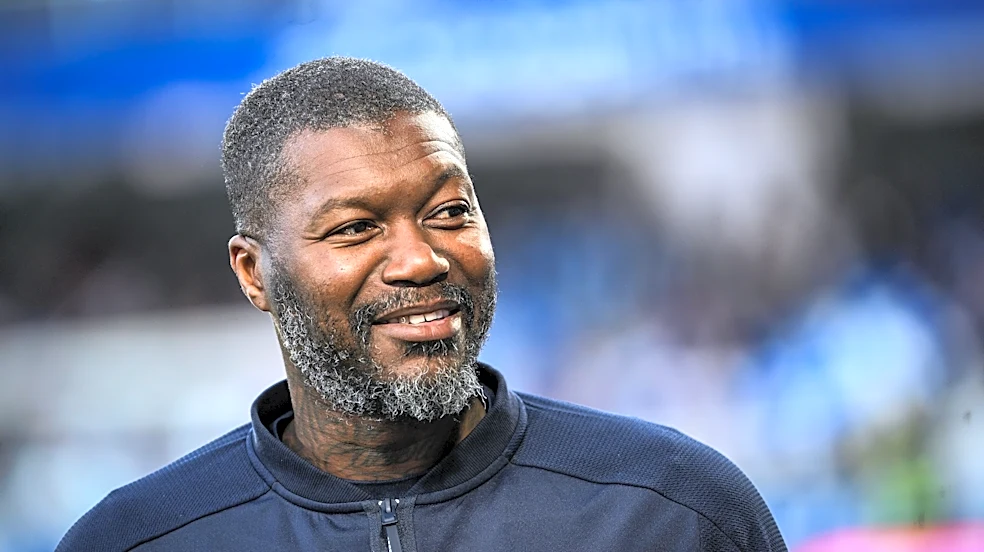
In an exclusive chat with Roker Report, former Sunderland striker Djibril Cisse has shared his thoughts on the club’s recent struggles, the importance of Brian Brobbey, and how we can improve our attacking play.
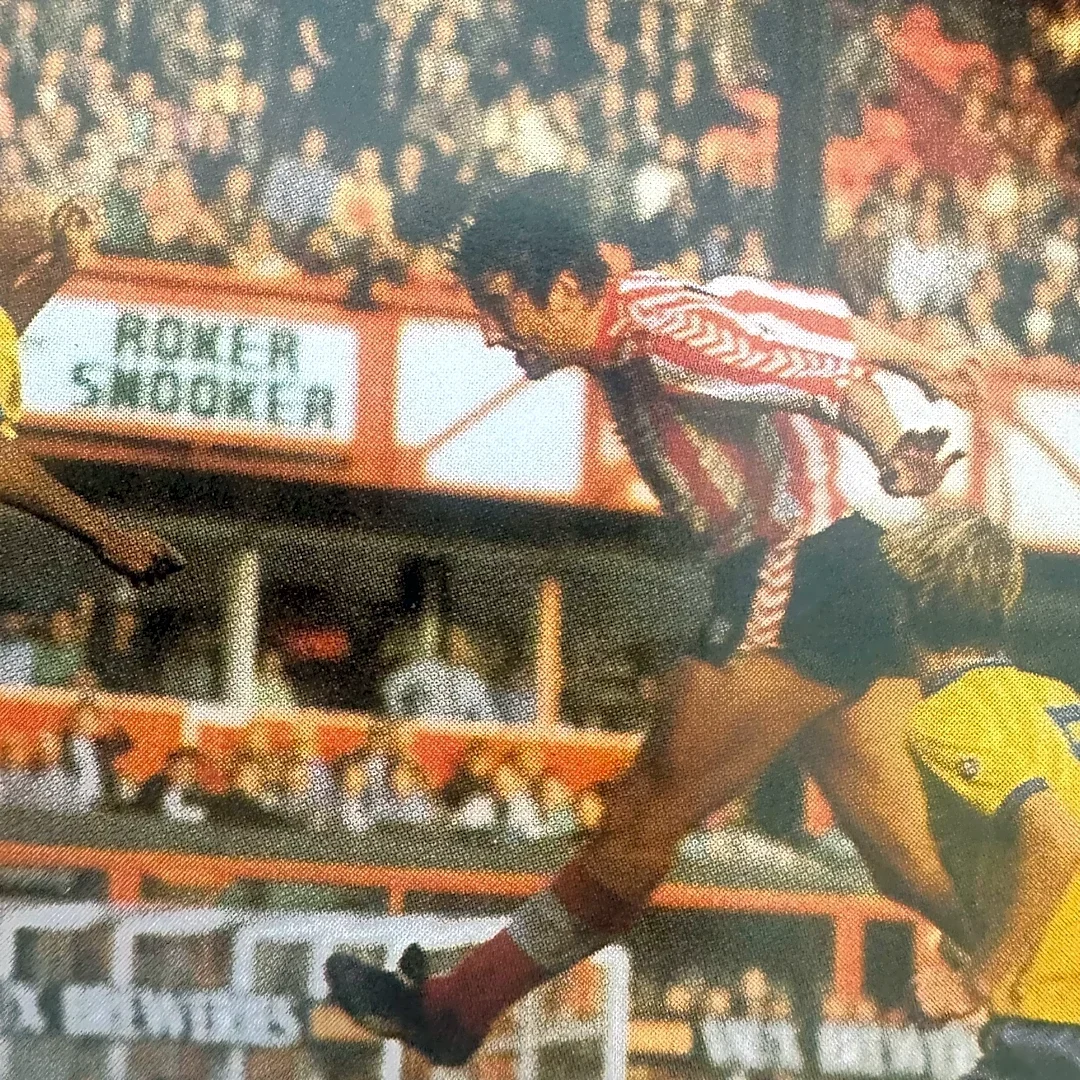
Cisse – who scored 11 goals in a 38-game loan spell on Wearside – believes Sunderland should remain patient with their manager and players as they look to turn their fortunes around.
The former France striker was asked what needed to
happen behind the scenes at the Stadium of Light to help Sunderland get their season back on track, with the Black Cats having endured difficulties in recent weeks.
Cisse believes finding solutions collectively is preferable to making wholesale changes, although he acknowledged that the results must improve.
“I’m not someone who believes in changing everything when things aren’t working,” he said.
“I’m more for getting together, talking, and finding solutions as a group. I’m not a big fan of sacking coaches.
“Obviously, something has to happen because the results aren’t there, but I would still be patient with the coach and the players.”

Cisse explains Brian Brobbey’s importance
Cisse also discussed the importance of having an established striker capable of leading the line, highlighting Brian Brobbey’s contribution and the impact of his absence.
The Dutch forward offers Sunderland a physical presence in attack, with his ability to hold up the ball and contribute goals providing an important option for the team.
Asked how vital it was for Sunderland to have a striker of Brobbey’s profile, Cisse said: “It’s essential to have a striker who will get you 10, 12, 15 goals. For a club fighting to survive, it’s crucial.
“He showed that last season. He knows how to score, how to hold the ball up, he’s a fighter and he brings leadership.
“It’s very important to have a player like that, and when you don’t have him, you feel it.”

Cisse on Sunderland’s attacking play
Cisse also offered his thoughts on the relationship between strikers and wingers, explaining how attacking combinations and movement should be developed on the training ground.
The former striker believes players must understand one another’s movement and preferred routes to goal, while also being prepared to adapt when their usual approach is not producing results.
“That’s where training comes in,” he said.
“Understanding, patterns of play, preferred routes to goal: all of that is worked on in training so it shows in matches.
“And when it isn’t working during a game, you have to adapt. You go and look for the ball, maybe drop deeper to get more touches, make more runs.
“Sometimes you also need to keep the ball rather than always trying to attack. It’s something you build in training, it’s not easy, and it takes time.”