
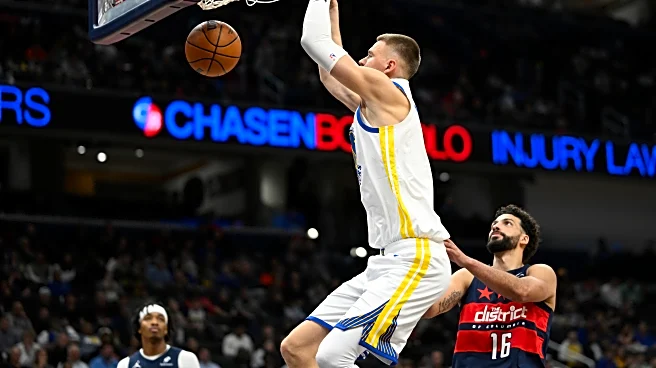
The NBA tanking problem is an utter disaster, and the Brooklyn Nets are a symptom of the broken system.
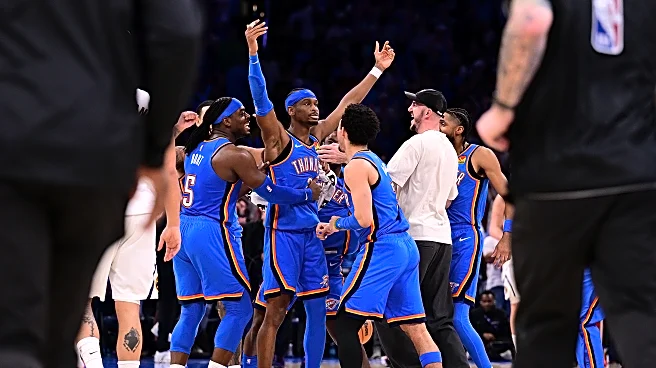
The Nets on Wednesday night lost 121-92 to the Oklahoma City Thunder, by no surprise. That’s not being disrespectful towards the Nets either, it’s just common knowledge that their strategy is completely opposite from OKCs. One is trying to accumulate as many losses as possible, the other is trying to win as much as possible.
Sean Marks, Jordi Fernandez, Joe Tsai and the Nets have caught their fair
share of praise and flack. But it’s not just leadership at play.
They’re navigating a system that rewards losing over competing.
They’ve tanked hard enough to be a bottom-3 team, but for some, it still hasn’t been egregious enough because they’re not the absolute worst team in the league.
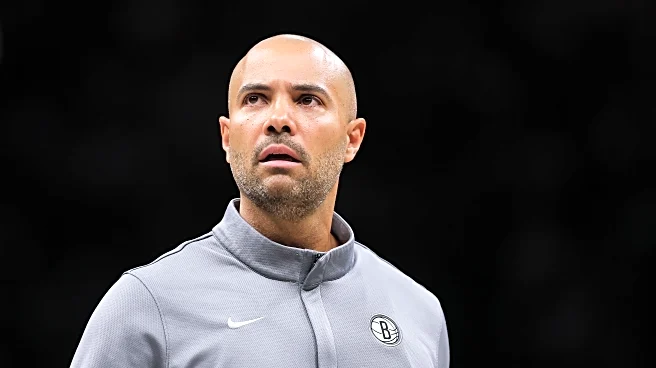
For the Nets, it’s a conflict of interest and that conflict comes from balancing development and draft strategy with the desire to win. Marks and Fernandez both want to win. They have five rookies they need to develop, while scouting and praying they hit the lotto. Fernandez is in his second season as a coach so he’s naturally hungry to win and continue to improve.
The irony, of course, is that under the current system, math doesn’t even guarantee a miracle. Even if the Nets manage to secure one of the three worst records in the league, they are only rewarded with a 14% chance at the No. 1 pick. The league has created a system where teams are forced to torch their culture and disrespect their fans for a reward that is statistically unlikely to actually happen.
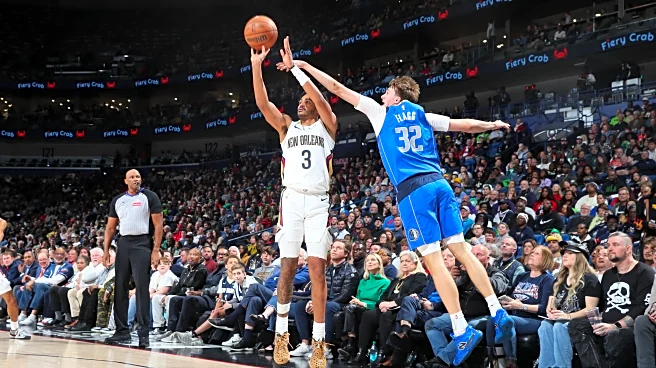
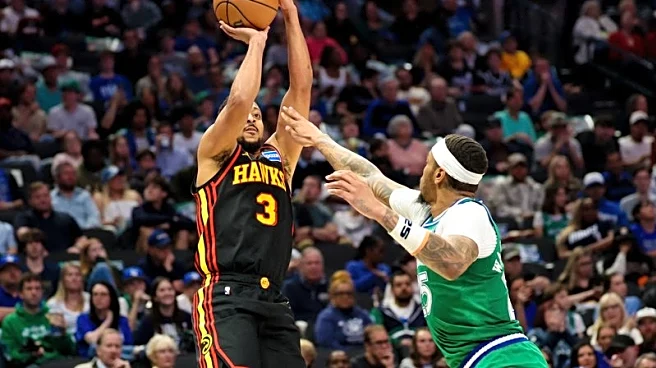
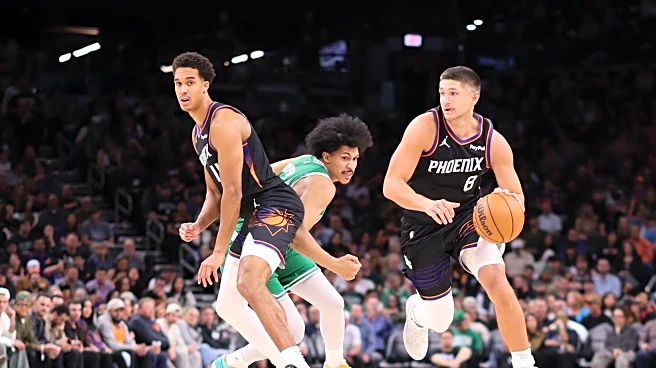
History bears that out: the Pistons had the best record three years running and finished fifth each time. The Mavericks and Hawks vaulted from the play-in to the overall No. 1. Of the top 28 picks in the last seven draft lotteries, since changes were instituted, 11 were won by teams with the seventh worst odds.
We aren’t just watching the Nets get blown out, we’re watching them gamble their dignity on a metaphorical dice toss where the house almost always wins. Take a look at last year.
This creates a bizarre disconnect when you look at the messaging. “He made it very clear ‘I’m going to try and win every game.’ I said great, go for it. The goal isn’t to not compete,” said Marks before the season. “The goal is go out there, develop a culture of competing, playing hard & playing the right way. And that’s what he’s done.”
It was a noble sentiment at the time, but on nights like Wednesday — it feels like a hollow one.
The score was 60-24 at halftime, the fewest points for any team since 2019. At that point they were shooting 1-of-16 from 3 and had three assists to 15 turnovers. Low effort isn’t a habit this team can afford to pick up — it only makes development that much harder. That’s where the frustration comes in.
“I think our readiness to play the game was not there,” Fernandez said after the game.
It’s only one game, but that isn’t exactly reassuring. These are young players who should be hungry every night, regardless of the opponent. Effort shouldn’t be the variable. That’s how bad habits start to form.
Still, there’s only so much blame they deserve. It was pitiful, even shameful – and almost as disrespectful as the game of basketball has been to its fans.
Adam Silver has been open about expansion, which could happen as soon as 2028-29. But while more teams enter the league, more teams are also tanking than ever. As the 2024-25 season wrapped up, five teams lost by 30+ points in one day. The total number of games decided by 30+ points hit 79 at that point, tying the league mark for such games set in 2021-22.
No matter how angry fans want to get at the Nets for tanking — or not tanking — this whole shtick is a necessary evil that’s just flat out wrong. It’s hardly a sport if you reward losing, yet it’s the only way the Nets can navigate this flawed system.
Marks inherited an awful product and we’ll be clear about that. Over the past 10 years, the Nets have lost 50+ games six times, including this season. They’re pushing their third potential 60-loss season during that span with a single playoff series victory to show for it.
This season, it’s impossible to dispute their tanking efforts. They’ve lost by 50+ points two times. It’s happened twice in franchise history before this season — once last year and the other in 1978. They’ve lost by 30+ points six times with 12 games remaining; 20+ points on 19 occasions. have had 12 games this season where they’ve been down 30 or more points at one point or another. Including two straight. It’s a franchise record.
So, for every 10 games that fans watch, roughly three out of 10 are lost by 20+ points. Here’s a look at the 20+ losses from Brooklyn’s season thus far:
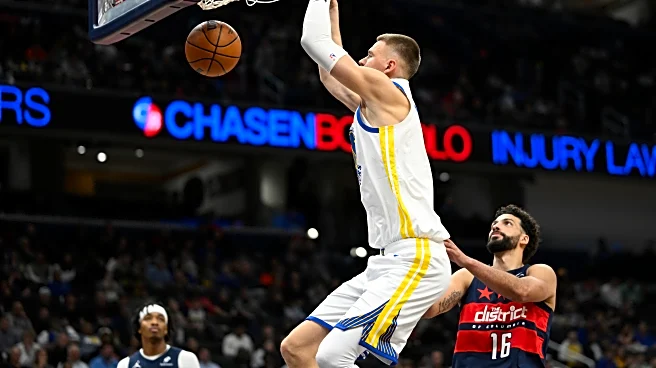
Now, compare this to 20 years ago in 2005-06: the worst team in the league (the Blazers) still won 21 games. While they had their share of blowout losses, they never experienced the absolute disaster we see today. That team didn’t lose a single game by 50 points, a feat the Nets have already accomplished twice this season. They also only lost by 20+ points 12 times compared to Brooklyn’s 19. And that’s when bad teams had better odds to get the first overall pick!
It’s heartbreaking as a basketball fan because it’s deliberate, yet if they finish with a top-3 pick in the 2026 Draft, these games will become friendly reminders when Cam Boozer or AJ Dybantsa slams one home as Barclays Center goes berserk.
But until then, it’s all a dream.
The fact of the matter is that fans pay A LOT of money to watch NBA basketball. Nets basketball to be more specific. Entry-level season tickets are around $2,500 entering 2026-27 (for one of the worst teams in the league). On streaming (if it works), fans pay $299/year to watch Gotham Sports, $29.99/month for ESPN, $11.00/month for Prime Video, and $15.00/month for Peacock. Not to mention subscriptions to read around paywalls for so many sites. Fandom ain’t cheap.
The Nets didn’t create this system, but they’re operating within it and benefiting from it. That makes them part of the problem, too.
The real question is whether the NBA cares enough to fix a system that forces every team to compete. The league seems to have forgotten that the fan is its customer. Until then, every fan, every team, and every game is paying the price.