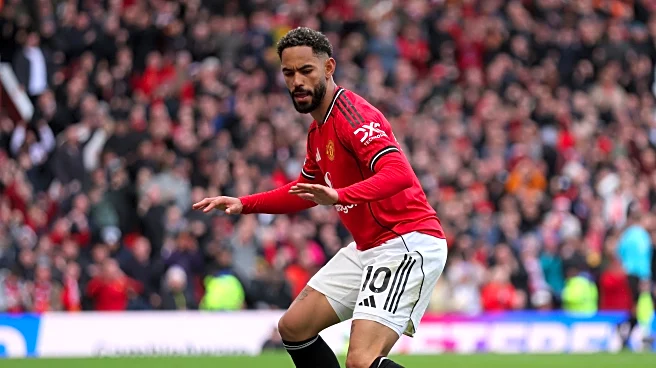




You might already be aware of this – but just in case you’re not – Manchester United are not playing European football this season. In fact they’re not playing any football outside of the Premier League, leaving their calendars quite bare. While many of United’s rivals are dealing with cup matches and midweek European fixtures, Michael Carrick’s squad is only playing one football match a week – if that (United are in the midst of a 41 day stretch where they play just three games).
This workload should
mean that United are very fresh for each and every match. With that comes the expectation that the team should be able to fly out of the gates and jump on opponents right from the start of the match. United are simply not doing this, which has been the cause of a lot of frustration.
The thing is, when it comes to fitness levels and “freshness” we’re looking at the wrong end of the match. It’s not about how you start a match, it’s about how you maintain your fitness levels through the late stages of the match and how you end it. Every team gets tired over the course of 90 minutes. A team that is only a little tired in the 80th minute has a big advantage over a team that’s very tired.
There’s a hint of Manchester United’s 2020-21 team in Michael Carrick’s United. That team had a tendency to work smarter, not harder. They were often criticized for being slow starters and relying on “lucky” comebacks to win games. But the slow starts were by design. United came out apprehensively in matches, taking their opponents punches and letting them tire themselves out. Meanwhile United were working out where the space was and where their opponents weaknesses were.
In the second half United would open the game up a bit more. Their opponents would get a few more chances than they did in the first half but United would blow them away.

Since Carrick took over, United have been a slow starting team – painfully so. Despite the slow starts, they’ve yet to trail at halftime. Then in the second half their superior fitness levels have allowed them to pull away.

We’ve been seeing United’s superior fitness levels all season long. Teams such as Liverpool, Tottenham, Arsenal, and Fulham have all scored late equalizers or go ahead goals against United, only for the Red Devils to come right back and score again. Carrick’s tactical plan seems specifically built around utilizing the fitness advantage United usually have over their opponents.
It’s not always about scoring late. United have scored three “winners” and three equalizers after the 80th minute this season (all comps), that’s less than all but one season since 2020-21 (2022-23). Sometimes it’s more about wearing down a team until you get your breakthrough. By that point your opponent doesn’t haven enough energy to get back into the game. We saw that happen in both fixtures against Crystal Palace this season – both of which came days after Palace played in Europe.
United beat Aston Villa on Sunday by taking advantage of the fact that Villa had played a European fixture Thursday night and they were going to get tired.
United came out on Sunday ready to make Villa work. They had 55 percent of possession in the first half. They outshot the Villains 6-2. They didn’t create any high quality chances, but they were wearing Villa down.
When they came back out for the second half United knew they had the advantage and quickly started pressing it. Within two minutes Amad was bursting in with United’s best chance (that didn’t inexplicably fall to Diogo Dalot) of the match so far.

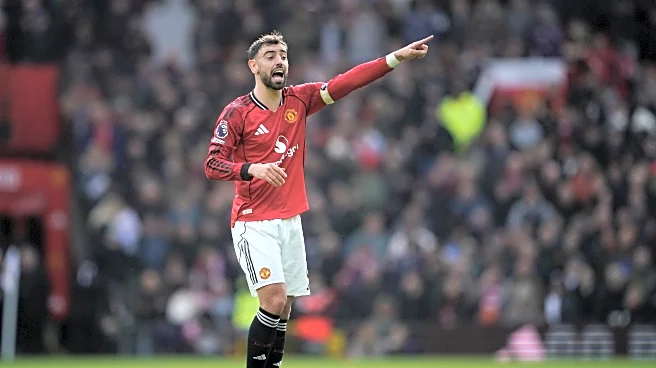
A few minutes later, Bruno was leading a counter attack and playing in Bryan Mbeumo.

And just eight minutes after the restart, United had taken the lead.

With United now leading, an already tired Villa side needed to raise their levels even further now to get back into the game.
They did that. Villa took more shots in the six minutes following the goal than they did in the entire first half. They kept pushing forward, ultimately winning a corner after some lazy defending and a great save from Senne Lammens.

The lazy defending continued on the ensuring corner, combined with Villa pushing hard to keep United under pressure, leading to Villa getting an equalizer.

When you’re tired, your fitness levels deplete exponentially faster than they do when you’re at your 100 percent. Villa had to kick it into another gear when United went ahead, but that also had the adverse effect of depleting their energy levels much faster.
The game might have been level but United knew Villa were tired and they weren’t. That meant they could now turn up the aggressiveness. They could send more bodies forward without as much risk of Villa going the other way. They’re simply too tired.
Within minutes United start getting very aggressive. They were running at Villa’s defenders, and when they lost the ball, they were throwing more and more players forward to try and immediately win it back. It’s a risk that leaves them exposed to a potential counter attack.

But that’s a worthwhile risk. We hear all the time about how you can’t just sit back and defend for 30 minutes or an hour. It’s too difficult, you get too tired, and eventually that tiredness will either lead to you getting beat or a mental mistake that allows your opponent to capitalize.
We rarely hear about the other side of things. Constantly defending makes it really difficult to attack. You need more energy to attack than you do to defend. You need that burst of energy to beat a defender. You need the composure to pick out the right pass and put the right weight on it. Or you need the strength to get everything behind that shot.
Ask anyone who’s played any level of sports. At some point you’ve been in a situation where you get the ball in space but you’re exhausted. When a defender gets to you, normally, you’d just take him on. But this time you’re so tired that when the defender comes you immediately just try to get the ball to a teammate – as if you’re saying, I did my job, you take it from here. Often times your teammate isn’t really open and your more hitting and hoping.
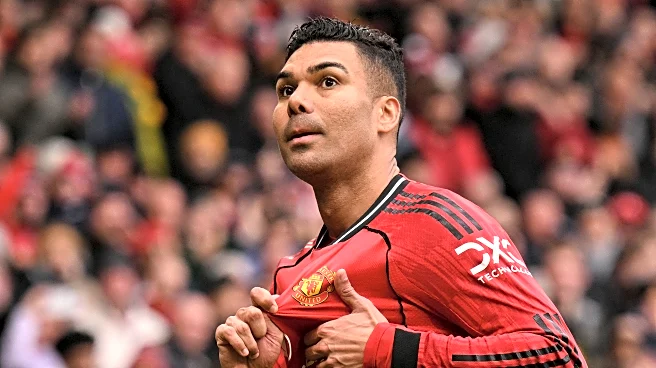
This is exactly what happens to Villa. They play the ball into space. They run all the way up the pitch. When Harry Maguire and Casemiro finally converge on Leon Bailey he looks like giving up. He tries to find a teammate but – as what typically happens in this situation – he mishits the pass and gives the ball away.

There are several inexcusable things that happen immediately following this, one of which is that Leon Bailey shouldn’t have been tired. He came on as a sub just nine minutes ago. He only played eight minutes on Thursday! What’s even more inexcusable is that Villa just don’t get back on defense.
United don’t have a numerical advantage here. When Villa turn the ball over United have six players back with just three Villa players forward. Yet Casemiro just walks up the pitch. There’s nobody near him. There’s nobody trying to get near him.


Casemiro lays the ball off to Bruno who is left with an insane (for the Premier League) amount of time and space. While Villa should be hustling to get back on defense and regain their shape, when Bruno gets the ball there are only eight Villa players in this frame!

Villa are now in a situation where they’re playing a high line and committing the ultimate sin of playing high line – giving time and space to a player to pick out an easy through ball. When you’ve got a players as talented as Bruno Fernandes and Matheus Cunha, this is pretty much handing United a goal.

This all comes from Villa being tired. They were too tired to run a dangerous counter attack, they were too tired to get back on defense. When you’re tired the mistakes aren’t just physical, you make mental mistakes too, like right back Lamare Bogarde failing to follow Bruno out wide and thus giving him time and space. Or Ezri Konsa failing to pick up the run of Cunha and getting blown by.
The more tired you are, the higher the chances of making these types of mistakes becomes. United got more aggressive in order to try and increase the number of situations they’d have where they could pressure Villa into making a mistake. They knew they had the advantage.
For as tired as United might have been, they knew scoring another goal would likely break Villa and they wouldn’t have to worry about Villa pushing for a second equalizer. They were right about that. Villa managed just one more shot for the rest of the game. It came in the 97th minute, 26 minutes after Cunha’s goal.
Manchester United are going to have to figure out how to maintain these fitness levels next year when they’re playing two games a week, but that’s a next season problem. Right now they only play once a week. They have a fitness advantage over their opponents, and they’re doing a great job taking advantage of it.