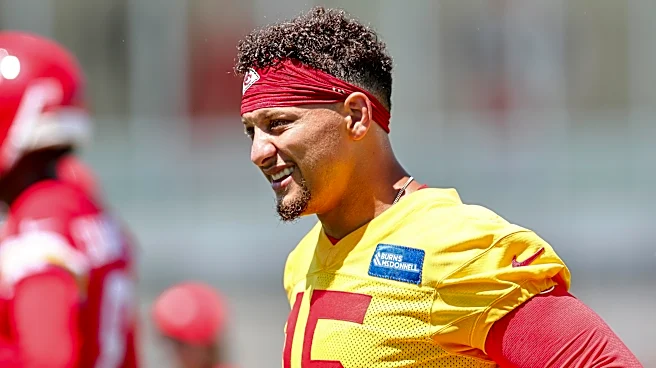



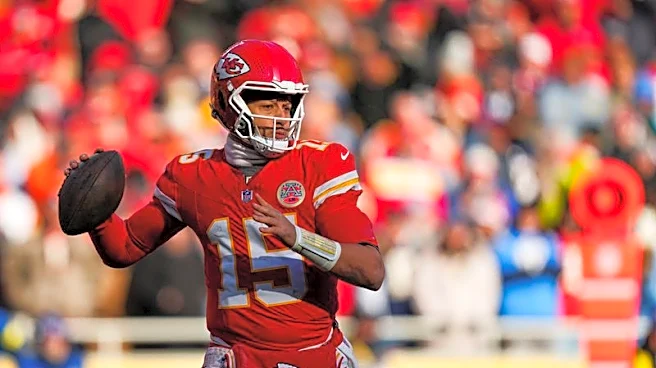


The contract of Kansas City Chiefs quarterback Patrick Mahomes has never been “normal” by NFL standards.
His first long-term extension with the Chiefs was a 10-year deal, signed in 2020. It marked the first contract of that length signed by an NFL player since the early 2000s.
There’s a reason it was a rarity: NFL contracts quickly become outdated, especially for the most premium of positions. The highest-paid quarterbacks in the league have turned into a list of the most recently paid quarterbacks.
One player resets the market, only to be surpassed by the next star in line. On and on it goes.
Mahomes was the next man up when he signed the $450 million, decade-long extension six years ago, becoming the highest-paid quarterback in the NFL.
In 2025, Mahomes’ $45 million average annual salary ranked 14th among NFL quarterbacks.
The fact that Mahomes’ contract quickly became outdated was not a surprise to anyone involved in the negotiations. In many ways, it was part of the plan. Mahomes was never expected to play out the full 10 years of the deal. Instead, the contract was designed to provide the Chiefs with maximum flexibility while still allowing Mahomes to earn the money he clearly deserved.
One way teams create that flexibility is by converting salary into signing or roster bonuses. Earlier this offseason, the Chiefs converted $44.05 million of Mahomes’ 2026 base salary into a roster bonus. The move created immediate cap relief while pushing some of the accounting burden into future years.
That’s where things got interesting.
Bonus money can be prorated over a maximum of five years, but only if the player has at least five years remaining on his deal. If Mahomes had only two years left on his deal, the Chiefs would be limited in how far the cap charges could spread out. Hence, the importance of the long-term deal.
Having five years of team control gives the Chiefs flexibility to maximize bonus proration and avoid relying as heavily on the dreaded void years that many teams use to manipulate the salary cap.
In summary, Mahomes’ contract was always designed to provide the Chiefs with maximum flexibility — but that doesn’t mean the two-time MVP is sacrificing his financial potential. He made sure he would make a rightfully enormous amount of money.
But Mahomes’ contract was set to expire by 2032. As the past few years have ticked away, the Chiefs’ ability to push bonus money into the future naturally diminished. An extension became inevitable. The only question was how long it would be.
The recently announced 8-year, $504 million contract is another outlier deal for Mahomes. He’s once again the highest-paid player in the league, doing so again through an unusually long-term contract that gives Kansas City flexibility in future years.
It’s only possible if Mahomes has complete trust in the Chiefs’ organization.
That flies in the face of recent professional sports trends, in which star players increasingly prefer to exert leverage over their organizations by signing shorter-term, higher-AAV contracts. Those deals allow players to maximize their earning potential while maintaining leverage over their organization. Implicit in any short-term deal is the possibility that a player could walk in free agency.
Not Mahomes.
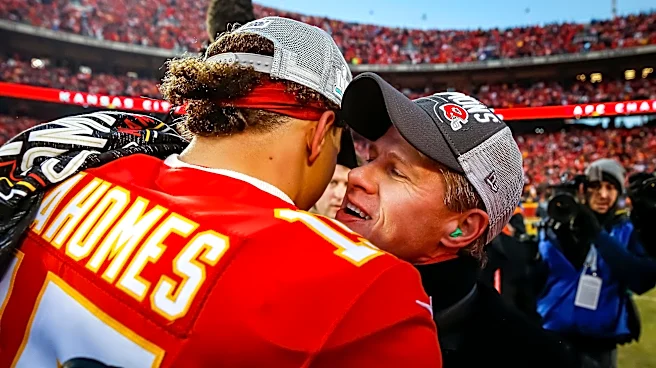
His contract sends the opposite message, and that contract is only possible because of his confidence in the organization’s leadership. More specifically, his confidence in the team’s owner, Chairman and CEO Clark Hunt.

Tight end Travis Kelce and defensive tackle Chris Jones are almost certainly not going to be on the roster by the end of Mahomes’ new deal.
Head coach Andy Reid is 68 years old; will he be coaching the team in eight years? Former Seattle Seahawks and Las Vegas Raiders head coach Pete Carroll became the oldest head coach in NFL history last year at age 74. History would suggest Mahomes signed this contract with the understanding that, at some point, he’ll play for someone other than Reid.
The news also makes it likely the franchise’s all-time quarterback will be part of the transition from Arrowhead Stadium to the new venue across the state line in Kansas.
That’s a lot of change on the horizon. Mahomes appears comfortable with all of it, and it’s only possible if he has the utmost trust in the leadership of the organization.
That trust has been built over years of successful partnership, but it shouldn’t go overlooked. This kind of arrangement has become exceedingly rare in pro sports, especially in football.
The only other quarterbacks to sign a contract with at least eight years of term were Donovan McNabb with the Philadelphia Eagles (eight years, 2002) and Drew Bledsoe with the New England Patriots (nine years, 2001), according to OverTheCap. Buffalo Bills quarterback Josh Allen (six years) is the only other active signal caller with a contract extending beyond five years.
The Chiefs chose Patrick Mahomes with the 10th overall selection in the 2017 NFL Draft. The Chiefs committed to Mahomes as the franchise’s future, and the three-time Super Bowl champion has reciprocated that commitment ever since.