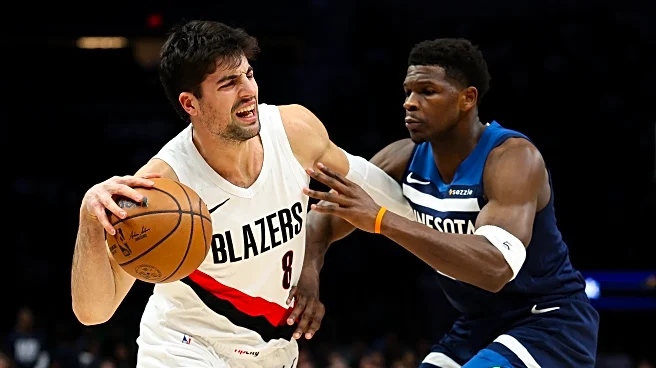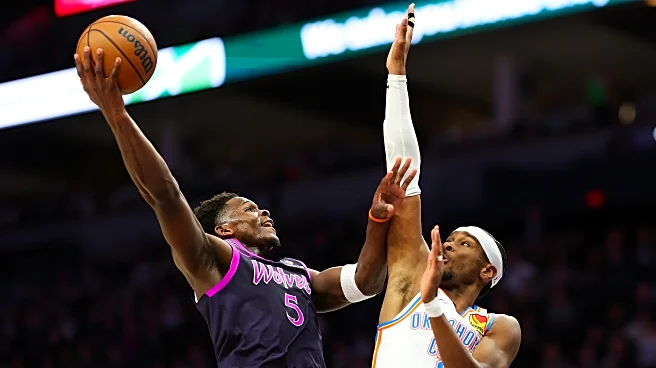

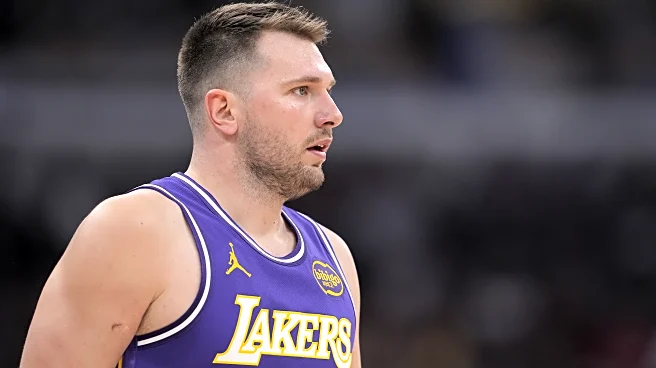
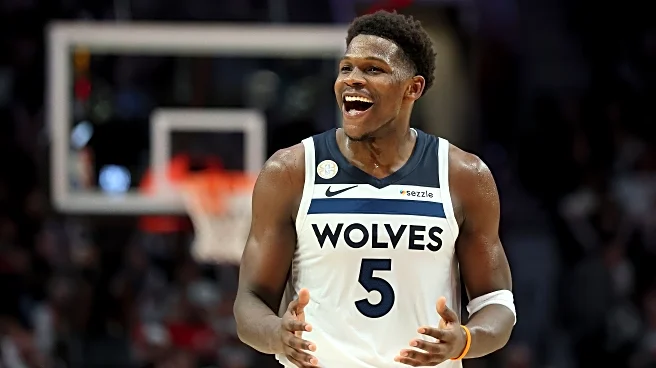
Minnesota Timberwolves vs. Oklahoma City Thunder
Date: January 28th, 2026
Time: 8:30 PM CST
Location: Targer Center
Television Coverage: Prime Video
Radio Coverage: Wolves App, iHeart Radio
After stumbling and bumbling through that four-game skid, the Wolves have finally done the thing you’re supposed to do when your season starts wobbling: beat the teams you’re better than.
They took care of the Warriors’ B-squad. They handled a Dallas team that’s basically running on duct tape, vibes, and a “game-time
decision” prayer circle. And yes, I can already hear the cynics: “Congrats on beating the JV.” Fair. But the Wolves just spent two weeks losing to teams they had no business losing to, so at this point, competence counts. If you’ve been drowning, you don’t scoff at a life raft because it isn’t a yacht.
Now the yacht pulls into Target Center.
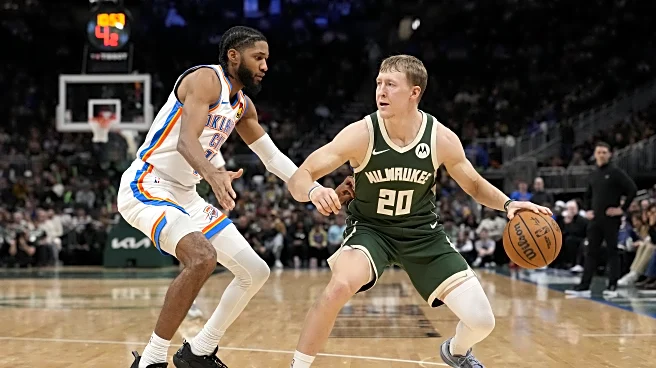
Oklahoma City is here. The Thunder. The team that ended Minnesota’s season last spring and then strutted away like they owned the place. The team that lives in your head a little bit if you’re a Wolves fan, because you can feel the matchup lurking behind every Western Conference standings update. And the cruel little twist is that Minnesota is on the second night of a back-to-back, while OKC is sitting there with fresh legs, smirking, like the villain who shows up in the third act after the hero already fought two battles.
The saving grace: OKC is banged up, too. No Caruso. No Jalen Williams. No AJ Mitchell. That’s real. Those guys matter. Their absence takes some of the teeth out of their “endless waves of athletic chaos” thing. But Minnesota certainly doesn’t get to treat this like an injury math equation and assume the answer is “W.” Because this Wolves team has spent the last ten days proving that if you give them an opportunity to step on a rake, they will not only step on it, they’ll do it twice to make sure it works.
So yeah, this is a big one. Not just because it’s OKC. Not just because it’s a revenge game. It’s big because it’s the kind of night where you find out whether the Wolves are actually back on track… or whether they’re just temporarily behaving because the last two opponents showed up with missing pieces and no real leverage.
And with that, the keys.
#1: You have to win the energy battle before you win the basketball game.
Minnesota is on tired legs. OKC is built to punish tired legs. They turn games into a cardio test, and the Wolves can’t come out like they’re running on fumes. They need to start the game like they’re trying to erase a memory. First loose ball? That’s theirs. First 50/50 rebound? That’s theirs. First time SGA tries to snake into the lane and slow-dance his way into a foul? Somebody has to hit him with a legal, grown-man “nope.” Not dirty. Not reckless. Just present. Because if the Wolves start this like they started Utah’s fourth quarter or Chicago’s fourth quarter or that Warriors matinee disaster, this turns into one of those nights where you’re down 14 and the announcers start talking about “body language.”
#2: Swarm Shai
Here’s the deal with SGA: you don’t “stop” him. You shape him. You make every touch feel like a negotiation. You send size, you show bodies, you make him see two defenders at the nail and a third lurking like a tax auditor. And with OKC missing secondary creation, the Wolves have an actual opportunity: turn this into the “somebody else beat us” game. That means McDaniels treating Shai like a full-time job, Ant taking his turns with real pride, and Rudy being the bouncer at the rim. But the key is discipline. No dumb reach-ins 30 feet from the hoop. No bailout fouls after good defense. Shai wants you to get frustrated. He wants you to lunge. He wants you arguing with the refs while he’s calmly walking to the line for his nightly routine. Minnesota has to defend him with menace and patience.
#3: Keep the ball moving
The Wolves’ worst habit, the one that shows up whenever the game gets uncomfortable, is the “my turn/your turn” offense where Ant dribbles, Julius dribbles, everybody else becomes a spectator, and suddenly you’re taking a contested stepback that clangs off the rim. OKC loves that. They’re built for it. They’ll load up. They’ll dig. They’ll swipe. They’ll turn one predictable drive into a turnover and two points the other way before you’ve even finished complaining. Minnesota has to play the version of offense that shows up when they’re serious: quick decisions, early actions, extra pass, drive-and-kick, the ball snapping side-to-side so OKC has to rotate instead of hunt. The Wolves don’t need to play “pretty.” They need to play connected. Because connected offense creates the thing that saves tired teams: easy baskets. Layups. Lobs. Corner threes where you don’t have to summon your legs from the afterlife.
#4: Own the glass and punish them inside.
OKC is tough, but Minnesota has the size advantage, especially if Rudy’s available. And this can’t just be “we’re bigger” in theory. It has to show up as second-chance points, as bruising box-outs, as possessions that end with the Thunder walking back slowly because they just got hit with three straight offensive rebounds and a Rudy putback. Julius and Naz have to play like it matters. Not “grab a rebound if it bounces to you.” I mean: go take it. The Wolves have had stretches this season where rebounding looked optional. This is not that night. OKC’s whole thing is extra possessions created by pressure. Minnesota has to counter by creating extra possessions the old-fashioned way: being bigger, stronger, and more intentional for 48 minutes. Make them feel every trip.
#5: Don’t donate points. Not with turnovers. Not with free throws. Not with brain farts.
This is where Wolves fans start getting PTSD flashbacks. The season has been dotted with these games where Minnesota basically leaves 8–12 points on the table and then loses by five. You can trace entire losses back to “couldn’t hit free throws” or “threw the ball away four times in six possessions” or “gave up a corner three in a situation where literally everyone in the arena knew a corner three was coming.” Against OKC, those mistakes aren’t just mistakes, they’re multipliers. Because a Wolves turnover isn’t just “lost possession.” It’s a Thunder runway dunk, a crowd deflater, and a little surge of confidence that turns into a 9–0 run before you blink. Minnesota has to value the ball like it’s the last slice of pizza in the box. And yes, I’m saying it again: hit your free throws. You cannot play the best team in the conference and treat the line like a haunted house.
And now the part that matters: the finish.
This is the kind of game that tells you what the Wolves are. Not in an abstract, “what’s your identity?” press-conference way. In a very real, very tangible way. Because the Wolves have spent January being two different teams: one that looks like a contender when it’s locked in, and one that looks like it’s trying to speedrun a first-round exit when it’s not. They’ve looked unstoppable for stretches with swarming defense, bully-ball size, and Ant playing like a bonafide top five superstar. And then they’ve looked like a group project where everyone assumes someone else is doing the work.
Beating OKC tonight, on tired legs, with all the scar tissue from the last two weeks, against the team that ended your season, wouldn’t just be a win. It would be a statement that the Wolves are done playing with their food, done playing with their emotions, done playing with the “we’ll flip the switch later” fantasy. It would be Minnesota grabbing the season by the collar and saying, “No. We’re not doing this again.”
Because here’s the truth: the West doesn’t care about your intentions. The standings don’t give partial credit for “we played hard.” Nobody is going to remember that you almost stole Houston without Ant, or that you almost completed the Spurs comeback after spotting them a 48-point quarter. All anybody will remember in April is where you landed, and who you had to play because you landed there.
This is one of those nights where you can feel the fork in the road. You win, and suddenly the last two weeks start looking like a slump you survived. You lose, especially if you lose the sloppy, sleepy, self-inflicted way, and it becomes another entry in the Wolves’ long scrapbook of “we had a chance to grab something real and we blinked.”
Target Center’s going to be loud. The Thunder are going to be annoying. Shai is going to do Shai things. The Wolves are going to get tired.
So what?
If you’re serious, you win anyway.