

There has been a lot of talk about Dana Brown over the last week and rightfully so. He is on the chopping block and what was done or not done at the deadline will go a long way in determining whether he will be back in 2027 or not. I already commented about the issues he had to deal with at the deadline. However, I have tried to remain as even-handed as possible.
All trades have to be evaluated on a number of different levels. We now know that the Astros also got 1.7 million dollars in addition to getting
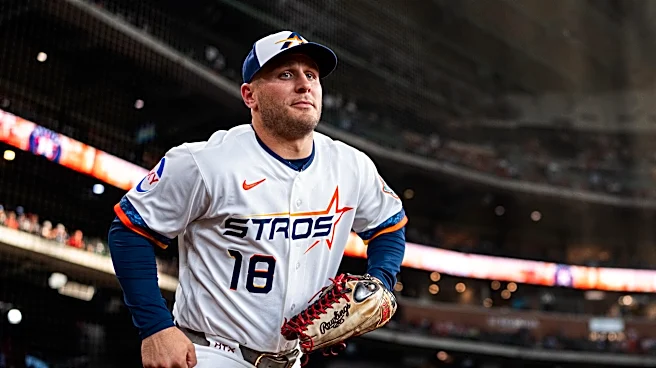
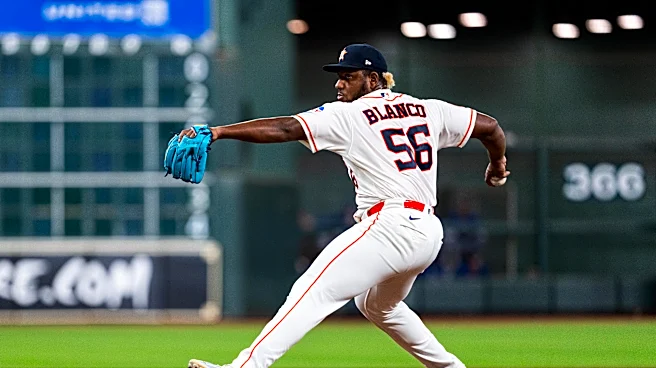
Daulton Varsho. Essentially, that kept them from surpassing the tax threshold and depending on how you feel about Spencer Arrighetti’s future, the deal looks like a win. If you believe that Arrighetti had no real future in the organization then you were getting something for nothing. Those are always wins in the strictest sense.
However, that is not the only way to evaluate a trade. Another way to evaluate a trade is to ask what could have been possible at the same price. Supposedly, the Astros could have had Dylan Cease for Arrighetti and three prospects the previous season. How good were those prospects? Would that have been a better haul? Could Arrighetti been involved in another deal for another outfielder this season? We will never know the answer to those questions.
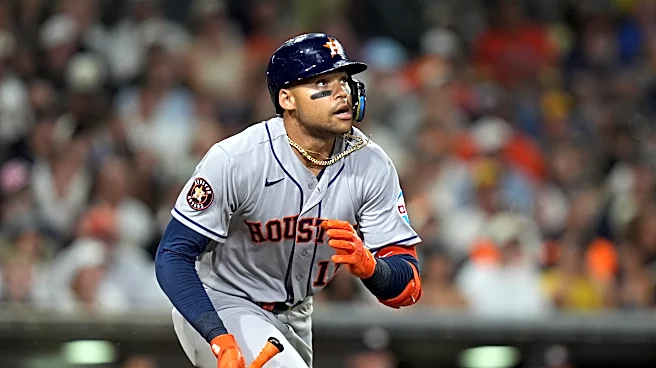
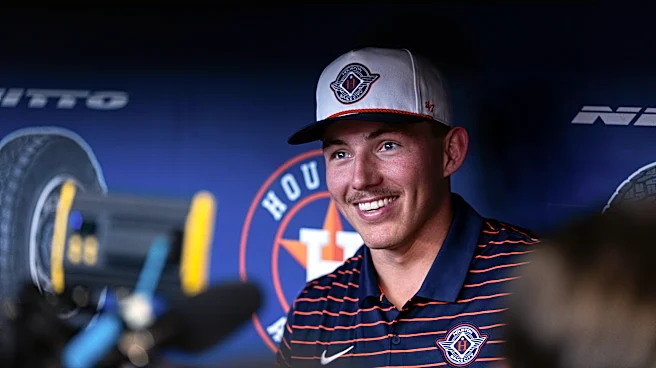
One of the charges that we did not address in the last piece was Brown’s preoccupation with specific players and specific profiles. His crusade for a lefty bat has been long documented, but it could also be said that he targets specific players. He admitted to scouting Lamont Wade Jr. for three years. He also alluded to the fact that he had been in on Varsho for awhile as well. Sometimes, we can be blinded when we become obsessed with certain players. In both cases, you could claim that their best days were behind them. Obviously, Wade has done some good things in Houston and the book has not been written yet on Varsho.
However, in this piece we will look at the obsession with getting a lefty bat. Is that really what the Astros outfield needed? We know Yordan Alvarez famously hits both righties and lefties. Those hitters are rare and they are paid top dollar for that ability. Most hitters struggle against one or the other. We can look at splits for this season and for their career. There are positives and negatives to focusing on one over the other.
When we look at this season we are looking at the here and now. One of the points I have made is that I start to look at numbers around Memorial Day. Each season exists on its own as a living and breathing thing and managers get burned when they focus on the “back of the baseball card.” Yet, some of these players have limited plate appearances. For instance, Wade has fewer than ten plate appearances against lefties this season. So, looking at those splits for him should be taken with a grain of salt. So, we will focus on career numbers. We will start against righties and then move to lefties. Pay close to attention to what these numbers say.
SLASH numbers against righties
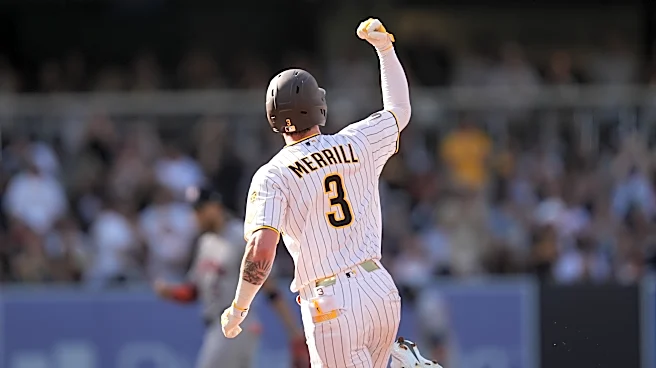
The Astros have no shortage of outfielders and most of their outfielders are capable of playing multiple positions. The good news is that this allows them to mix and match to put the optimum group out there both offensively and defensively. Obviously, some of it works both ways. Smith is a Gold Glove level right fielder, so even though his OPS against righties is worse than most, you do get some positive value from putting him in the game. Still, if the league average OPS is .720 (as it is this season) then the Astros are capable of putting four guys out there that are close to or above the league average in OPS.
Wade cannot play in center, but the other three can play all three outfield positions. Wade can play in left field, right field, or first base. So, if you are looking strictly for offense then some combination of those four outfielders should be in the game against right handed pitching. Naturally, that means sitting Cam Smith on most nights, but every team has these choices. It represents the difference between perception and reality and it goes to evaluating whether a manager is really putting his best nine out there often enough. Let’s see what happens against lefties.
SLASH numbers against lefties
So, you have two guys here producing at a league average clip or better in their careers against lefties. Varsho isn’t terrible considering he is left-handed, but it seems like the Astros outfield is a little heavily slanted to the left side already. So why were we continuing to look for left handed hitters? I mentioned the concept of opportunity costs earlier. Maybe you cannot acquire multiple guys with the assets you had. Maybe you were only able to acquire one outfielder. Let’s compare Varsho above with Taylor Ward that went from the Orioles to the Mariners.
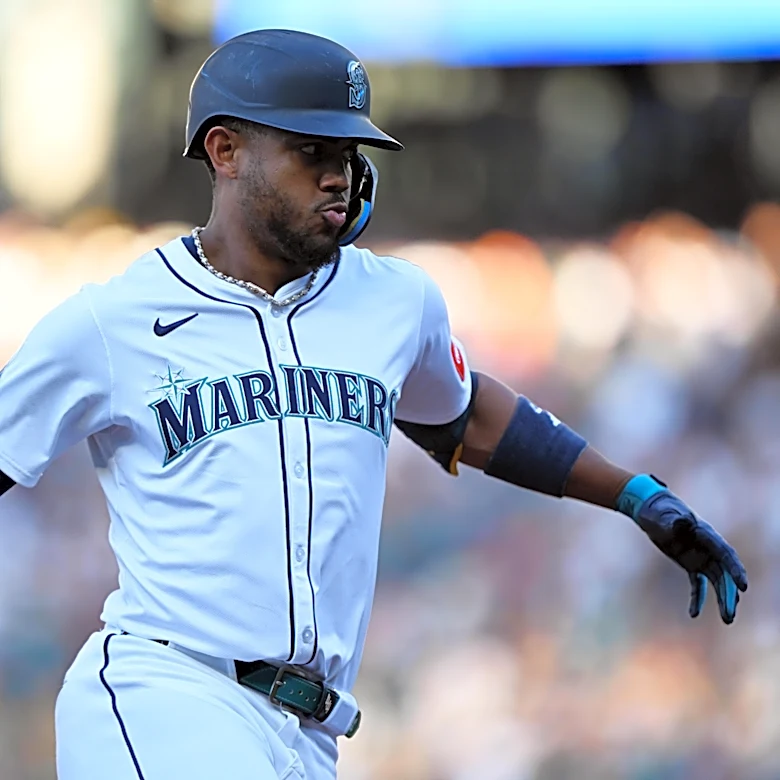
The Mariners traded two prospects and a relief pitcher. Both prospects were outside of the Mariners top 30 according to MLB.com. Obviously, we have no way of knowing whether they would have had any interest in Arrighetti. However, if we assume he is more valuable than the reliever that went the other way then we could surmise that the Astros could have made such a deal while throwing in one prospect outside their top 30. Let’s look at the career numbers for Ward.
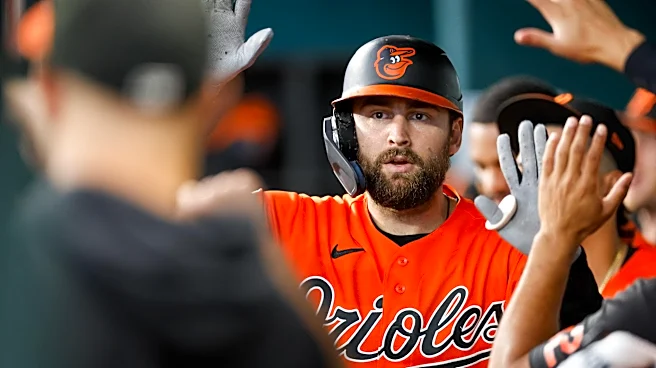
The numbers aren’t quite as good this season against righties, but has been as good against lefties as the career numbers would indicate. Plus, he leads the league in walks so he would be a more appropriate player to put towards the top of the order than Varsho. However, Brown had to get his white whale. He had to get his lefty bat even if that wasn’t what the Astros really needed.
The best way to characterize the criticism of Brown is not to criticize what he did. The vast majority of his moves either worked out or made overwhelming sense at the time they were made. Varsho is likely more positive than negative as well. However, he clearly has failed to do things he said himself that he wanted to do. He also has failed to address deficiencies because he has been hyper-focused on the wrong things. This outfield needed a righty bat to balance it and the numbers above demonstrate that.