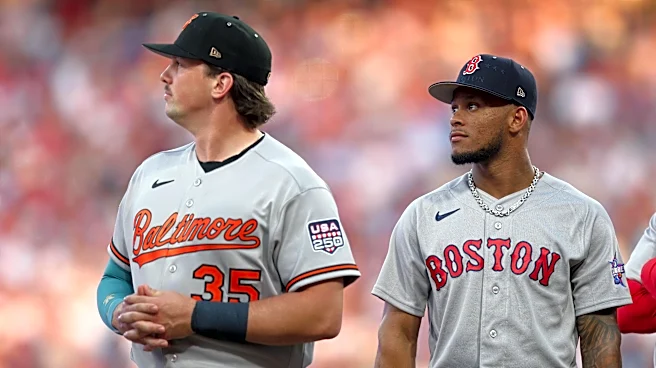






The Orioles have saved their season (for the time being) with this current seven-game winning streak. The wins haven’t all been pretty, but they’ve gotten the job done and climbed the team back into the thick of the AL playoff race. It has also set the stage for a massive midweek series in Boston that has the potential to put the O’s back above .500 for the first time since Opening Day and in sole possession of a wild card spot.
Throughout this streak there have been plenty of oddities that small
sample baseball is known for. Are they sustainable? Almost certainly not. But they are fun to examine to help explain why the stars may have aligned and allowed this imperfect Orioles squad string together so many wins in a row.
1.80 team ERA
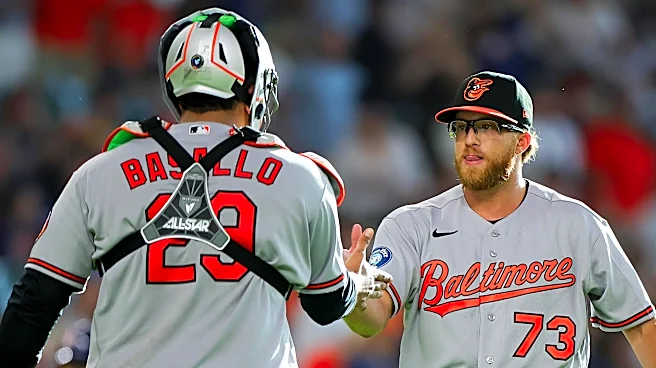
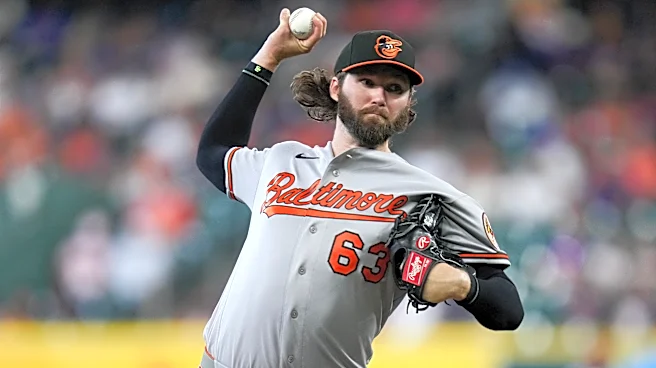
While the offense has been solid during this win streak, it’s the pitching staff that deserves most of the credit for making it happen. They haven’t allowed more than three runs in any one game, and have given up two or fewer runs in six of the seven wins.
Their 1.80 team ERA in that stretch is the third-best in baseball. Only the even hotter Red Sox (1.73 ERA) and the surprising White Sox (1.31 ERA) have been better since July 9. By the way, the Orioles 2.95 FIP is better than both of them, second in the league in that time.
Of course, you can dissect that ERA number a few different ways to find positives and negatives. For example, their 3.42 xERA in that same span is more pedestrian, though still good. Or how the starters seem to be legitimately good (2.38 ERA, 2.69 FIP, 3.12 xFIP), while the relievers are making it work with smoke and mirrors (0.77 ERA, 3.40 FIP, 4.49 xFIP).
But you can’t argue that the outcomes have been exactly what you want, and perhaps the Orioles were due a bit of good luck from the baseball gods after enduring a some undue struggles for much of the year.
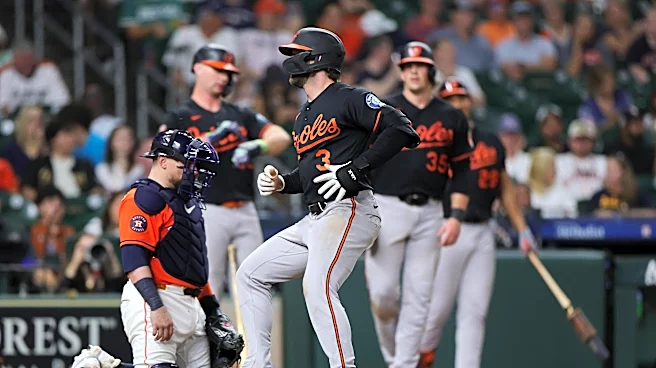
Gunnar Henderson’s 61 wRC+
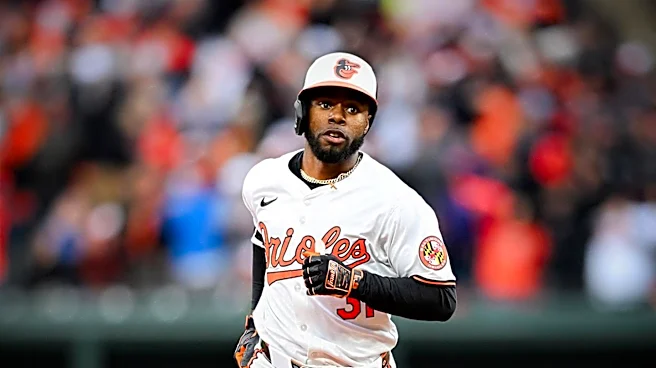
The struggles of the Orioles star this season are nothing new. He’s had a few nice moments here and there, but has failed to sustain any sort of positive momentum. The month of July has been his absolute low point.
Since the calendar flipped, Henderson is hitting .170/.237/.226 with one home run, 14 strikeouts, and three walks. Things haven’t been much better when you trim the timeline down to just the Orioles’ seven-game win streak. In that time he is slashing .207/.258/.310 with the one home run, 10 strikeouts, and zero walks.
It feels like the Orioles are banging their head against the wall with Henderson. Despite his struggles, he continues to occupy a prominent spot in the batting order and be given the MVP-type treatment. It’s understandable given his track record prior to this season. But the results haven’t improved, and it feels like something a bit more drastic could help.
That’s not to say Henderson should ride the bench. He’s played a nice defensive shortstop this season, and is an important base running threat for the team. He also has not been unplayable bad at the plate or anything, but his 91 wRC+ for the season does suggest he has been below average. Hitting a bit lower in the order doesn’t feel unreasonable at this point.
What’s relevant to this blog, however, is that despite their star mightily struggle with the stick, the Orioles are winning games. They’ve scored 34 runs in these seven games, which is just below the five runs per game threshold that good teams are aiming for. If they could get just a bit more from someone that is supposed to be leading them, the ceiling is there for this team to go on an even longer run of winning baseball.
Coby Mayo’s .714 slugging percentage
Maybe the Orioles don’t have a future all-star third baseman on their hands with Coby Mayo, but (for 2026, anyway) they have one of the league’s absolute best hitters against left-handed pitching. That’s something they can work with.
O’s manager Craig Albernaz has leaned more and more into using Mayo almost exclusively against southpaws. It’s working. Mayo’s 204 wRC+ against left-handed pitchers this year is the best mark in baseball. His 10 home runs off of them are second in MLB, behind just Kyle Schwarber, who has nearly double the plate appearances and only two more homers.
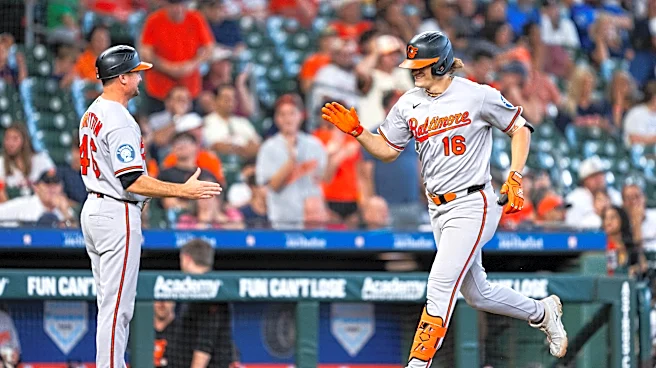
Mayo is 4-for-14 during the Orioles win streak with five strikeouts and no walks. Two of his four hits have left the park. His latest round-tripper came on Sunday, when he took the left-handed Bryan King deep for his 13th total homer of the year. The sort of all-or-nothing approach was en vogue a few seasons ago, but it can still work at times, as Mayo is proving.
Ideally, Mayo would be an everyday option that, despite some defensive concerns, you would be confident playing against any pitcher. But that isn’t the reality, at least not right now for the 24-year-old. For much of the season, the Orioles refused to acknowledge that, playing him at third base most days regardless of the matchup. But now, when they need as many wins as possible from the rest of their schedule, they have relented and moved him to a platoon role. The team is better for it.
Four different pitchers have recorded saves
The addition of Ryan Helsley at the back of the Orioles bullpen has not gone as anyone would have hoped. The hard-throwing righty is on his second IL stint of the season for elbow discomfort. That has limited him to just 15.1 innings this season and a 4.11 ERA. For now, the team is unclear on if he will pitch again this season. On Sunday, he was moved to the 60-day IL, which will keep him on the shelf through the end of August at least.
In his absence, it seems as though Albernaz won’t be naming a replacement closer. No one on the current roster really fits the role anyway. Andrew Kittredge is the veteran of the group, but his season has been a bit bumpy. Tyler Wells has closer experience, though it came several years ago. And a few other guys may have “closer stuff,” but it’s always a risk to put that kind of pressure on an unproven arm.
The Orioles have had five save situations during this seven-game win streak. Four different pitchers have been called on in those scenarios. Kittredge has two of them, and then Wells, Grant Wolfram, and Cam Sanders have one each. Sanders was optioned on Sunday anyway. That’s a good illustration of just how improvised the current ninth inning situation really is.
If the Orioles do decide to buy at the deadline, bullpen has to be at the top of their wishlist. What’s working right now probably won’t a few weeks from now. Maybe they don’t have to outbid everyone for the top closer on the market, but they will certainly have to be aggressive. Helsley’s return is no guarantee, and he can’t be relied upon anyway. Maybe Félix Bautista will make it back on a mound by season’s end, but the team would have to be careful with him. Adding an arm with ninth-inning chops will need to be a priority.