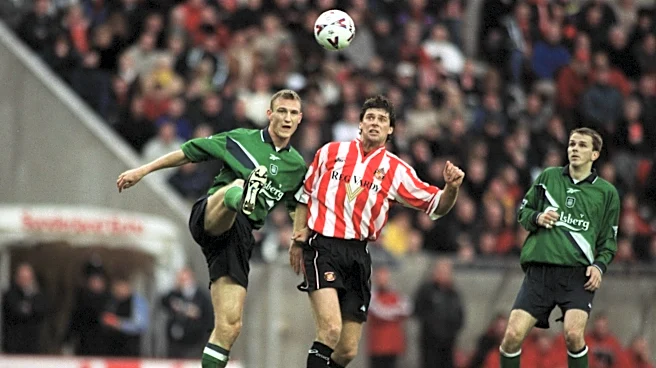




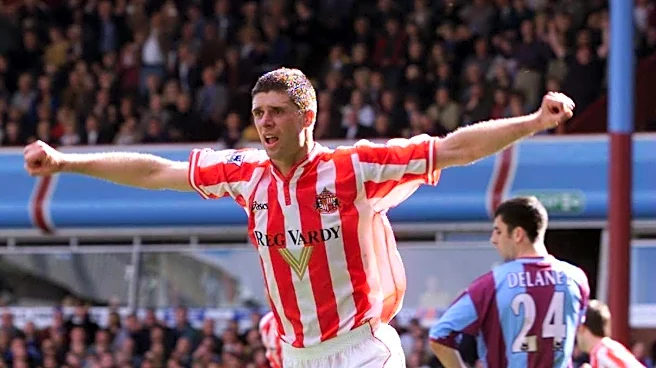
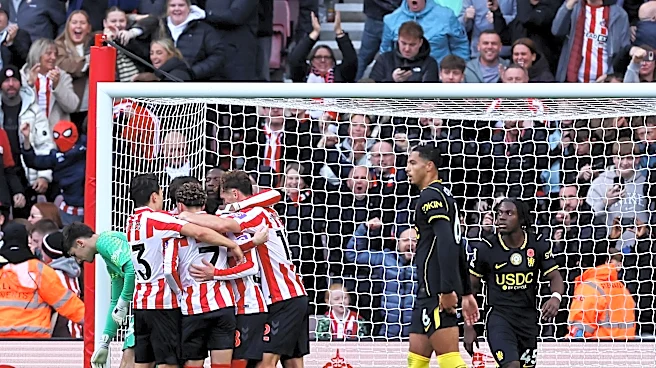
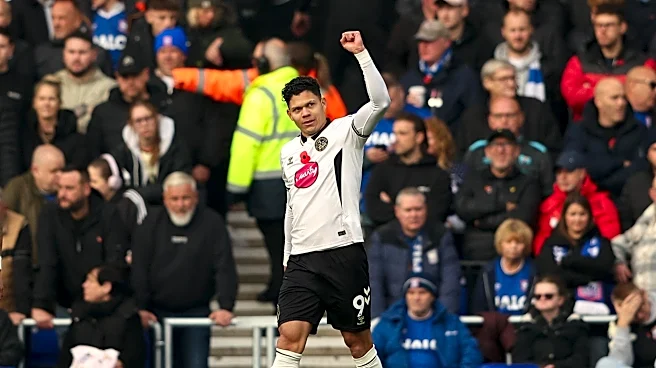
The 1999/2000 season was quickly becoming one of Sunderland’s greatest in recent times, with the team sitting pretty near the top of the table after a hugely impressive start to the season, whilst a year-long unbeaten home record remained intact.
Not since 21st August 1999 had Peter Reid’s Sunderland tasted defeat in the FA Carling Premiership, but that run would come to an end when Liverpool came to town on this cold November day, with young striker Michael Owen continuing his rise to fame as England’s
great new hope.
Truthfully, this was a game that Sunderland could – and most certainly should – have won given the number of chances they created. The fearsome duo of Niall Quinn and Kevin Phillips had a hatful of opportunities throughout the game, whilst the away side had their goalkeeper Sander Westerveld to thank for a number of incredible saves, one of which was a particularly sensational effort to tip Phillips’ header over the bar with Liverpool 1-0 up.
After the game, Peter Reid had very few complaints about his side’s performance but rued their uncharacteristic lack of ruthlessness in front of goal, given their success thus far in the season.
“We didn’t stick them in. If you don’t take chances you don’t win games.”
The first half was largely characterised by our lack of conviction in front of goal and, whilst Niall Quinn had Liverpool defender Sami Hyypiä all over the place, the Irishman was consistently failing to capitalise on the opportunities that came his way and was guilty of spurning the best chance we created in the opening half.
The Republic of Ireland international muscled his way into the penalty area and chipped Westerveld, only for Rigobert Song to clear off the line.

His strike partner Phillips was not faring much better, and these missed opportunities were all the more disappointing given how much Liverpool struggled to bring their own star striker, Michael Owen, into the game during the first half.
Things didn’t get much better for our attackers as the second half got underway, with Nicky Summerbee’s inch-perfect cross being headed just wide by Phillips. With yet another chance going begging, Reid must have been wondering whether it was going to be our day and, against the run of play, the aforementioned Owen finally got his break.
A long ball upfield left Owen and Darren Williams in a footrace and, with Williams looking somewhat hapless and clumsy in his attempts to deal with the bouncing ball, the England striker nipped in ahead of him before dinking the ball over Thomas Sørensen to round off what was a brilliant solo goal.
The goal certainly aggrieved the home support, perhaps in part due to Owen’s rather overzealous celebrations, but it was a real kick in the teeth given the performance we had put in with little to show for our efforts.
Reid opted against making any changes in response to the goal, but his side continued to plug away, with Phillips’ aforementioned glancing header looking destined for the back of the net had it not been for Westerveld’s heroics.
Quinn also went agonisingly close with another header, but with five minutes remaining, Liverpool put the game to bed and, in doing so, brought Sunderland’s impressive unbeaten home run to an end.
Patrik Berger made sure of the points with a powerful finish following a run and cross from substitute David Thompson, who was inexplicably allowed to run free by Michael Gray, the Sunderland full-back appearing to slow to a complete stop after Thompson had cleverly evaded him.
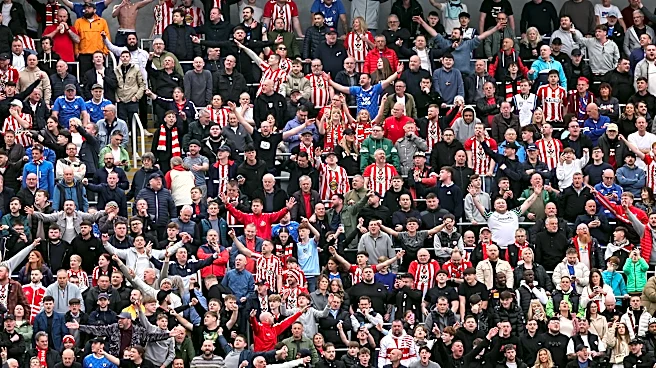
Whilst the manner of the defeat was frustrating, perhaps the biggest compliment you could pay Peter Reid and his players was the fact that Sunderland supporters were leaving the Stadium of Light feeling somewhat aggrieved at having lost to a team of Liverpool’s calibre.
After all, it was only a matter of months since we had been playing our football in the second tier, yet here we were, going toe-to-toe with one of the biggest clubs in English football and coming away wondering how on earth we hadn’t taken all three points.
There would be plenty more memorable afternoons to come in a season that would ultimately see Sunderland finish seventh in the Premiership, but this was one of those occasions where the scoreline did little justice to the quality of the Sunderland side Peter Reid had assembled.