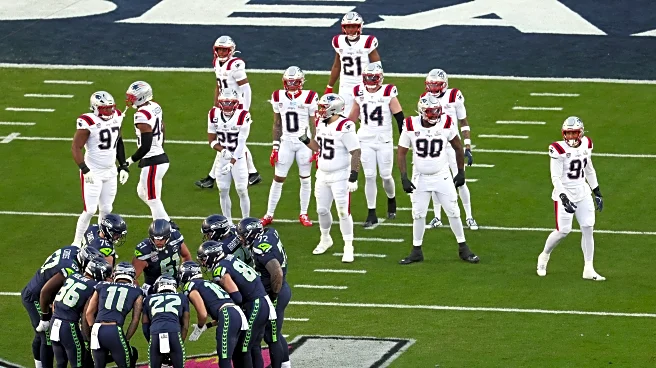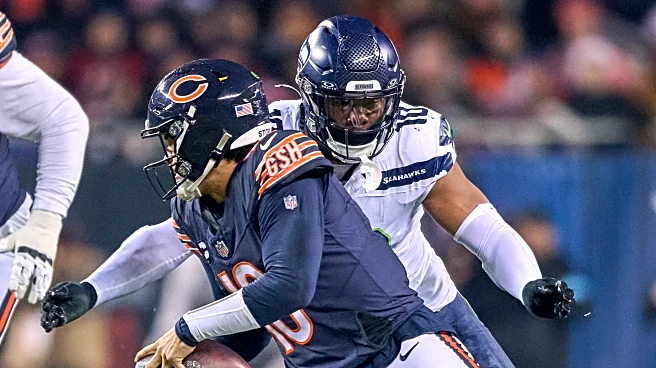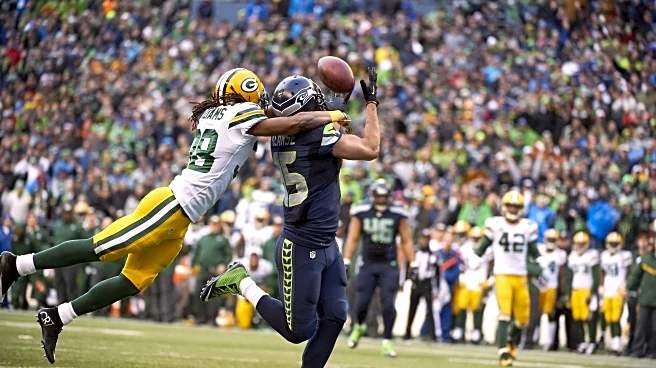




With their victory over the San Francisco 49ers last Saturday, the Seattle Seahawks secured the number one seed in the NFC. This is the fourth time in Seahawks history that they have finished in this position. The last time was in 2014, when Seattle also most recently made the Super Bowl.
Over the past decade, the No. 1 seed in both the AFC and NFC has remained the reference point of the NFL playoffs — just not in the automatic, fail-proof way many narratives still suggest. Finishing with the best
record in the conference is still a real advantage, but it is increasingly dependent on how a team gets there, not simply the fact that it did. The bye week and home-field advantage matter, but they are not a shield against structural flaws.
The high floor: why No. 1 seeds usually go deep
Over the last 10 years (2015-2024, all post-Seahawks Super Bowl appearance), teams that earned the No. 1 seed generally met the baseline expectation: playing meaningful football late into January. Rest and home-field raise the competitive floor, reduce variance, and force opponents to win multiple road games. It is not a coincidence that the majority of these teams reached at least the Conference Championship round.
What separates No. 1 seeds that win from those that merely survive
When looking at the No. 1 seeds that truly converted that position into postseason success, there is a clear pattern. The Chiefs, Eagles, and 49ers in their strongest years were not just efficient, they were structurally sound. A functional run game, dominance in the trenches, and defenses capable of winning on third-down without relying solely on turnovers consistently show up in teams that made it to February.
When rest is not enough: early exits
Early eliminations almost always came with warning signs that were ignored in December. The 2019 Ravens entered the playoffs as a historically efficient machine, only to fall in the Divisional Round when forced away from their offensive identity. The 2020 and 2021 Packers, both No. 1 seeds in the NFC, saw highly efficient offenses stall when the game demanded patience and short-area execution. The 2021 Titans, despite the bye and home-field advantage, were eliminated early due to an offense that could not sustain drives in critical moments.
These examples reinforce a familiar lesson: rest helps the body, but it does not fix structural problems. In some cases, it merely delays them until January exposes them in full.
The decade in numbers: What actually happened
Looking objectively at the 20 teams that earned the No. 1 seed in the AFC and NFC over the past 10 years, the numbers help frame the discussion clearly:
- 6 of the 20 were eliminated in their first playoff game, losing in the Divisional Round despite the bye;
- 14 of the 20 reached the Conference Championship, confirming the high competitive floor of the No. 1 seed;
- 8 of the 20 advanced to the Super Bowl;
- 5 of the 20 finished the season as Super Bowl champions;
AFC vs. NFC: stability matters more than the conference
The difference between the AFC and NFC over the decade had less to do with the conference itself and more to do with stability. The AFC featured more recurring No. 1 seeds, driven by elite quarterback play and coaching continuity. The NFC, by contrast, saw far more turnover at the top, with teams peaking in shorter windows — which helps explain why some No. 1 seeds never felt truly “inevitable” once January arrived.
Final thoughts
In the end, the past decade delivers a clear message. Being the No. 1 seed still matters, once it shortens the path, raises the floor, and reduces exposure to chaos. But it also magnifies any underlying weakness. The No. 1 seed significantly improves a team’s odds of going deep, but it is far from a guarantee of a title.
In January, no one wins on résumé or regular-season efficiency alone. Teams win with identity, adaptability, and the ability to survive when the script breaks down. And that may be the biggest lesson of the last ten years: the No. 1 seed does not guarantee a Super Bowl, but it very quickly reveals who was truly built for one.