





I’m still processing all my feelings over here, and having gone through the Wild Card Series itself already, I find myself back at September’s regular-season games. We saw them go 12-12 on the month, as Chad Tracy allowed players to rest and conserve their energy for the postseason. I am starting to see their September fade not just as a slump, but as a trap they collectively bought—or fell—into.
In these days of three Wild Cards, conventional wisdom basically says all you have to do is get in, use
your best two or three reliable starting pitchers for this short playoff round, and get hot at the right time. Conventional wisdom also says that anything can happen in the postseason, but the Sox liked their chances, particularly due to the strength of their top three starters. This was a rotation built to handle a three-game sprint, which was consistently mentioned in predictions prior to the series. (This was true even when the edge was actually given to the Yankees; MLB’s positional breakdown is one example.)
In fact, speculating about who would pitch the crucial Games 1 and 2 in the Wild Card Series became a main focus in September as fans, the manager, and the team turned their attention to the playoffs. With a postseason berth assured and no real chance to take over the division, the Red Sox paced themselves by resting their starters and other players, to ensure they were ready.
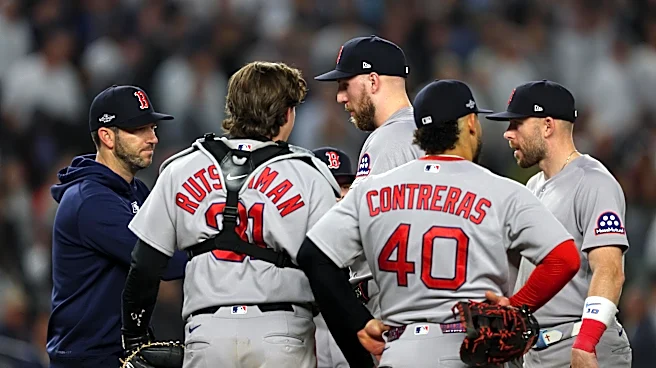
Tracy said about Willson Contreras, ““DH’ing yesterday [instead of playing first base] was strictly to manage the load.”
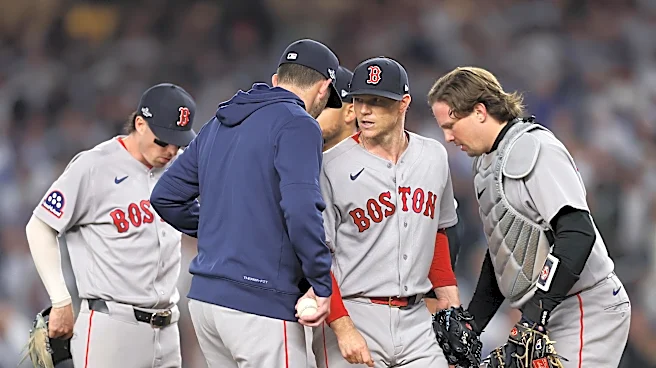
After three losses in a row (to the Guardians and Tampa Bay Rays), he said: “I told the guys before, we earned the right to be in position to be able to line things up.”
What Tracy meant is prioritizing rest and conserving energy ahead of the postseason. I hear some entitlement in this and that doesn’t sit well with me. They drifted through a completely uninspired September because they “earned the right” to do it that way. Where’s the grit? Where’s the burning desire to compete and win?
At one point, I remember Lou Merloni saying that the way Tracy handled the roster down the stretch (shuffling lineups, resting players, and experimenting with matchups and platoon roles) reminded him of a spring training evaluation period instead of a September playoff push.
The Sox finished the final month of the regular season with the fewest runs scored in all of Major League Baseball: a measly 71. The team above them, the spiraling Phillies, scored 89. The Brewers scored the most for the month, with 146. I would argue that when the Sox coasted their way through September, they didn’t conserve energy—they atrophied.
They “earned the right” to glide their way through September, operating under the delusion that momentum can be toggled on and off at will and that the postseason stage would automatically trigger their best selves. There’s that “just get in” mentality.
The Red Sox wrote a hell of a story in 2026. So why didn’t they treat the postseason as the action-packed continuation of that page-turner? Instead of continuing to build toward the climax of that story, they slowed down the pace and gave us an anticlimactic month of baseball. Even off the field, in the last week of the regular season, the front office celebrated prematurely when they handed Tracy a three-year deal and picked up both of Craig Breslow’s contract options. All before the postseason even began. The timing was odd.
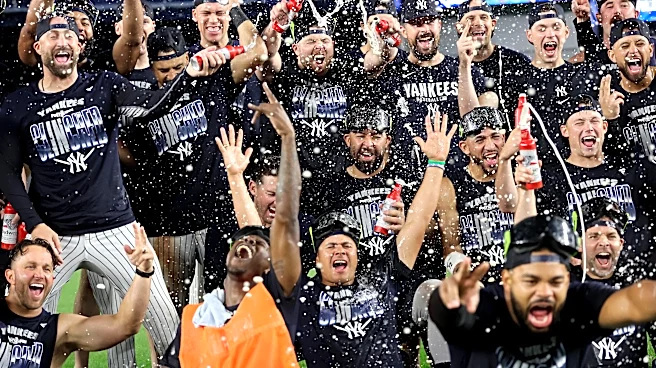
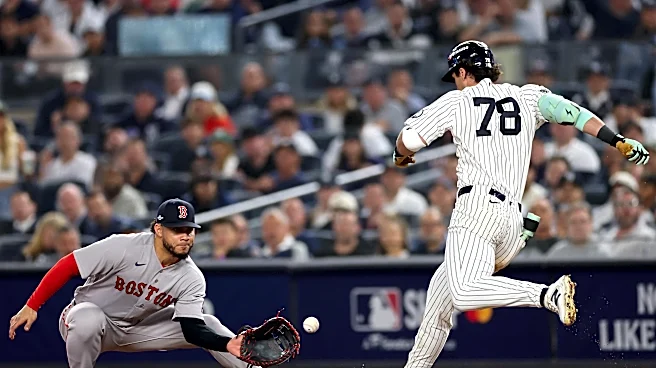
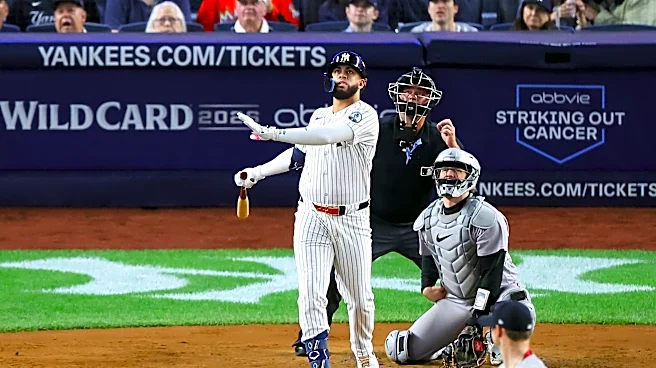
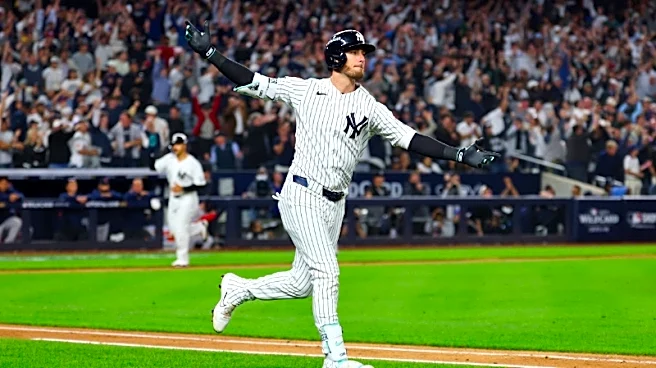
The team spent a month resting on the field, with the really unfortunate result of turning their playoff run into an epilogue—a few extra words tacked onto the end of a story that had already said all it needed to say. When they were outscored 18-2 and swept by the Yankees, it was a heartbreaking ending, for sure, but it wasn’t a plot twist. It was the punctuation mark on a sentence they started writing weeks prior.