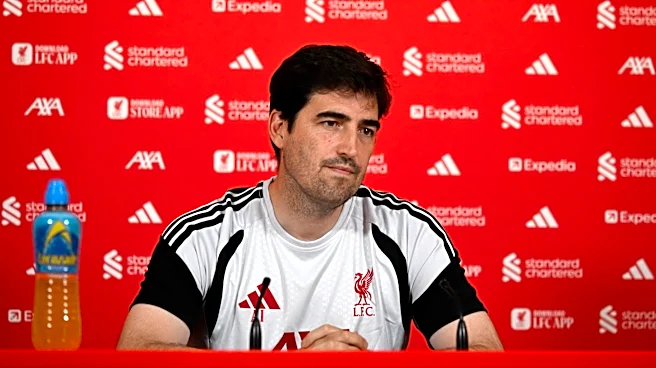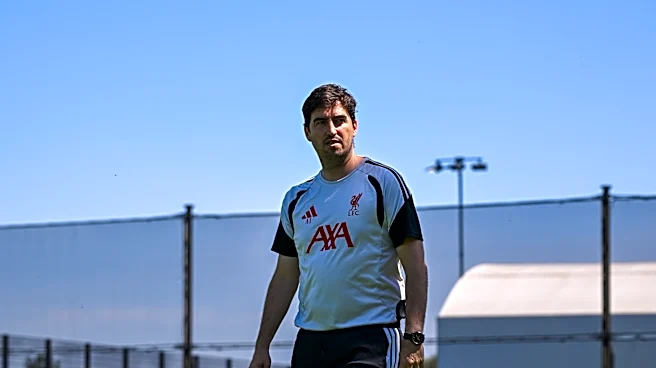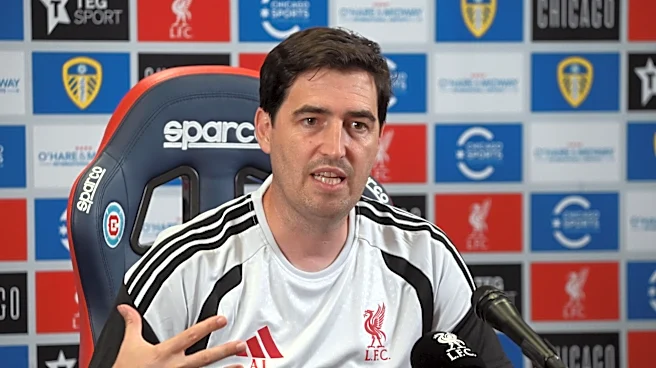



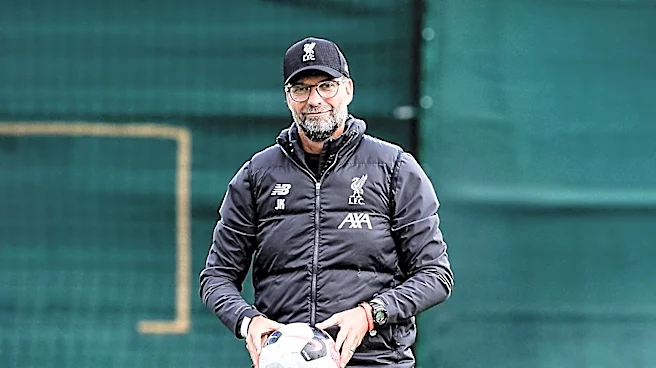
After a disappointing 2025-26 season that saw few signs of improvement even into its final weeks and left the Reds with little choice but to change managers, new head coach Andoni Iraola is preparing a side mostly made up of those who fell short of expectation last year to go again.
On paper, and despite last season’s struggles, this is still an elite squad—albeit one with worrying gaps in attack and defence and needs that will have to be addressed in the transfer market.
The question for Iraola is
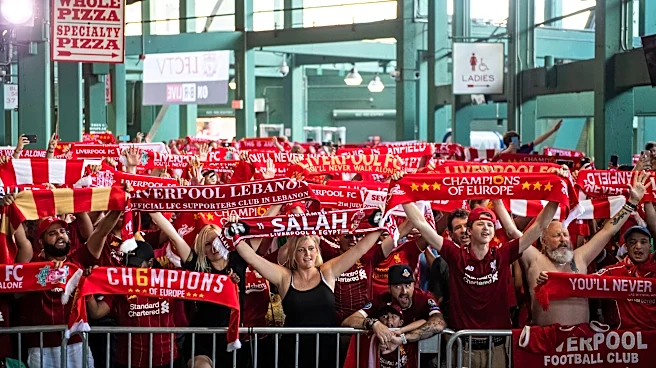
how to get them back to something resembling their best. He also needs to figure out how to reconnect them with a fanbase that increasingly felt separated from the team both due to what last season often seemed a lack of commitment on the pitch as well the departures in recent seasons of most of the squad’s homegrown talent.
“The first thing we have to do is try to play well, but it’s not just only about playing well,” Iraola said of the challenge at hand. “Supporters have to identify with what they see on the pitch. Sometimes it’s not about just putting a ball in the top corner.
“They can run, they can fight for the balls, they can press, they can fight until the last line for every situation and when [the supporters] see this from the players of their team it’s easier to get behind that team. I will encourage my team to give them these things.”
Fight, commitment, and if possible a local connection. All of these things are important at Liverpool. Always have been. All of these things were also always important at the club Iraola played at, Athletic Bilbao.
Iraola is quick to acknowledge that expectations at Liverpool are perhaps higher than at the Spanish club from the separatist Basque region, but the similarities are obvious—as are the connections to the first side he coached in a top league, the staunchly leftist Rayo Vallecano.
“This is one of the biggest clubs in the world and in some ways the comparison to Athletic Club probably isn’t fair,” Iraola noted. “But in a lot of ways I see a lot of similar things. This sense of belonging, of being a bit different. This connection also with players from the academy, the atmosphere of Anfield.
“These are the cultural things you have to learn, but I always say we are assistants to the players. They are the main part. Our job is to help them and they are the only ones who can give us success. We are not as important as they are, that is pretty clear.”