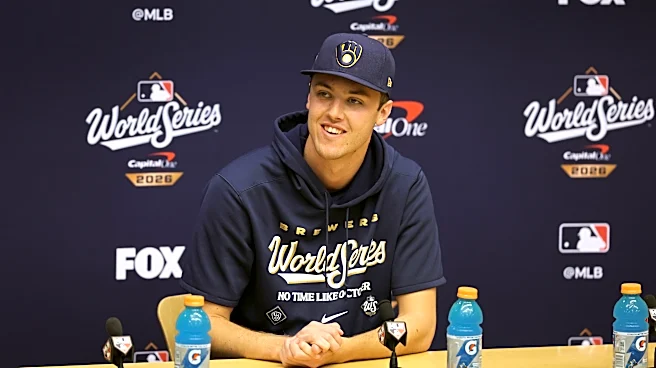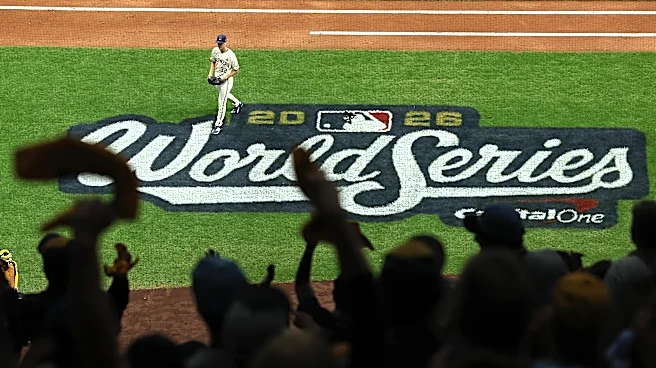


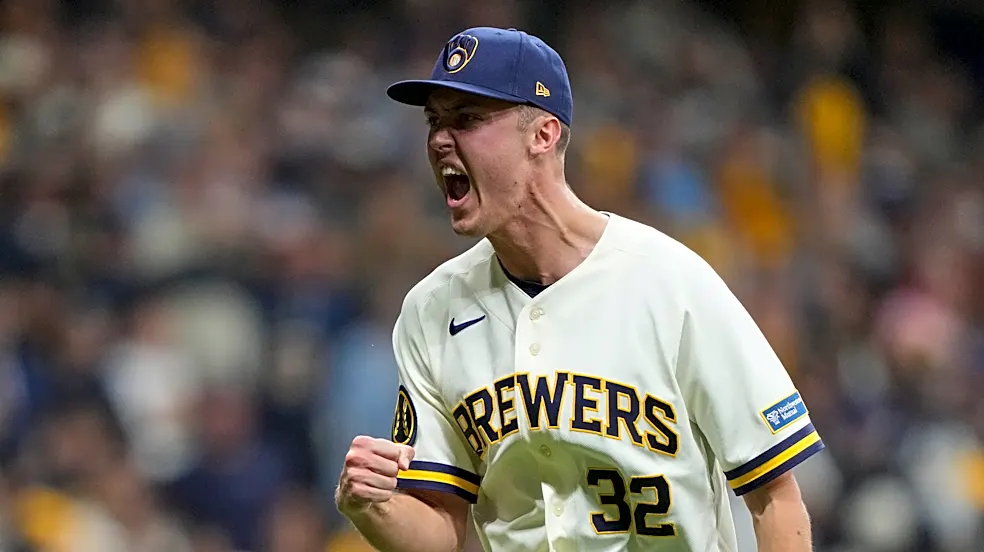

As the Milwaukee Brewers and Tampa Bay Rays battle for a World Series title, Chicago’s struggles with runners in scoring position reveal an offensive weakness the White Sox must address.
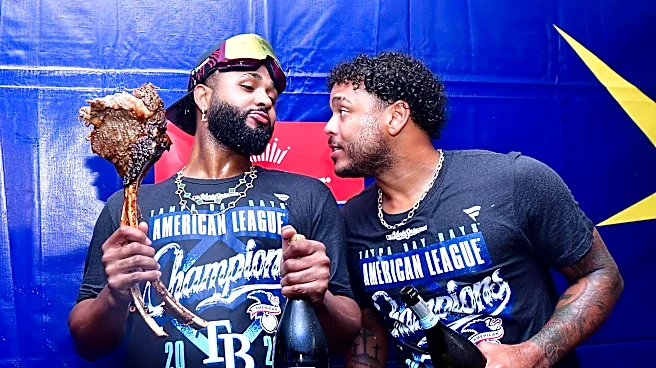
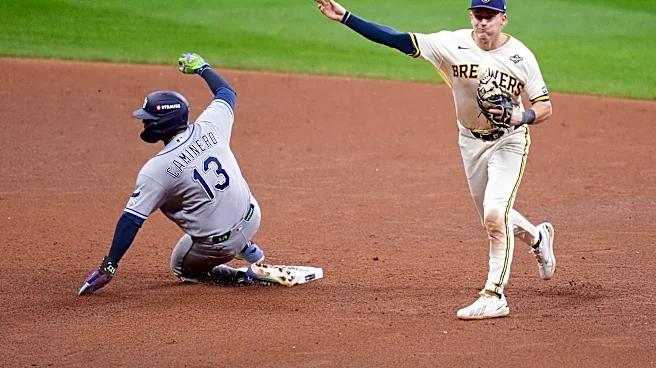
The Rays spent six months making runners in scoring position (RISP) a strength. On Friday night, six missed opportunities helped turn their 2026 World Series opener into a loss.
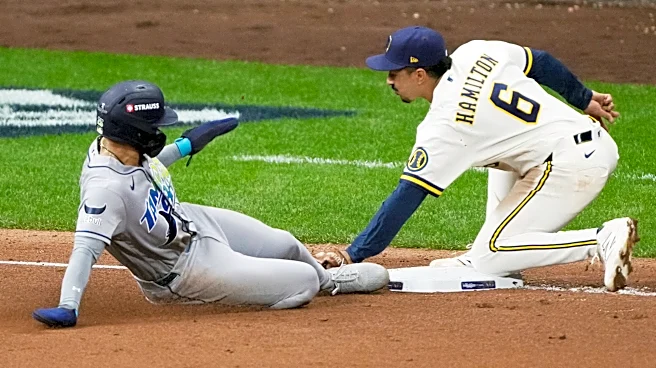
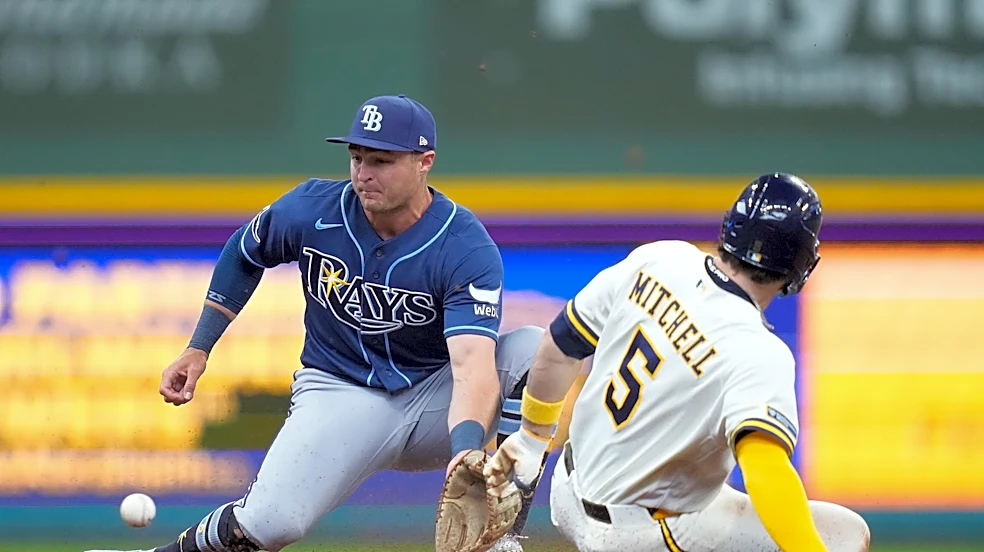
Tampa Bay went 0-for-6 with runners in scoring position against the Brewers, falling 3-2 despite advancing the tying run 90 feet from home
in the ninth inning. A team that led Major League Baseball with a .283 batting average in those situations suddenly found itself searching for one more productive swing.
“We had traffic on the bases pretty much all night,” Rays shortstop Taylor Walls told MLB.com. “But [we] weren’t able to get that big hit, that timely hit, the double with a runner on first or a single with runners in scoring position.”
More than 1,200 miles away, the White Sox could recognize the frustration.
Chicago’s postseason ended against Cleveland with a different statistical problem but a similar consequence: Runners never reached home plate.
The White Sox hit .243 with RISP during the regular season, ranking 22nd in the majors. They struck out 397 times in 1,361 official at-bats in those situations, a 29.2% K-rate.
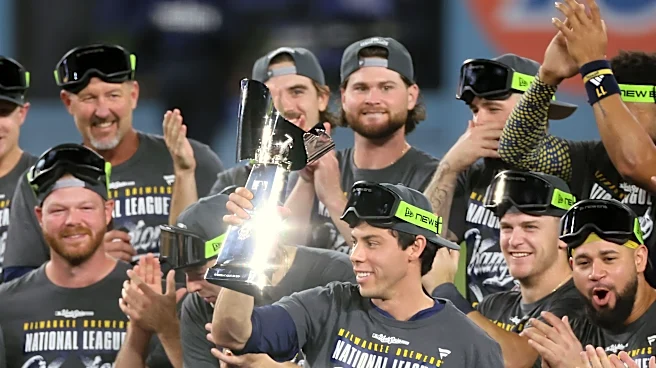
By comparison, Tampa Bay hit .283 with RISP, while Milwaukee followed at .276. Both clubs combined consistent contact with aggressive baserunning, providing a different offensive model than Chicago’s power-oriented lineup.
The problem became particularly evident during the American League Division Series.
Although the White Sox hit .275 with runners in scoring position across seven postseason games, they struck out 21 times in 51 at-bats with RISP. Cleveland pitchers struck out 75 Chicago hitters during the five-game ALDS, including an all-time record of 21 in the decisive Game 5.
Manager Will Venable acknowledged that the problem extended beyond chasing pitches outside the strike zone, to misses in the zone, and his assessment revealed a fundamental challenge: Against elite pitching, even hitters making reasonable swing decisions can struggle to produce contact.
That becomes particularly costly with a runner on third and fewer than two outs, as a sacrifice fly or a well-placed ground ball can score a run without a hit. A strikeout, however, leaves the runner exactly where he started.
Modern hitting philosophies emphasize power, patience and avoiding unnecessary outs. Those principles have merit, but postseason baseball frequently demands a more situational approach.
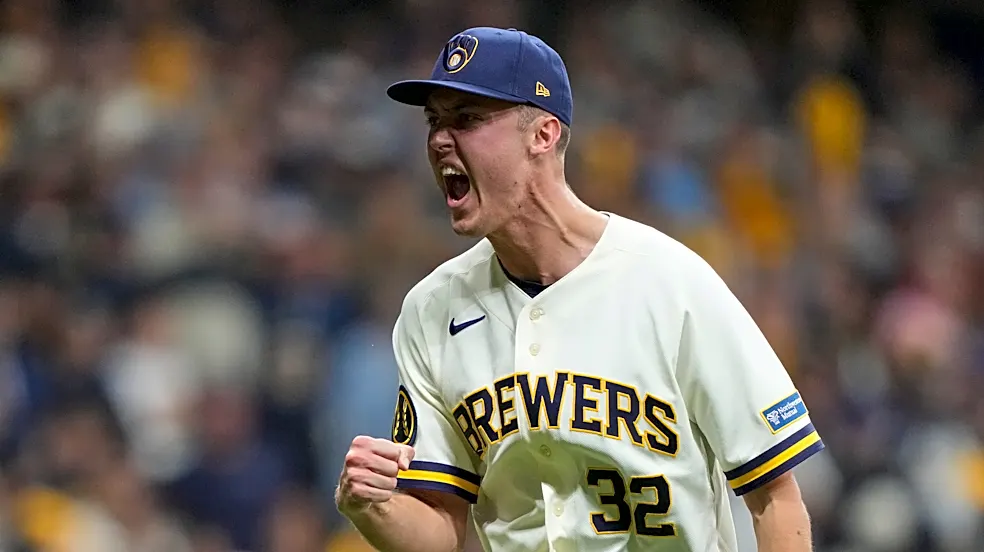
Milwaukee demonstrated that on Friday.
Christian Yelich drove home Jackson Chourio with a first-inning triple, William Contreras followed with an RBI single, and Chourio added a two-out RBI single in the seventh.
The Brewers went 2-for-8 with runners in scoring position, but those hits helped secure a one-run victory.
Milwaukee scored 832 runs during the regular season despite hitting only 154 home runs. Chicago hit 211 homers but scored 776 runs. The Brewers also stole 162 bases compared with Chicago’s 93, demonstrating another way to create offensive pressure.
Those differences suggest the White Sox do not necessarily need to abandon power. They need a more balanced offensive approach.
That balance has been an organizational question throughout the past decade, as Chicago has cycled through rebuilding rosters, veteran lineups and postseason contenders. The 2026 results provide another reason to examine whether the club has consistently struggled to convert scoring opportunities.
For players such as Colson Montgomery, Kyle Teel and Miguel Vargas, improvement must include producing quality plate appearances against elite pitching. Montgomery’s power remains valuable, but the White Sox need consistent contact throughout the lineup.
Free agency could provide additional options.
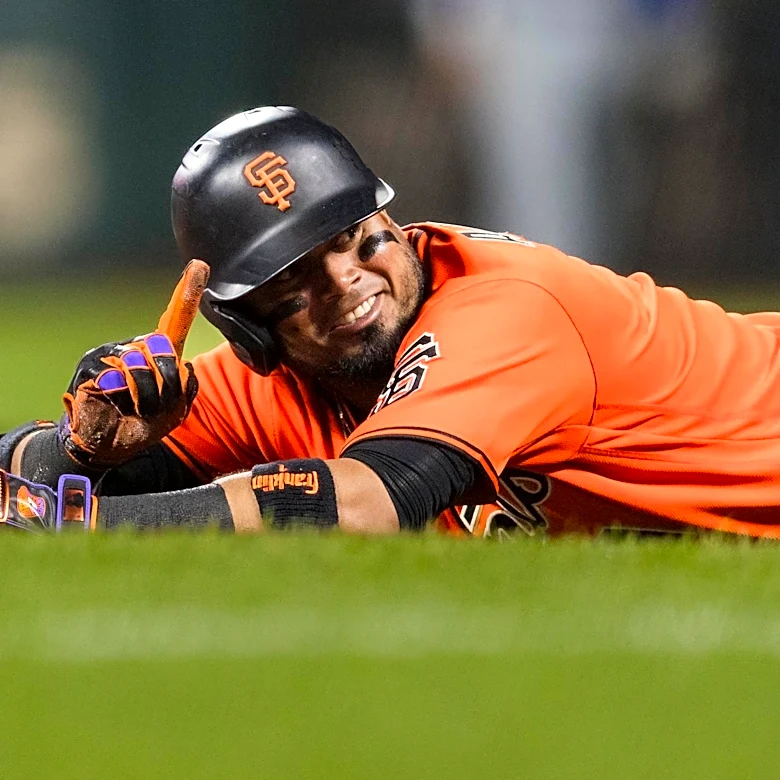
Luis Arráez offers a contact-oriented offensive profile, while potential free agents Bo Bichette, Ian Happ and Seiya Suzuki represent different combinations of hitting ability and overall production.Simply acquiring a hitter with a high RISP average, however, would not guarantee improvement.
Tampa Bay’s World Series opener demonstrated that even baseball’s most productive situational hitters can struggle when opportunities arise.
Rays manager Kevin Cash remained confident despite the loss.
“This is an extremely confident group,” Cash said. “They’re going to be fine.”
Chicago’s challenge is finding that same confidence while developing the offensive consistency needed to advance deeper into October.
The White Sox proved they could hit enough home runs to reach the postseason. Cleveland demonstrated that power alone was not enough to survive it.
And as Milwaukee showed Friday, sometimes the difference between winning and losing isn’t the ball that leaves the park. It’s the one that brings the runner home.