


Could Sunderland make the perfect start to their Premier League campaign, or will Ipswich Town begin their return to the top flight with a statement victory at Portman Road?
Sunderland travel to Portman Road on Saturday to face Ipswich Town in the first round of Premier League fixtures.
The Tractor Boys return to the Premier League after a one-year absence from the top flight following their relegation in 2024-25. Following promotion from the EFL Championship in second place, the 1981 UEFA Cup winners
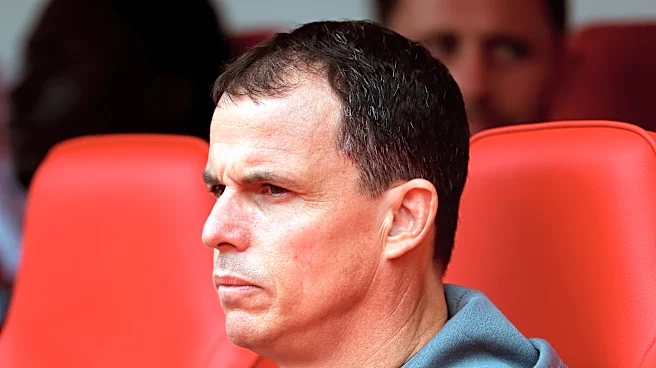
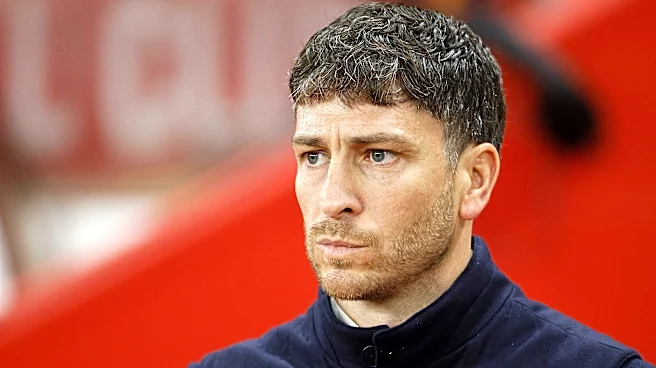
come into the campaign with new manager Gary O’Neil, who takes over from Kieran McKenna – the man who took Ipswich to the Premier League in 2024 following promotion from EFL League One in 2023.
O’Neil has experience at this level with Wolverhampton Wanderers and AFC Bournemouth, the latter of which he led to a comfortable 15th-place finish in the Premier League with the, at the time, newly promoted Cherries in 2022-23.
Ipswich Town are making a bid to stay in the Premier League this time around, and they are attempting to make a good go of it with signings such as former Ipswich midfielder and Paraguayan international Julio Enciso, who joins from Gary O’Neil’s former club Strasbourg. Enciso spent six months on loan in Suffolk during the 2024-25 campaign with the Tractor Boys from his parent club Brighton & Hove Albion, so the player has an idea of what is expected of players and clubs at this level.
They have also signed Brazilian striker Emersonn from Toulouse and Daizen Maeda from Celtic to bolster their forward line.
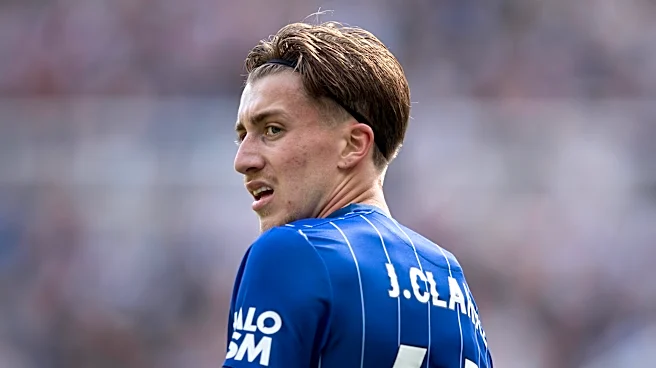
Our opposition have former Sunderland winger Jack Clarke in their ranks. Clarke, who joined the club at the beginning of the 2024-25 season, has racked up a total of 19 goals and six assists for Ipswich over the course of two campaigns.

Ipswich In Possession
Gary O’Neil’s in-possession tactical blueprint at Ipswich Town focuses on structural manipulation to create overload-to-isolate scenarios and rapid verticality.
While his defensive foundations rely on a rigid 4-4-2, his attacking phases are highly dynamic, shifting fluidly to exploit the opposition’s defensive shape. These four key points showcase this in detail.
1. The 3-2-5 Build-Up Structure
When building from the back, O’Neil completely alters the team’s base formation to maximise passing lanes and structural security against opposition pressing.
The Back Three: One of the natural full-backs (or an athletic wide centre-back like Jacob Greaves) tucks inside to form a temporary back three. This gives Ipswich a numerical advantage over an opponent’s front-two press.
The Double Pivot: Midfielders like Florentino Luís anchor the central space as a pair. Their job is to draw the opposition’s central midfielders out of position, creating a box structure with the back three to comfortably circulate the ball.
2. Overloading The Central Pockets
Once the ball moves into the middle third, O’Neil instructs his nominal wide midfielders to abandon the touchlines.
Inside Channels: The wingers and attacking midfielders tuck inside into the half-spaces – the channels between the opponent’s full-backs and centre-backs.
Creating A Five-Man Frontline: By having creative players like Julio Enciso drift inward, Ipswich flood the central zone. This creates a numbers advantage that forces the opponent’s defensive line to pinch tight to protect the middle.
3. Exploiting Wide Isolation
The ultimate goal of narrowing the front line is to create massive space on the absolute edges of the pitch.
Flank Dominance: With the opposition defence compressed centrally, the advanced full-backs, such as Leif Davis, blast forward to occupy the high-and-wide positions.
The Switch: The double pivot or central centre-backs are drilled to quickly switch the play with long, diagonal cross-field passes. This catches opponents off guard, isolating the flying full-back in a 1v1 situation against an exposed defender with room to cross or drive into the box.
4. Direct Channel-Playing And The Second Ball
O’Neil is highly pragmatic and does not demand slow, risky tiki-taka if an opponent is pressing aggressively.
Bypassing The Press: If the central passing lanes to the double pivot are choked, the centre-backs will immediately hit long, direct vertical passes into the channels.
Narrow Support: The narrow positioning of the attacking midfielders allows them to surround the primary physical forward outlet. If the striker loses the initial aerial duel, the supporting line is perfectly spaced to win the second ball and instantly launch an attack inside the final third.
O’Neil has structured Ipswich Town into a team that prioritises protecting central spaces before launching explosive counter-attacks, rather than using an aggressive, high-energy press all over the pitch.

Ipswich Out Of Possession
The former Strasbourg man implements a pragmatic out-of-possession strategy built around tracking distances and spatial control, as detailed below:
1. The Defensive Shape: A Compact 4-4-2
When the opposition establishes sustained possession, Ipswich drop into a rigid 4-4-2 defensive block.
Narrow Lines: The four midfielders squeeze incredibly close to the four defenders. This minimises the vertical gap between the lines, choking the number 10 spaces where playmaker opponents like to operate.
Touchline Triggers: The team rarely chases the ball into the opponent’s defensive third. Instead, they let the opposition centre-backs pass between themselves, only engaging once the ball moves into a wide full-back or passes the halfway line.
2. The Midfield Engine And Channelling Wide
O’Neil’s off-the-ball approach is heavily anchored by elite physical profiles. New midfield signing Florentino Luís serves as the primary engine, covering massive distances to disrupt passing lanes.
Funnelling The Ball Outside: The central midfielders and strikers position themselves to completely block the middle of the pitch.
The Wide Trap: By forcing opponents to pass wide to the flanks, Ipswich use the touchline as an extra defender. Once the ball is forced wide, the near-side winger, full-back and central midfielder swarm the ball-carrier to trap them.
3. Rest Defence And Guarding Against Counter-Attacks
Because Ipswich attack with highly dynamic, flying full-backs, they are structurally vulnerable to getting caught out in transition. O’Neil manages this through strict rest-defence principles.
The Defending Trio: When Ipswich are deep in the attacking third, at least three defensive players remain strictly behind the ball.
The Tactical Foul / Interception Wall: The defensive midfielder stays centrally just outside the opponent’s box to immediately break up clearances, allowing the team time to sprint back into their 4-4-2 shape if an attack fails.
4. Aggressive Retaliation On The Regain
Defending for O’Neil is simply the first step of attacking. The second an Ipswich player forces a turnover or intercepts a pass, they look to attack immediately.
Instant Vertical Outlets: The two strikers immediately split towards the wide channels to provide an instant escape route for the defender who won the ball.
Bypassing Counter-Presses: Instead of attempting composed short passes in their own half, where opponents try to win it back, players are drilled to clear the initial wave of pressure aggressively, immediately igniting the high-speed transitions.

Head-To-Head
The Black Cats and the Tractor Boys have faced each other a total of 58 times in both clubs’ histories, with the head-to-head standing as follows:
SAFC – 24 wins | ITFC – 25 wins | Draws – 9
Ipswich narrowly edge the head-to-head, with the most recent meetings taking place during the 2023-24 season, which resulted in two victories for them. The last ten head-to-head matches are deadlocked, however, with both sides taking four wins and two draws.
This fixture has spanned the top three English leagues, the FA Cup and League Cup since 20 September 1958, which was a Second Division tie held at Roker Park that resulted in a 3-0 victory for Sunderland.
It will be the two sides’ first meeting since 13 January 2024 and their first Premier League meeting since 28 December 2001.
It’s a match to look forward to for both sets of supporters. As the two teams play their own exciting brand of football, it will be intriguing to see who comes out on top this weekend, as Sunderland look to get their historic campaign off the mark, with Ipswich aiming to get off to a positive start.