



Ohio State is at an inflection point offensively. The Buckeyes remain one of the most talented programs in the country, but recent postseason games, including the Miami matchup, have reinforced a familiar theme. Ohio State is not at its best when Ryan Day is forced to be both CEO head coach and primary playcaller. The offense has too often drifted into predictability, slower tempo, and conservative sequencing at moments when aggression and adaptability are required. History shows Day’s teams thrive
most when he delegates playcalling to an experienced offensive coordinator and focuses on managing the broader operation.
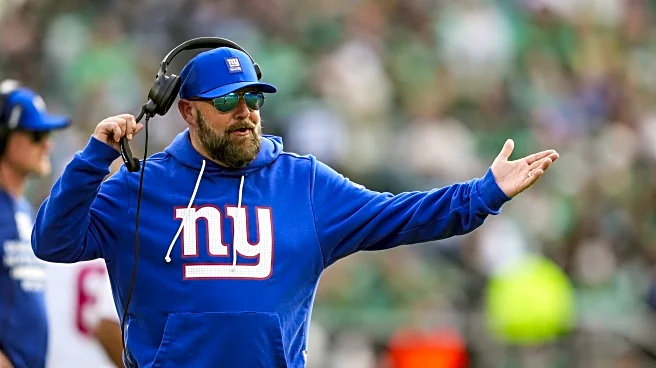
That reality makes the search for Ohio State’s next offensive coordinator far more consequential than a typical staff hire. This is not about filling a vacancy; it is about restoring an offensive structure that maximizes elite talent, sharpens in-game decision-making, and elevates the program in January football. Few available candidates check those boxes as completely as Brian Daboll.
Ohio State already proved the blueprint works
The formula is not theoretical; Ohio State just lived it. During the national title run last season with Chip Kelly calling plays, Day functioned as a true program CEO, overseeing game management, situational decisions, and personnel while trusting a veteran offensive mind to dictate tempo and aggression. The result was an offense that felt freer, faster, and more adaptable against elite defenses.

That separation of responsibilities matters. When Day is immersed in playcalling, the offense can tighten under pressure. When he’s empowered to zoom out and manage the game holistically, Ohio State plays with greater clarity and confidence. Hiring an experienced coordinator is not an indictment of Day’s offensive acumen; it’s an acknowledgment that the modern head coach’s workload demands delegation at the highest level. And again, Brian Daboll fits that blueprint almost perfectly.
Why Daboll fits what Ohio State needs
Daboll’s value is rooted in experience and flexibility. He has built elite offenses in multiple environments, from Alabama’s national championship attack to Buffalo’s explosive NFL units, adapting scheme, tempo, and structure to his personnel rather than forcing players into rigid systems. That adaptability is exactly what Ohio State needs as it balances elite receivers, evolving quarterback play, and playoff-caliber defenses that punish predictability and conservative offense.
Just as important, Daboll brings instant credibility. Players trust him. Quarterbacks develop under him. Recruits recognize the NFL pipeline he represents. His presence would immediately stabilize Ohio State’s offensive identity while allowing Day to operate from a position of strength rather than overload.
If Ohio State wants its offense to feel less constrained and more decisive, especially in postseason environments where margins shrink, the solution isn’t tweaking play sheets. It’s restoring the structure that already delivered championships. Brian Daboll represents that structure, experience, and upside in one hire. For a program with national title expectations every season, this hire isn’t just appealing; it’s necessary.