



The NBA first round is well underway, and while the Mavericks aren’t participating, there are still lessons to be learned.
As the Mavericks approach a pivotal offseason, they should focus on the trends that emerged during the playoffs. Certain types of players thrive within the heightened physicality and focus of the playoffs, while others fail. The Mavericks should try to find the type of players who will succeed in that environment if they hope to contend in the near future.
Small guards are not worth the investment
One of the most evident
trends from recent years is that small guards are simply not very useful anymore.
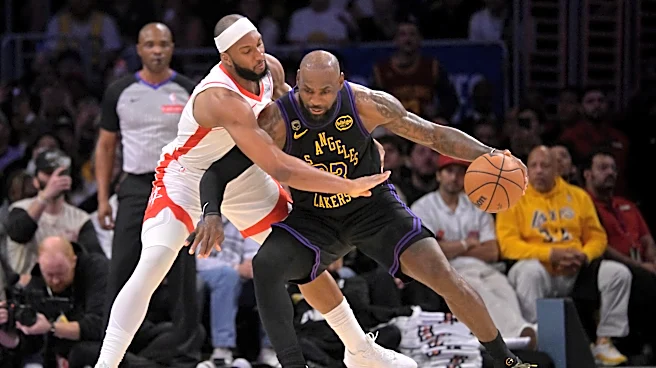
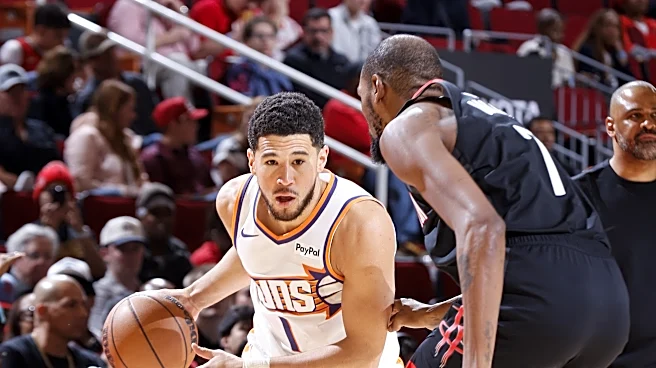
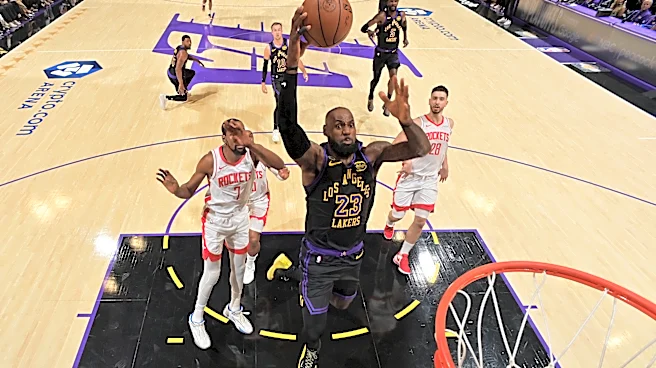
Now, ball-handling is incredibly important, but having it be from small, unathletic, guards is not a good idea. The principal example of this is the Houston Rockets, who are down 0-2 to a Lakers team without Luka Doncic and Austin Reaves.
The Rockets lack any real on-ball creation or shooting outside Kevin Durant, and have struggled mightily offensively. The answer to their problems could be second-year guard Reed Sheppard, who is an elite shooter and ball-handler.
The problem is that he compromises the Rockets’ defense, serving as an entry point for any of the Lakers’ on-ball creators.
Because of this, he only played 11 minutes in Game 2.
But the Rockets aren’t the only team with this problem.
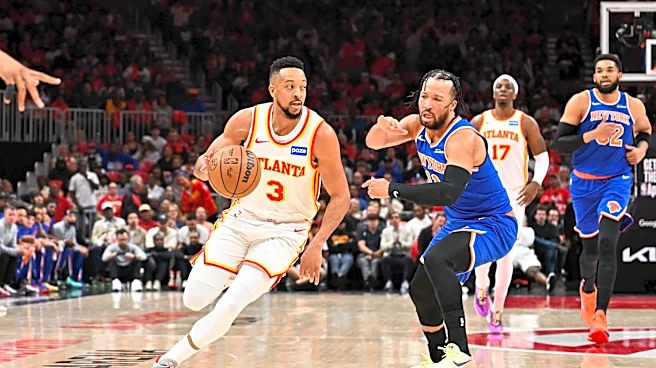
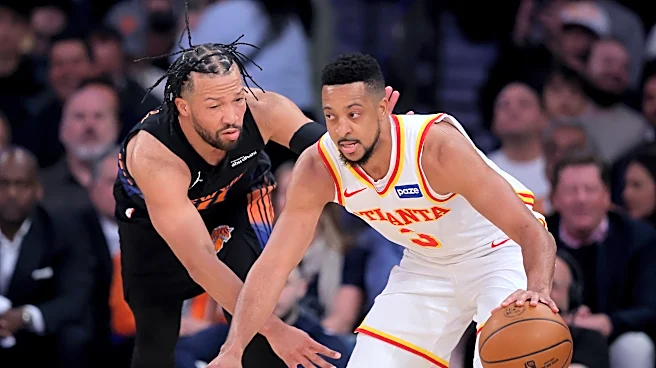
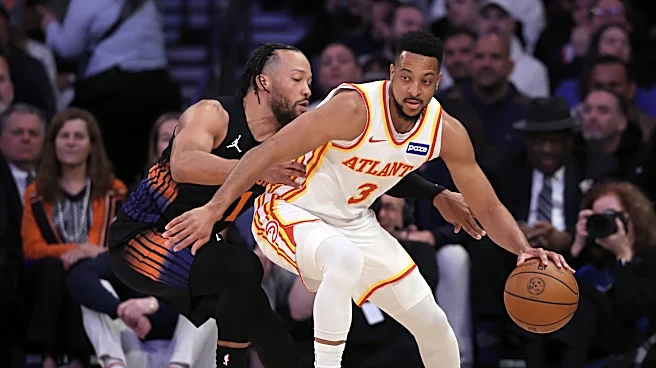
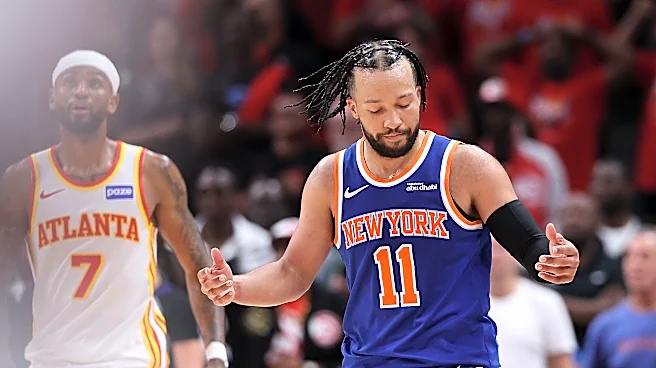
The biggest example is the Knicks, who are having a serious Jalen Brunson problem. Now, by no means is Brunson a bad player, nor is it his fault that the Knicks are down 1-2, but his flaws are becoming hard to ignore.
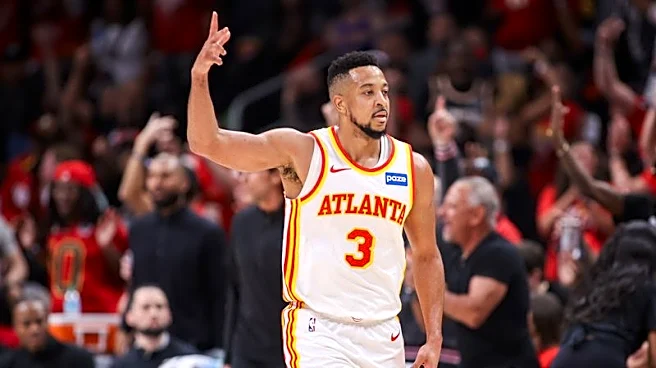
Similarly to Sheppard, Brunson has been relentlessly hunted all series, repeatedly getting beaten by CJ McCollum and Jonathon Kuminga.
This should open the eyes of anyone in the Mavericks front office, as this upcoming draft pick could be a small guard with limited athleticism. These players, even the best ones, can have destructive flaws, ones that cannot be covered up.
The Mavericks are blessed to have a two-way superstar
This take was formed as I was watching the Nuggets vs Timberwolves game on Thursday night, and seeing Nikola Jokic get relentlessly hunted by everyone on the Timberwolves.
No one can deny Jokic’s greatness offensively, but his defense is what holds him back from being one of the 5 best players of all time. This flaw is brought to the forefront when Aaron Gordon doesn’t play, as the Nuggets have no one else to insulate Jokic on the defensive end.
Seeing this makes me excited about the prospect of building around Cooper Flagg, who will never be a player who is hunted by other teams.
This should make team-building easier, as well as giving Flagg an insanely high floor, even when his shot isn’t falling.
Now it may be a while before Flagg plays in these games, but when he does, the Mavericks won’t lose playoff games because of his individual defense.
Shooting is king
This one is obvious, but three-point shooting continues to rule the playoffs. Teams with ample shooting and spacing simply have more avenues to win than teams without it.
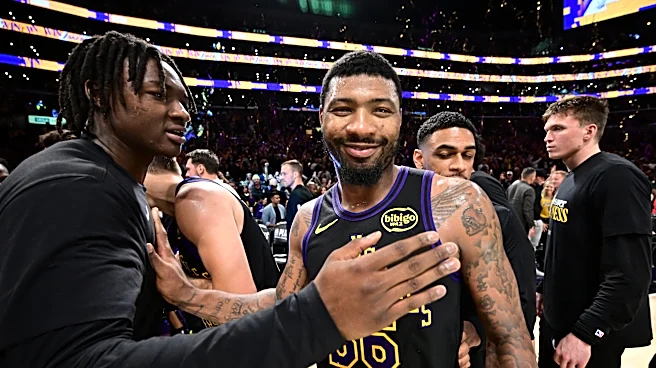
The Lakers series is the prime example of this, as the Lakers are shooting 49% from three, while the Rockets are shooting 29% from three. Not only are the Lakers making more threes, but the threat of these shots has opened up the lane for LeBron James and Marcus Smart to score inside.
On the other hand, the Rockets have had truly disastrous spacing, leading to incredibly aggressive defense by the Lakers. This flaw was apparent in game 2, as the Lakers sent hard double teams at Kevin Durant all game, opting to leave players like Tari Eason wide open.
This lack of spacing has also limited the paint opportunities, forcing the Rockets to settle for very difficult shots when they are inside the arc.
These problems are ones that plagued the Mavericks all season and would have been exposed if they had made it this far. To me, this further illustrates the need for a drastic increase in shooting, as no one wants to see Cooper Flagg double-teamed for entire playoff games.