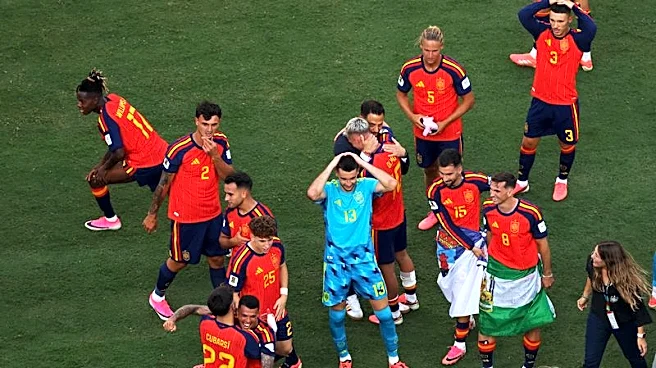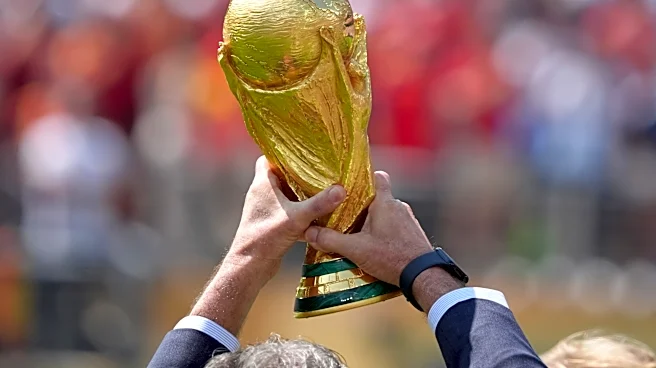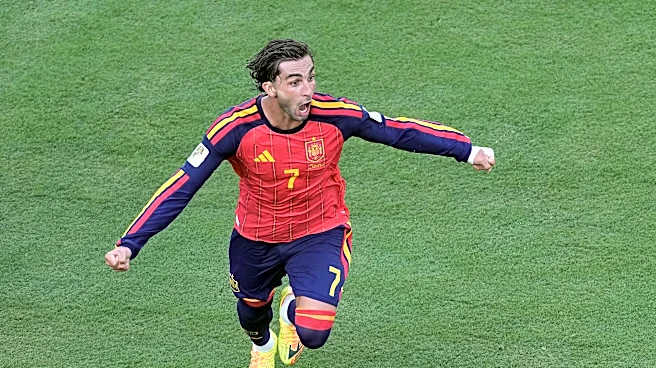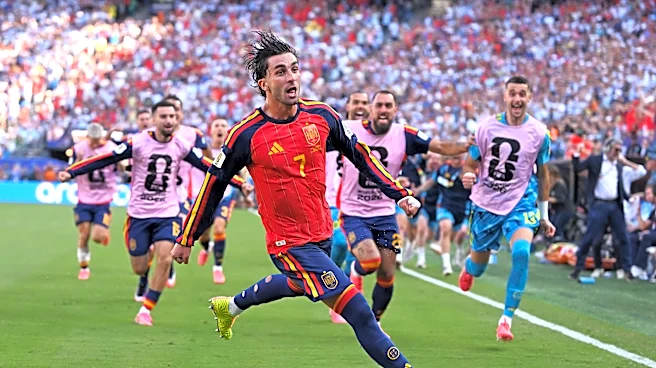




The 2026 World Cup concluded and saw a new winner in Spain, who won the final 1-0 thanks to a goal from Ferran Torres to begin their reign as champions of the world for the first time since 2010. It has been an eventful ride not just for Spain, but for finalists Argentina and the rest of the teams who partook in the World Cup held in Canada, United States, and Mexico. Lots of heartbreak, nail-biters, and upsets happened and it all came to a head in the final. Interestingly, the two countries were
supposed to contest the Finalissima in Qatar (which was cancelled due to unrest in the area).
Let’s go through Spain’s journey from the group stage to World Cup glory and take it one step at a time. It starts with an unlikely match that probably doesn’t add up to the phrase “Spain is the World Cup winner.”
The stormy waters (Group Stage)
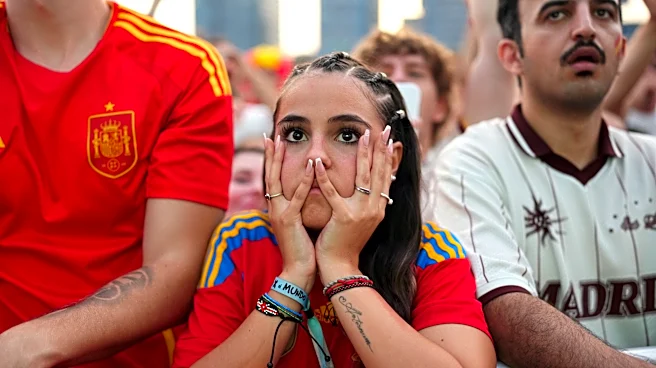
Spain started their World Cup campaign with a surprising 0-0 draw with tournament debutants Cabo Verde, with 40-year-old Cabo Verdean goalkeeper Vozinha producing a brilliant display to shut out the reigning European champions. La Roja eventually got their act together and put four past Saudi Arabia in the next match before squeaking past Uruguay 1-0. Cabo Verde got the short straw and got Argentina but put up a valiant effort and pushed the hitherto World Cup holders to extra time.
It can be said that Spain’s World Cup campaign this year mirrored Argentina’s in the last tournament: a lesser team getting an unexpected result in the first group match. What matters is how the team responded in the subsequent matches. and respond they did.
Complete Control
Spain’s first match in the knockouts was against Austria, and it ended in a 3-0 win with goals from Mikel Oyarzabal (x2) and Pedro Porro. Next was Cristiano Ronaldo’s Portugal, who were sent home by Mikel Merino’s late strike. Belgium was next in the line of teams who fell at the hands of the Spanish, with goals from Fabián Ruiz and another late Mikel Merino goal cancelling out Charles De Ketelaere’s goal. De Ketelaere earned the distinction as the ONLY player to score against Spain in the whole tournament.
The big one, before the final, was the semifinal against France. Many expected an outright win from France or at least a close contest that France would still win, but Luis de la Fuente managed to nullify the heavy favorites and kept a clean sheet. Oyarzabal and Porro scored to send the French to the third-place match, where they beat England 6-4 after a wild game.
Apart from the games against Portugal and France, Spain largely dominated their knockout games. They learned to be patient and took their time on the ball, which is basically the axiom of Spanish football. Spain was also clinical when it mattered the most, and those two were true for what lay ahead of them.
Patience and Perseverance
There are times when you must take your time to wait for the right opportunity, and that’s exactly what Spain did in the final. This was their biggest test, against a tough and volatile Argentina side. Granted, the 2022 World Cup winners channeled the spirit of the 1990 World Cup final and failed to put together a coherent attacking strategy. Indeed, the Argentines resorted to fouls, hoping to throw Spain off their game. In an unusual display, Spain decided to be more direct with their football in the final, sensing the Argentines were not able to go forward and inflict damage.
Unfortunately for them, the Spaniards were (mostly) calm and level-headed, braving the barrage of fouls and challenges straight out of WWE. Ultimately, Spain came through thanks to a well-placed finish by FC Barcelona attacker Ferran Torres immediately after the restart of the second half of extra time.
The stats are a massive indictment on Argentina: three shots, none on target in 120 minutes of football. Compared to Spain’s 20 shots—11 of which were on target—it’s safe to say that the 2010 World Cup winners deserved to win today. Tactical flexibility, clinical finishing, and just domination in general: that sums up Spain’s finals performance and their tournament as a whole.
With the World Cup drawing to a close, the teams who competed will go back to the drawing board and hopefully perform better in 2030. Case in point, Germany is hiring Jürgen Klopp to right the ship with the expectation that he will bring much needed improvements to the German national team. For Spain, they will certainly try to keep their playing style and maybe aim for another European championship or maybe defend their World Cup trophy on home soil in 2030.
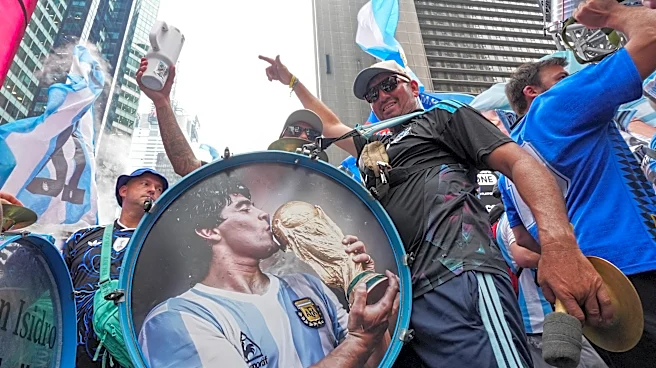
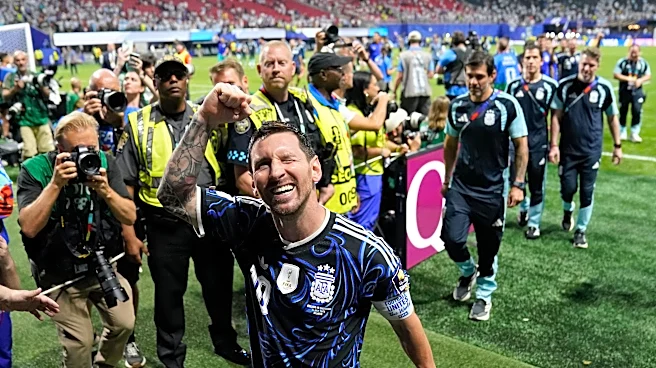
For Argentina and especially for Lionel Messi, this is probably the last time they will grace the pitch together at the World Cup. In an era-defining career, Messi has won everything in football and will probably be kicking himself that he wasn’t able to win a second World Cup for his country. Even though Messi could have joined an elite club of multiple World Cup winners, his accolades warrant him being called the Greatest Of All Time in the modern game. Honestly, that’s all he could ever ask for.
Verizon fuels soccer culture and community impact year-round – uniting fans, supporting local businesses and creating unforgettable moments that celebrate the global game.
Join the conversation!
Sign up for a user account and get:
- New, improved notifications system!
- Fewer ads
- Create community posts
- Comment on articles, community posts
- Rec comments, community posts