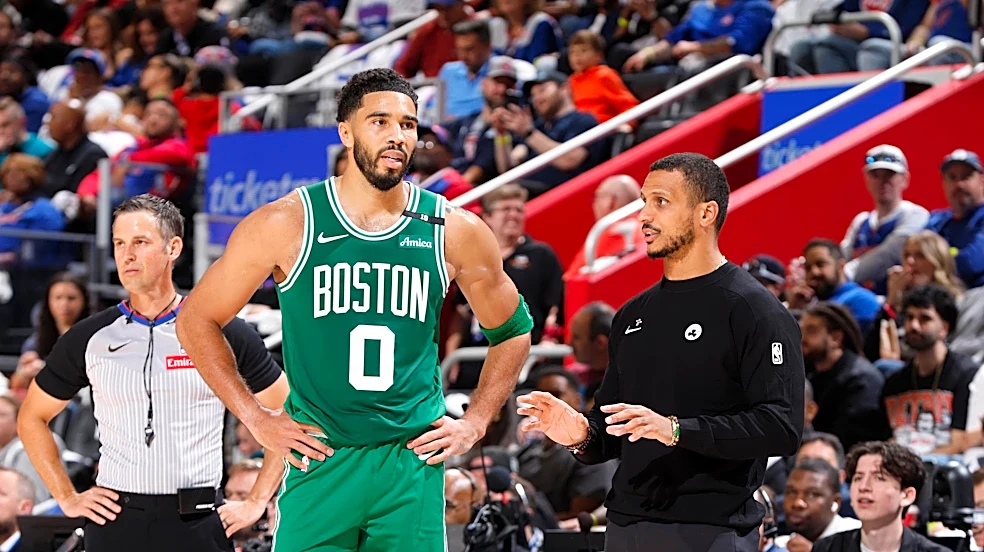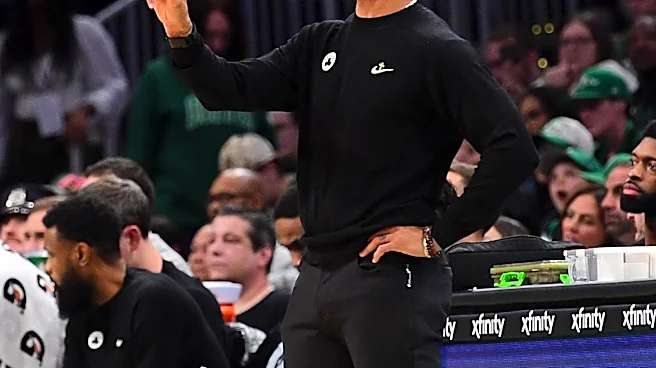







BOSTON — Celtics coach Joe Mazzulla isn’t doesn’t anticipate a clear pathway to coast this season in the Eastern Conference.
Unlike last season, the conference is in much different shape. The return of Tyrese Haliburton plus the upgrade-filled offseason executed by the 76ers are merely a few challenges the Celtics will need to navigate this season. Mazzulla understands this and is prepared to construct his outlook with a much more nuanced perspective.
“This year, in particular, I would say 50 wins
is a marker of a good team,” Mazzulla said before Friday night’s home opener against the Knicks. “I don’t know if a record will be a reflection of how good a team is in the East this year.”
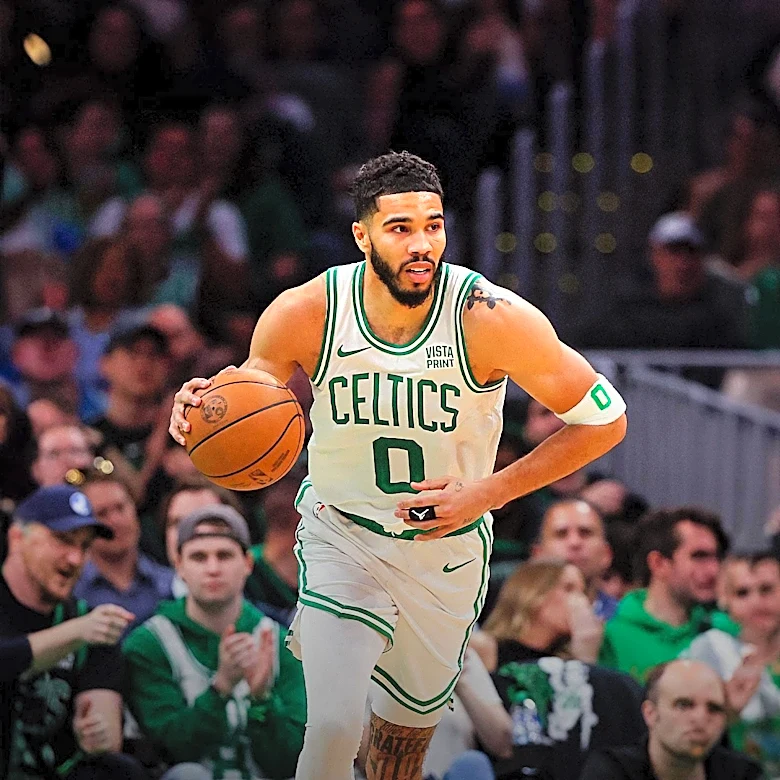
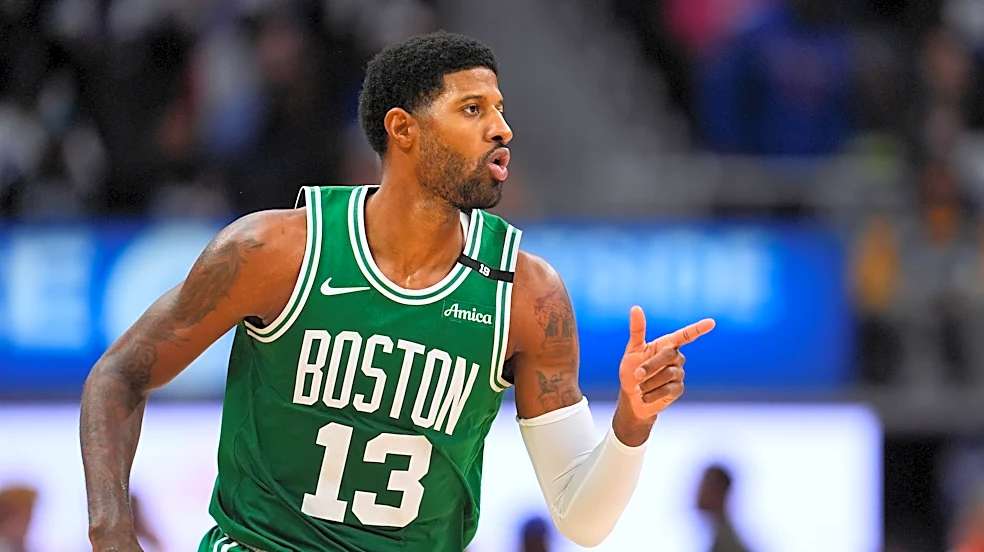
The Celtics are among those in the East rolling out a new-look group. They’ve re-added Tatum, joined by veterans Paul George and Mitchell Robinson, which gives Boston a depth upgrade in comparison to last season’s Jaylen Brown-led Celtics. But that’s on paper, and it’s without consideration for the rest of the conference.
Brown, now in Philadelphia, has joined forces with LeBron James, Joel Embiid and Tyrese Maxey. Giannis Antetokounmpo is now in Miami with Bam Adebayo and the Heat, and Kawhi Leonard is once again a member of the Raptors, pairing with two-time Toronto All-Star Scottie Barnes.

Mazzulla isn’t looking at Boston’s competition through the simplicity of a black-and-white lens. He not-so-subtly referenced last season’s Celtics as a prime example of a team’s win total only meaning so much.
“You could have a 41-win team and still be a matchup nightmare in the playoffs,” Mazzulla said. “There was a team I once (coached) a long, long time ago. They were a 56-win team, and they lost in the first round of the playoffs. So it could go either way.”
Just one game into the schedule, the Celtics have work to do.
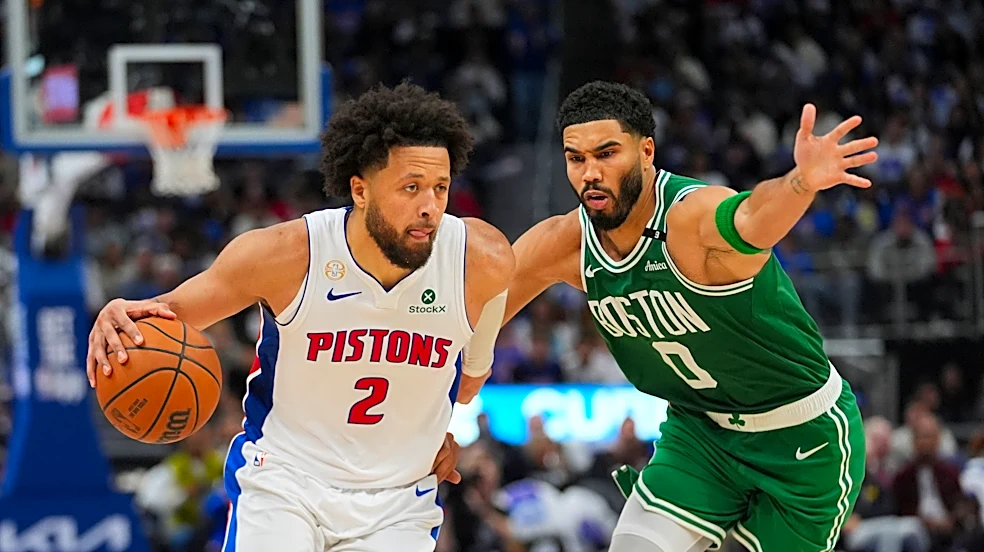
Boston coughed up a 22-point third-quarter lead in Tuesday’s season-opener against the Pistons by allowing second-half shooting woes to aid Detroit to a 23-0 run and eventual victory.
Sloppy late-game execution came with a dreadful price in Detroit for the Celtics, although Mazzulla doesn’t view the loss as a reflection of the team’s determination.
“It’s not an effort thing,” Mazzulla said. “There’s a ton of data that goes into it. There’s a ton of a particular mental training that you have to have for that. I think when people look at leads, they automatically think you are the sole reason why a team is up big when in reality the other team is just as much as culprit of why they’re down 22 as to why you’re up 22. So I think it’s a dual relationship to a lead.”
Detroit dropped a 76-point second half on Boston’s defense after shooting just 38.6 percent going into halftime. Tatum’s 1-for-10 shooting through the remaining 24 minutes of regulation, combined with a red-hot 52.4 percent Pistons shooting turnaround, doomed the Celtics for their first humbling defeat of the campaign.
“Our analytics team provided us with some great insight and perspective on things that you can try to combat in those moments,” Mazzulla revealed.
The conversation surrounding double-digit leads is one Mazzulla challenges. There’s the expectation to preserve or build on huge leads, which Mazzulla understands — to a degree — but doesn’t subscribe to.
“There’s a natural tendency to say, ‘We’re up 20, get it to 30,’ and I don’t think that’s realistic. I don’t think that’s possible,” Mazzulla said. “I think you have to work on winning the transitions of it. So if you’re up 20, analytically it’s really only a 15-point lead. So you have to know that. You’re really only up 15. You’re not really up 20 because of the variance of that game.”