


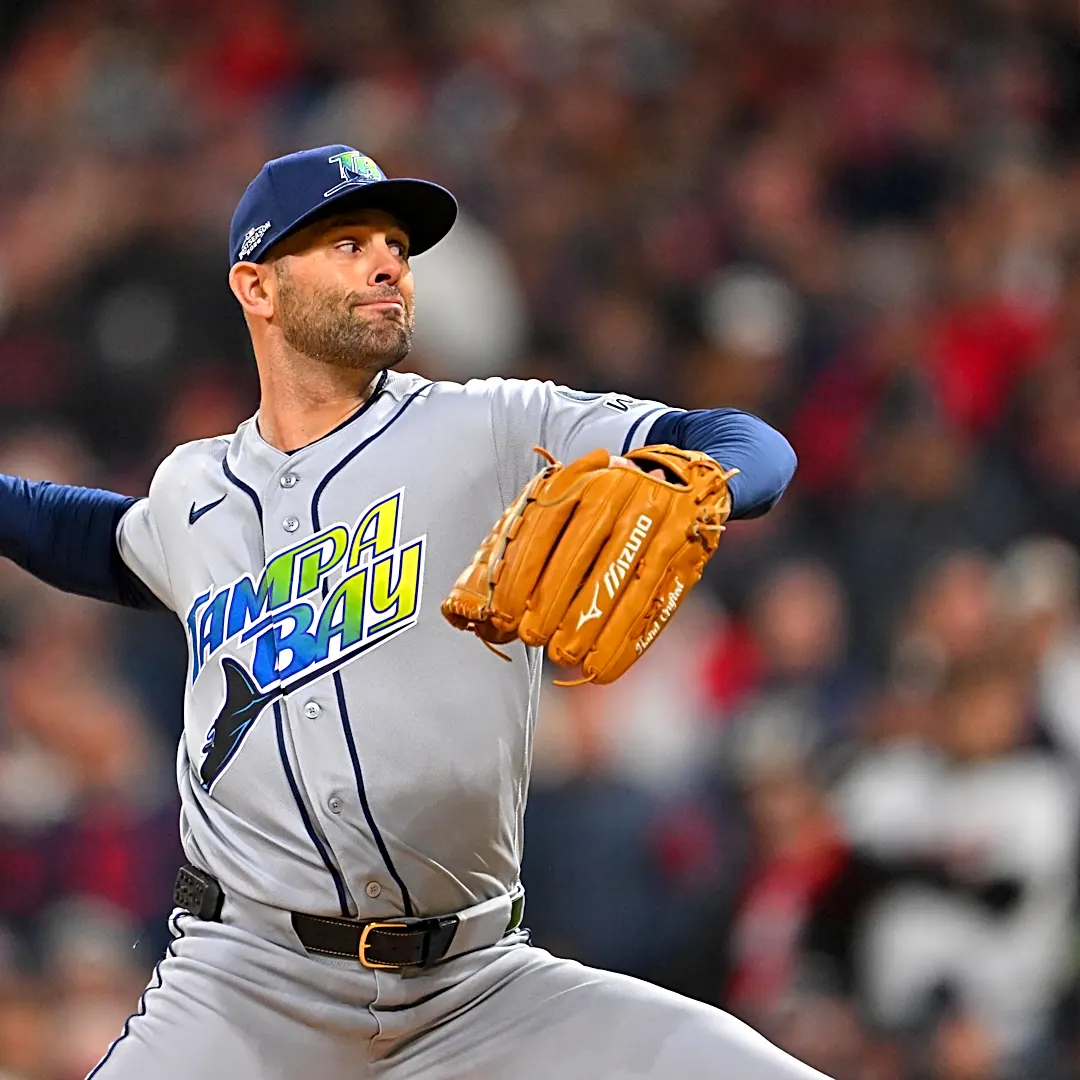
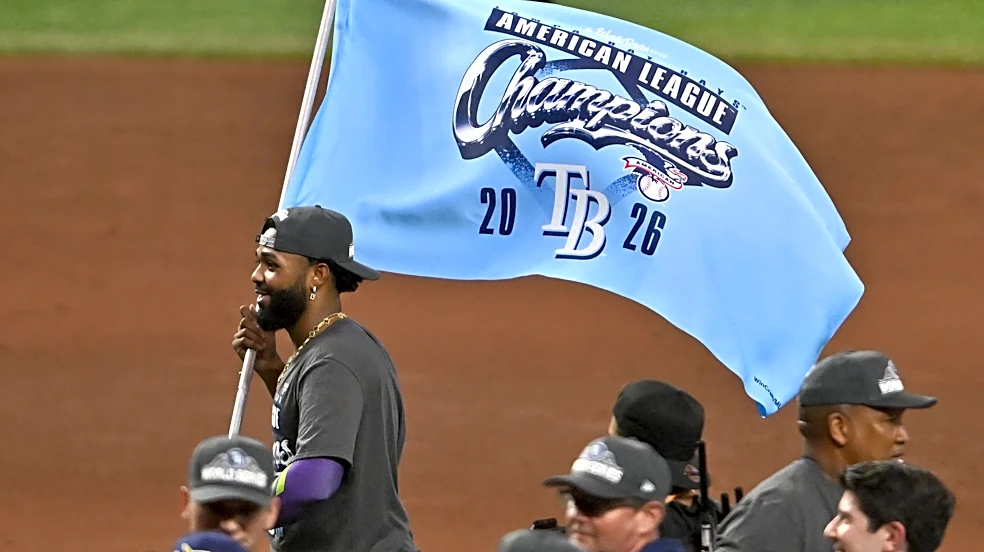
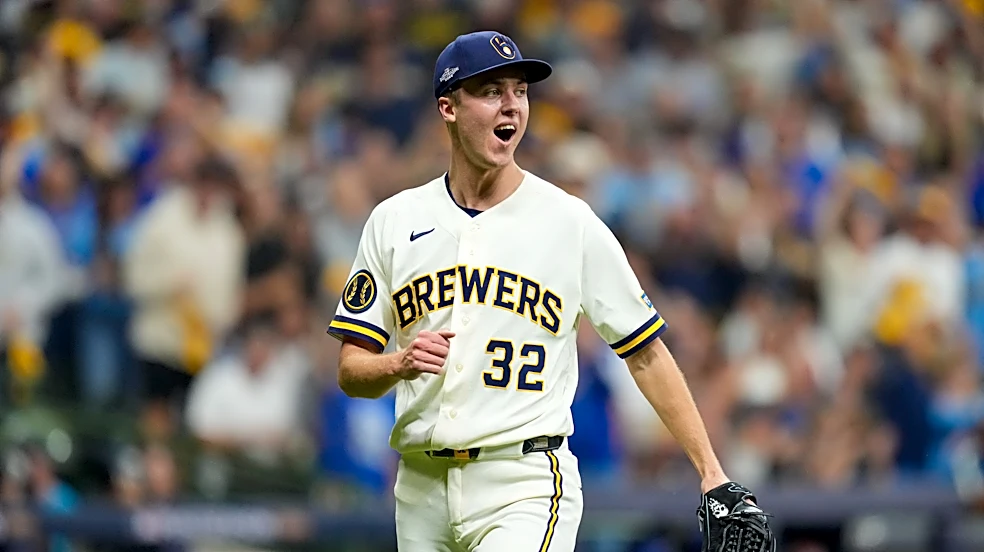


After a year of being bombarded with information about the lack of competitive balance in baseball, the 2026 World Series will feature the Tampa Bay Rays and Milwaukee Brewers. It’s quite the twist from a sport that has made a relentless case that only big market teams can win in the Postseason, but baseball will always baseball and this year’s curveball is the first World Series since 1980 where a team who has never won before is guaranteed to hoist the Commissioner’s Trophy at the end of the day.
It does seem worth clarifying the terms of what we mean by a “small market.” After all, according to the Sports Business Journal the Tampa-St. Petersburg media market is the 11th largest media market in the country despite the Rays fielding a team with the 28th largest payroll in baseball according to Spotrac. Meanwhile, Milwaukee boasts the 19th ranked payroll in MLB in the smallest media market in MLB. It’s all rather complicated as you can see here:
Or maybe it isn’t all that complicated. There has been Postseason success at the top of this table (the Dodgers) in the middle of this table (the Astros, Red Sox, Rangers and, begrudgingly, the Brewers) and towards the bottom of this table (the Nationals, Rays, Guardians and, as much as it pains me, the Cardinals). There are small market teams spending a lot of money relative to their actual, literal, media market size and teams spending a fraction of what you’d expect relative to their market. Some of those teams are winning. Some of those teams are losing.
Perhaps it’s more about how effectively teams use the resources they have than a total amount of spending by any individual team. To that end, a number of front office watchers have been compiling data about the size of R&D departments and/or scouting departments across the league that have led to a number of interesting conversations on social media:
As Lance Brozdowski notes in the above thread, it’s a little complicated to just pull these results. Some teams have better visibility into the size and roles in their departments than others, including the Cubs, who were one of the big movers as people honed in on this particular metric.
But again, this doesn’t overlay with MLB Postseason success or failure either. Yes, the perennially successful (although still zero rings to show for it) Rays are at or near the top of both lists, but the Braves and Astros are near the bottom.
It’s enough to make you wonder if success in the October is just a crapshoot in baseball. Admittedly, a crapshoot you have a much better chance of being a part of if you’re deploying resources wisely, but a crapshoot nonetheless.
One thing that hasn’t changed this Postseason: ticket prices to the Fall Classic are outrageous, especially in Milwaukee where they’ve been waiting 44 years for a chance to play in the World Series. Getting into a World Series game in Tampa Bay or Milwaukee is going to set you back some cash, regardless of the spending habits of the team you’re cheering for: