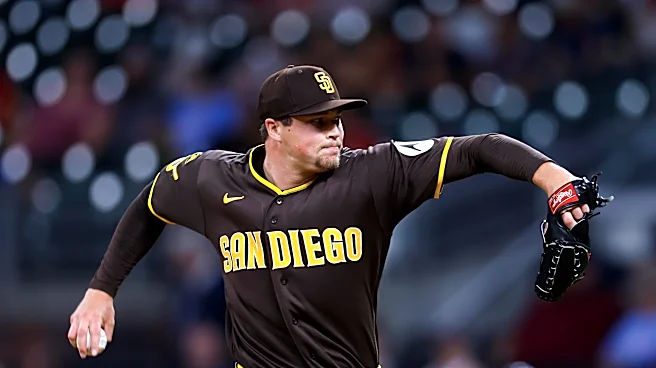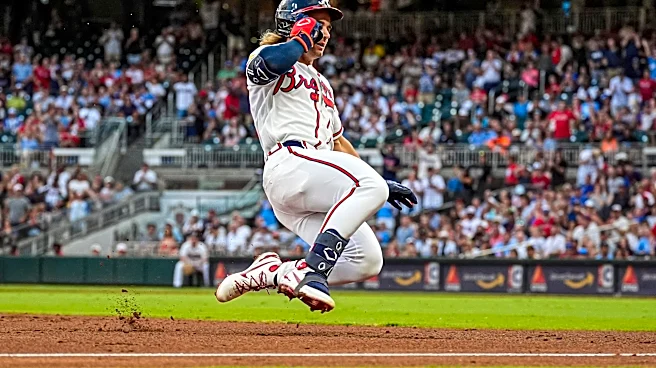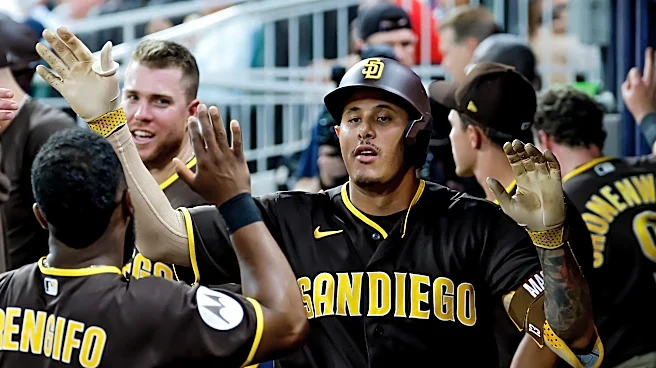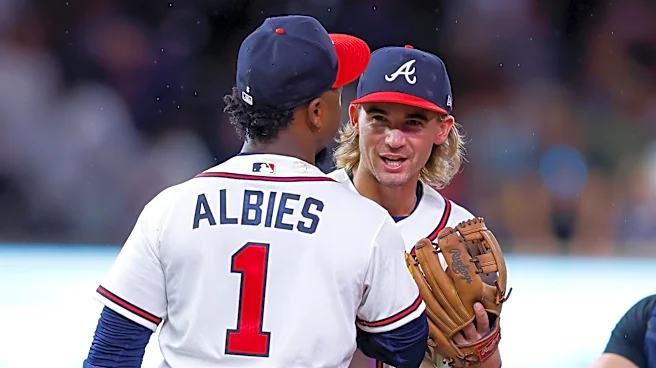



There are 62 games left in the 2026 MLB season for the San Diego Padres. They are one game under .500 and 2.5 games back of the last wild-card spot. The schedule features a road series with the Eastern division-leading Atlanta Braves followed by the Miami Marlins. The Marlins are in the race for the last wild-card spot but are currently tied for the third slot.
Following those two teams, the Padres are playing the Colorado Rockies and San Francisco Giants at home.
The trade deadline, Aug. 3, is two
weeks away. Over these next two weeks, the fate of the 2026 season will be decided. If the Friars don’t put up enough wins to keep them in the hunt for a playoff spot, it will be up to Padres’ front office personnel to decide the future of the rest of the season.
If they win enough to get a few games above .500, the chances are good that president of baseball operations A.J. Preller and his lieutenants will keep the team intact and try to add some help to the roster.
The point is well-taken that what he has to deal with is questionable. The Padres’ prospects haven’t exactly outdone themselves to increase their value this season. Except for catcher Ethan Salas and LHP Kash Mayfield, it is fair to state that most have underperformed.
If the team plays around the same for the next couple of weeks, the chances are 50/50 that guys will leave for other organizations in an attempt to improve this team for next season. There is also a chance that Preller will decide to keep his roster mostly intact and build around it for next year
Labor strife notwithstanding
It is highly unlikely that the labor environment will influence anything at the trade deadline. No team can afford to gamble on what happens in that arena. The assumption that next year will go on as scheduled is most likely the approach all dealmakers will take. Baseball would be foolish to risk their current popularity and momentum. That is most likely the mindset for those not directly involved.
Buy or sell
That is the key question. A big run of good baseball would tip the scales toward buying, but the reality is that the pitching staff is a mess. It is difficult to imagine this group can get the team to where they want to go. Michael King provides the semblance of a dependable MLB pitcher but that’s about as far as it goes.
The series against the Kansas City Royals might have provided a glimpse into the thinking of Padres coaches and front office. Start whichever pitcher makes sense for that particular day and then pull them after three innings or two times through the batting order, at most. Then a long reliever, who could also be a former starter, comes in for as long as he is effective. Patch together nine innings with a piggyback plus bullpen approach.
I don’t recall seeing that before, but it might be the only option available to a team that has no real starting pitchers beyond King. The rest have shown that they are really long relievers, at best.
If this approach can miraculously produce some wins, then Preller can attempt to acquire some pitching to shore the group up for a playoff run. Of course, that assumes the Padres possess any players that other teams are interested in acquiring. Salas and Mayfield are likely candidates and could be his only really valuable pieces for trade.
The subpar seasons for some of the other prospects would logically decrease their value to other teams. Preller has stated that other teams value the Padres’ prospects more than MLB and Baseball America evaluators do. If he is correct in that statement, then there could be more value than we know.
Buying could be difficult, so what about selling?
The Padres have Mason Miller.
Other teams covet him and would be willing to part with quality to acquire him. He has three more controllable years left and is inexpensive for what he provides. I doubt Preller would part with him. Someone would have to blow his socks off.
They also have Adrian Morejón, who would be a two-month rental for a contending team. He is a free agent at the end of the year. The same is true for Jason Adam, who is on the injured list. Ty France, who has been one of the most consistent players this season, would also be a short-term rental for a contending team.
Michael King would be a short-term rental if he were to exercise his opt-out at the end of this season.
That is really the list of major leaguers that are tradeable off the roster. All the players making big bucks have no-trade and partial no-trade contracts.
Standing pat
If nothing looks good to Preller on the trade market, he could choose to play out the line and stand pat. Let these guys fight their way to the end of the season, get the new owners in place for the future, and then hit the restart button for next season.
What we don’t know at this point is whether either Joe Musgrove or Nick Pivetta will pitch any innings for the Padres this year. Both are on a throwing program that could put them on a rehab assignment by next month. There is no way for anyone to know what either will be able to contribute.
The worst-case scenario
Going into the season, the starting pitching was always the most unpredictable part of the roster for the Padres. The offense was decidedly better on paper than last year. It feels like the worst-case scenario has played out. The pitching looked tolerable for a short time, then has fallen apart. The bullpen, overused because of the starters, has faltered over the past few weeks. The offense has underperformed at a level that no one would have anticipated.
Preller is in an unenviable position, but it is one he has largely brought upon himself. With a limited budget, he signed a lot of pitchers who were reclamation projects and then hoped to hit the jackpot. That hasn’t happened. His path going forward looks clouded with uncertainty and poor performance. The next two weeks will tell us what he has chosen to do.