







The Cincinnati Reds are 73 games into their 162 game trek through the 2026 Major League Baseball season. They’re inching closer to being half-done with this latest experiment, and that’s a sample size large enough to begin to make some objective observations.
Some of them stick out like a sore thumb, particularly on the offensive side of things. Two areas in particular, two facets of the game wholly distinct, seem to be defining just who this team is – and, more importantly, why they find themselves
sitting at just 35-38 and in last place in the National League Central division.
We’ll start with the positive.
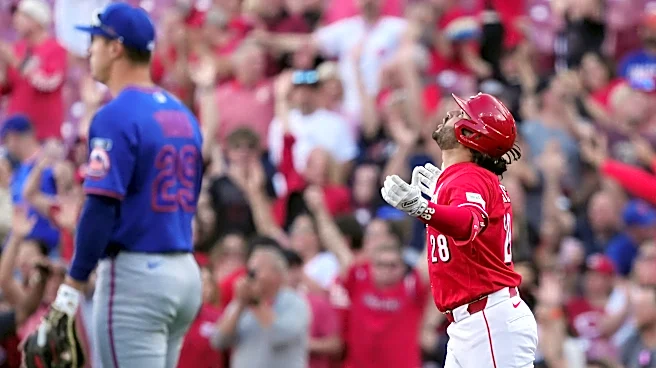
The Reds have stepped to the plate 1540 times, respectively, with nary a runner on base so far this season. In that time, they’ve posted a collective wOBA ove .325, and only four clubs in the sport can boast a better mark. They’re on the heels of both the Chicago Cubs (.326) and the Las Sacoakvegas Athletics (.327), and when I checked this mark prior to yesterday’s series finale against the New York Mets they actually held the #3 mark on this particular leaderboard. In other words, in scenarios in which the bases are empty, only two teams (the Dodgers and Pirates) have been better offensively than the Cincinnati Reds.
The Cincinnati Reds!
Then, there are the scenarios in which the Cincinnati Reds step to the plate with runners on-base.
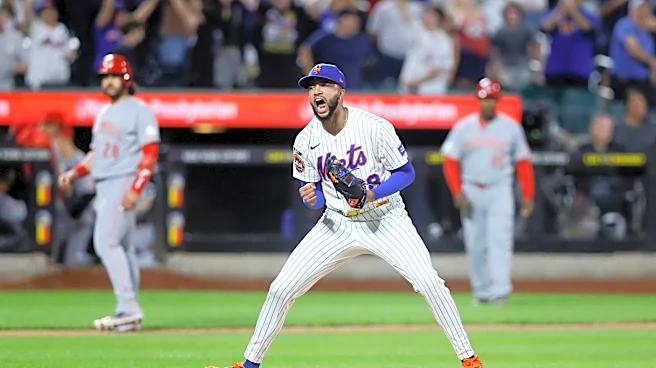
With runners on, there’s not a team in the sport who owns a lower wRC+ (82) than the Reds. Their .298 wOBA ranks 29th ahead of only the Kansas City Royals (.297), and again, when I checked this mark prior to yesterday’s loss to the Mets the Reds held sole possession of dead last outright. The basement here has been Cincinnati’s pretty much all season long, their .259 BABIP with runners on similarly last by a good margin (with Philadelphia’s .270 mark next-worst).
It isn’t as if the Reds become completely different hitters in these situations, either. With the bases empty, for instance, they own a 39.2% groundball rate, a 41.0% fly ball rate, and pull the ball 38.6% of the time. In these positions, they also own a reasonable .287 BABIP. With runners on, they own a 40.0% grounder rate, 41.1% fly ball rate, and pull the ball 38.1% of the time – again, this time with just a .259 BABIP.
Those are two profiles that sure seem similar enough to maybe, just maybe, suggest it’s merely some bad luck that’s in play for the Reds with runners on base. At least, that’s got to be the hope for them right now, seeing as their lack of timely hitting has cost them over and over again already during this season’s first half. And given how beat up and broken their bullpen is, it’s impossible to ignore that they’ll be tasked with playing in games with razor-thin margins for the rest of the 2026 season, scenarios that will inevitably beg them to get big hits with runners on if they’re going to win more games than they lose.
To date, though, they’ve been just about as opposite of one another as they can be in these very defined situations. Hopefully, the regression to the mean between the two is of the positive variety.