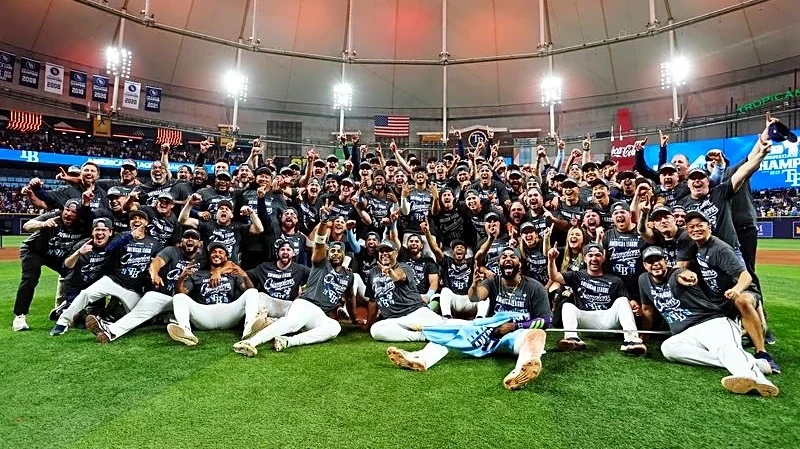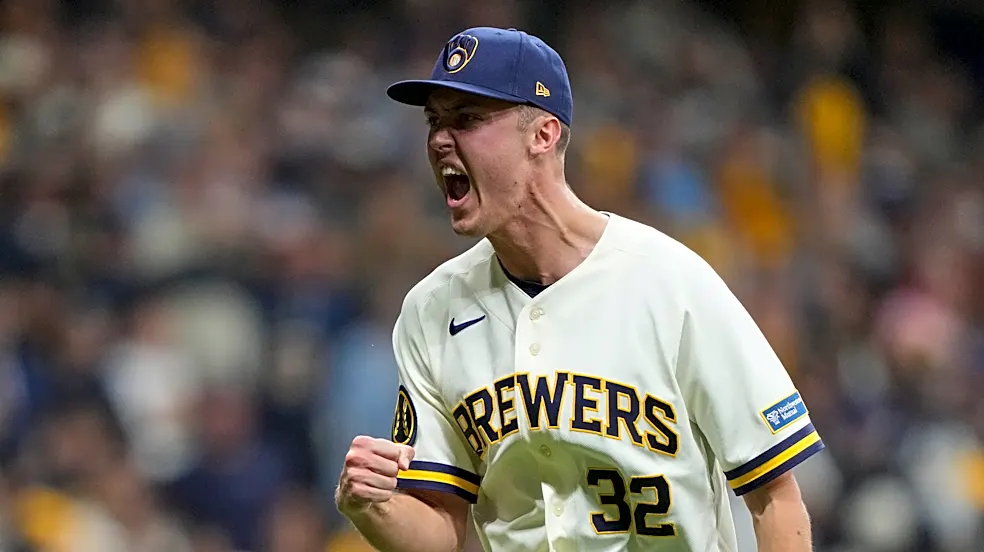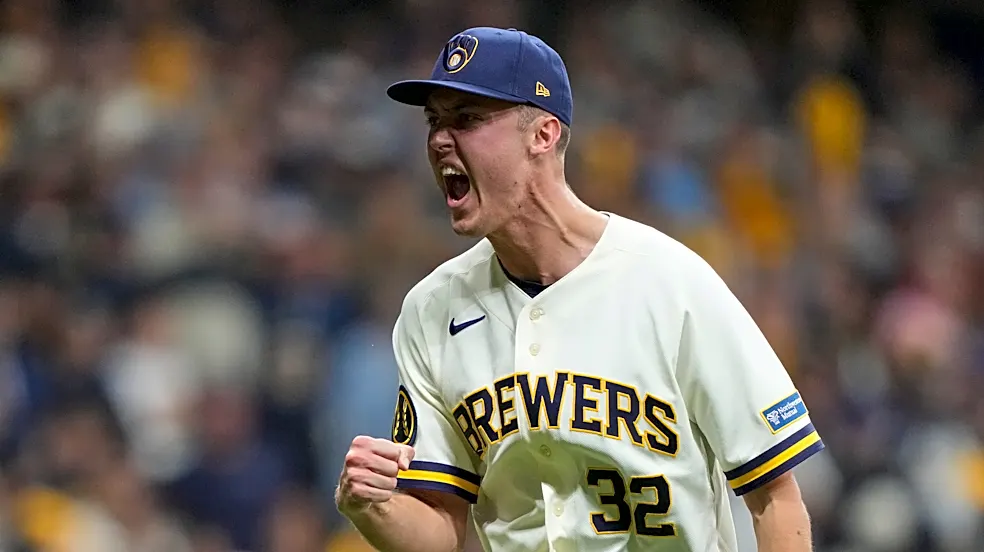

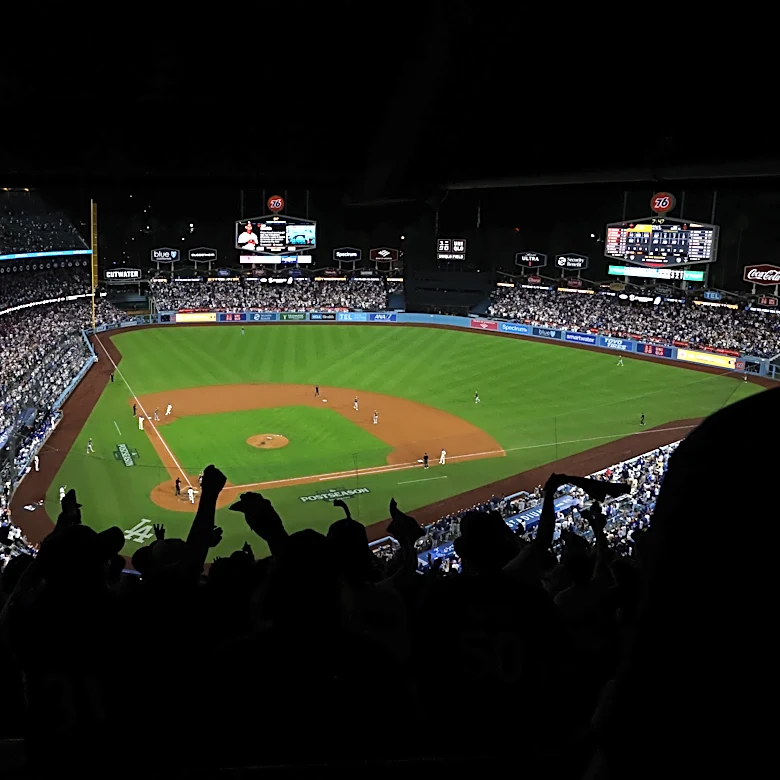

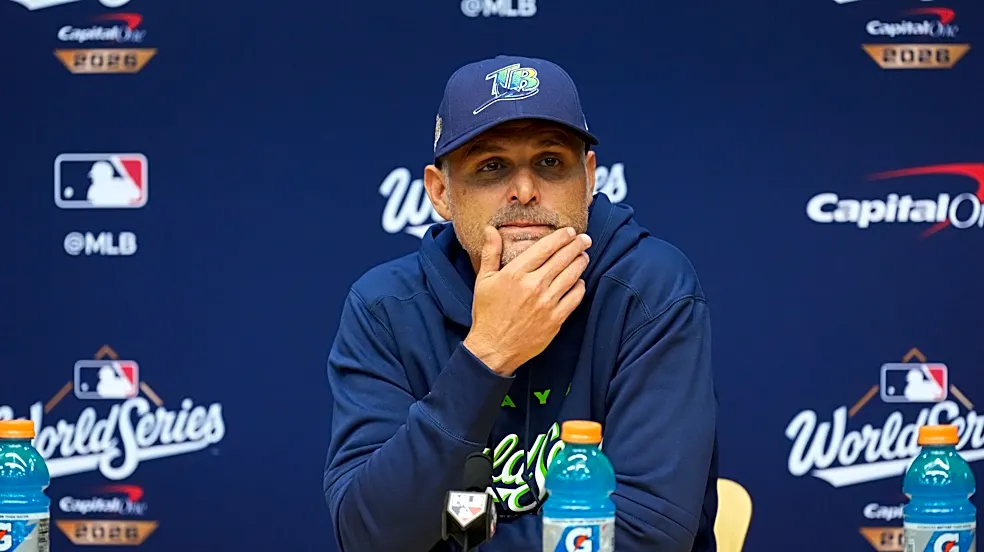
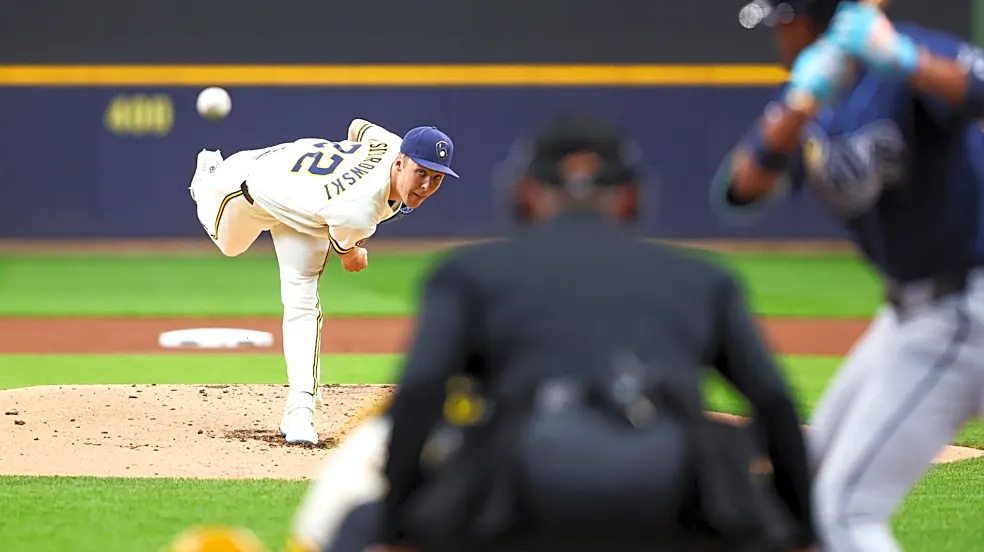
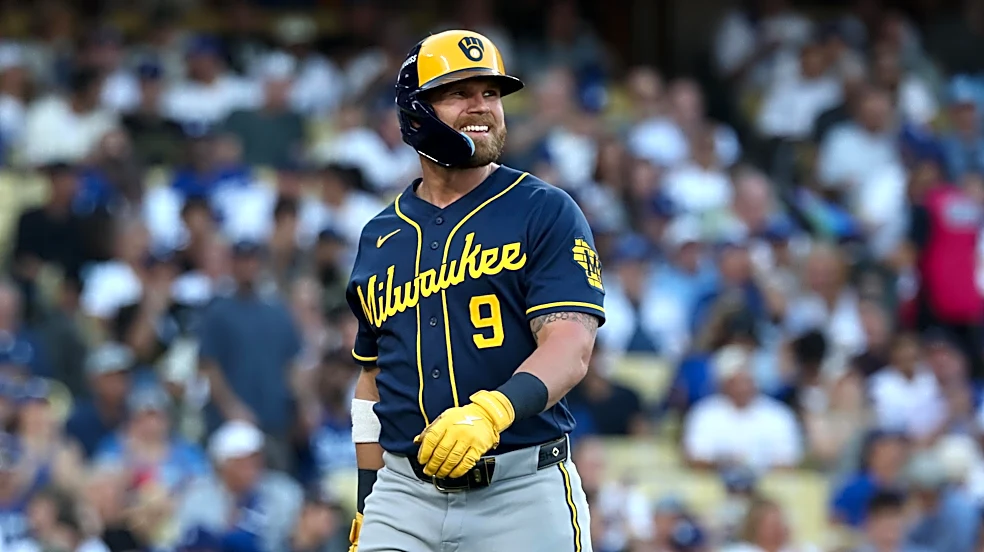

Jacob Misiorowski and Nick Martinez will take the mound Friday night with a World Series championship in their sights. One is a 24-year-old flamethrower who dominated the National League. The other is a 36-year-old veteran whose team has mastered the art of getting the most out of its roster.
Their teams, the Milwaukee Brewers and Tampa Bay Rays, have taken different paths to baseball’s biggest stage. Yet both have something in common with the Chicago White Sox: They have built competitive rosters
without the financial advantages enjoyed by the game’s biggest spenders.
The difference is that they are playing for a championship, while Chicago is trying to determine what it will take to join them.
The White Sox hit 211 home runs during the regular season, compared with 154 for Milwaukee and 169 for Tampa Bay. Chicago also scored an American League-best 776 runs, demonstrating that its offense could produce over a 162-game schedule. But the Brewers and Rays were better at preventing runs, and both finished with higher team batting averages and on-base percentages.
For general manager Chris Getz, the challenge isn’t simply acquiring more talent. It’s identifying which improvements would make the biggest difference in October.
Different offenses, similar ambitions
Milwaukee’s offensive success wasn’t dependent on the long ball.
The Brewers finished with a .258 batting average, .341 on-base percentage and .743 OPS. Tampa Bay hit .259 with a .326 on-base percentage and .728 OPS. Chicago finished at .236, .320 and .726.
Although the White Sox generated more power, Milwaukee and Tampa Bay were more successful at reaching base through hits. That difference offers one explanation for why the two World Series teams were able to create offense without relying as heavily on home runs.
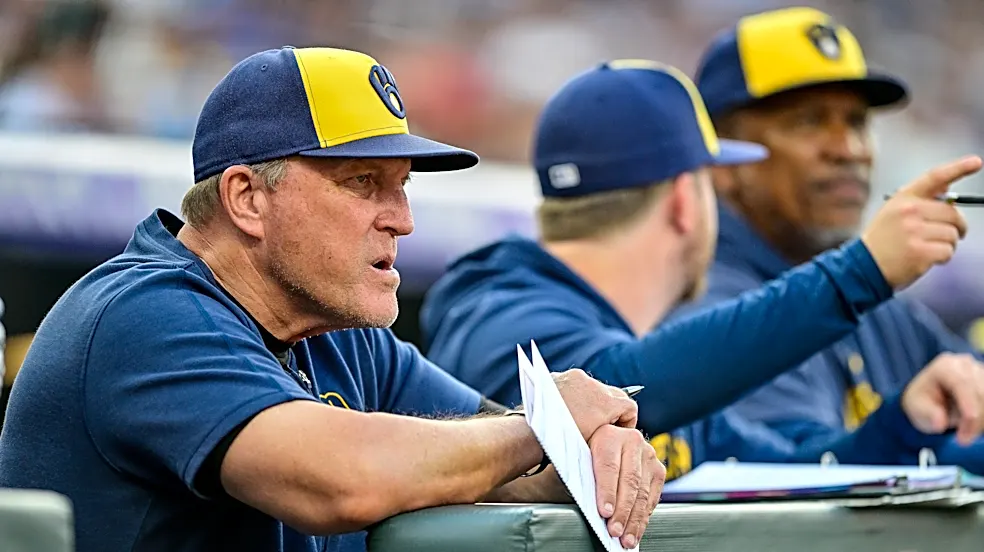
Brewers manager Pat Murphy has emphasized the makeup of his roster rather than its collection of recognizable stars.
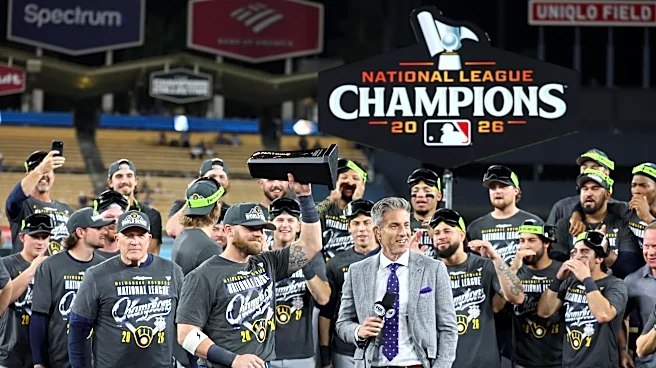
“They may have a bunch of Hall-of-Famers, but we’ve got a bunch of gamers,” Murphy told MLB.com following Milwaukee’s sweep of the Los Angeles Dodgers in the National League Championship Series. “And the gamers won this week.”
Murphy’s comments followed a series in which Milwaukee eliminated a Dodgers roster filled with some of baseball’s most accomplished players.
The Brewers have relied on contributions from Jackson Chourio, Brice Turang, William Contreras and Christian Yelich, combining young talent with experienced veterans.
Chicago has its own promising foundation, including Colson Montgomery, Chase Meidroth, Miguel Vargas, Kyle Teel and Munetaka Murakami. The challenge is developing an offense capable of succeeding against different types of pitching.
The White Sox struck out 1,494 times during the regular season, and their contact problems became especially apparent against Cleveland in the American League Division Series. Chicago struck out 75 times in five games, including a nine-inning record (regular season or postseason) 21 times in its season-ending loss.
“I thought it was less about chase and more about being attacked in the zone and swing and miss in the zone,” White Sox manager Will Venable told MLB.com following the elimination.
His assessment suggests Chicago’s problem wasn’t exclusively plate discipline. Hitters also struggled to make contact against pitches in the strike zone.
That weakness could become increasingly important as the White Sox attempt to advance deeper into October.
Pitching provides the clearest separation
The difference among the three pitching staffs is difficult to overlook: Milwaukee finished with a 3.51 ERA, followed by Tampa Bay at 3.72 and Chicago at 4.12. The Brewers also struck out 25.8% of opposing hitters, compared with 22.3% for Tampa Bay and 21.7% for the White Sox.
But the World Series teams haven’t reached this point using identical pitching strategies.
Milwaukee’s Misiorowski led the majors with a 1.80 ERA, 252 strikeouts and a 0.802 WHIP during the regular season. Tampa Bay has relied on a deeper collection of starters, including Drew Rasmussen, Freddy Peralta and Martinez.
Misiorowski understands that overpowering hitters isn’t always enough in October.
“Obviously the Padres and Dodgers both had a good approach of just fouling stuff off,” Misiorowski told MLB.com before Game 1. “I bet Tampa Bay is going to do pretty much the same thing.”
The comment illustrates a critical difference between postseason pitching and regular-season dominance. Opponents who can extend at-bats and drive up pitch counts can force even the most talented starters out of games earlier than expected.
Tampa Bay’s Martinez has approached his Game 1 assignment with a different emphasis.
“It’s exciting,” Martinez told MLB.com. “As a team, as a staff, we’re confident in whoever we call up for the mound.”
That confidence reflects a pitching staff capable of succeeding through multiple combinations of starters and relievers.
Chicago demonstrated some of that same flexibility during its postseason run, relying on Sean Burke, Hagen Smith, Grant Taylor and others to navigate critical innings. But having pitchers who can fill different roles isn’t necessarily the same as having a dependable rotation.
The White Sox must determine whether their young starters can provide enough consistency over a full season or whether adding an established veteran should become an offseason priority.
Building a contender without buying one
Milwaukee and Tampa Bay have also demonstrated that there is no single formula for constructing a championship roster. The Brewers have benefited from developing homegrown players, while the Rays have consistently used trades and roster flexibility to maximize production.
Neither organization entered the season with one of baseball’s largest payrolls.
For Getz, that distinction is particularly relevant.
Chicago’s unexpected postseason appearance was driven by a collection of young players who were still developing at the major league level, and the general manager has emphasized that the organization must continue building on those gains rather than assuming the current roster has reached its potential.
“We were able to get more positive outcomes this year because of that,” Getz told MLB.com while discussing the organization’s emphasis on player development.
The White Sox have accumulated considerable organizational depth, particularly in the infield, creating opportunities to explore trades or move players to different positions.
That flexibility could become valuable if Chicago decides its greatest need is starting pitching rather than another offensive addition.
The Brewers and Rays provide evidence that successful organizations don’t necessarily need to win the offseason spending race. They need to identify players who fit their approach and develop enough depth to withstand injuries, inconsistency and the demands of October.
The difference between reaching October and winning in it
Getz acknowledged that Chicago’s first postseason appearance since 2021 provided lessons that could not have been duplicated during the regular season.
“Some of our players responded really well, and there were times where they got sped up,” Getz told MLB.com during his end-of-season media availability.
That experience could prove valuable for a young roster that had little previous exposure to postseason pressure. But experience alone won’t close the statistical gaps.
Milwaukee and Tampa Bay finished with better pitching numbers and stronger team batting averages. Chicago’s power and ability to draw walks made its offense competitive, but the strikeout problem exposed a weakness that elite pitching staffs could exploit.
The White Sox don’t necessarily need to abandon their approach, but they need more ways to succeed when their preferred approach isn’t working.
As the World Series begins, Chicago fans should watch how the Brewers and Rays handle two-strike counts, extend at-bats, deploy their bullpens and create scoring opportunities without home runs. Those details could give the White Sox a clearer blueprint than any individual free-agent signing.
Milwaukee and Tampa Bay aren’t playing for a championship because they followed the same formula. They’re playing because each organization found a formula that worked.
Chicago’s next challenge is determining what its own formula is missing.