

Thirty-second in pre-snap motion rate and 29th in play-action rate.
Those numbers became a frequent topic of conversation after the New England Patriots’ lopsided 35-6 loss to the Jacksonville Jaguars in Week 3. The figures were cited to explain why the Patriots’ offense ranked near the bottom of the NFL in scoring (31st), averaging just 12 points per game through those first three weeks.
New England’s offense had been stagnant; quarterback Drake Maye struggled to find a rhythm in the pocket, the team
fell to 1-2 on the season and its rushing offense ranked dead last in success rate at 28.4%.
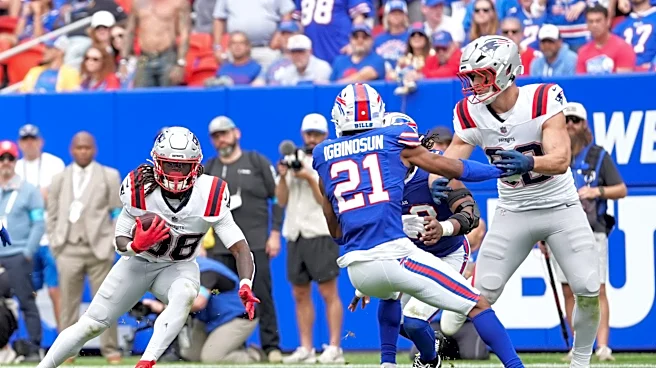
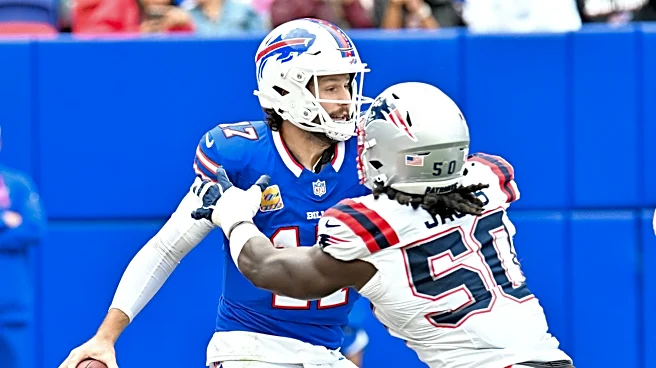
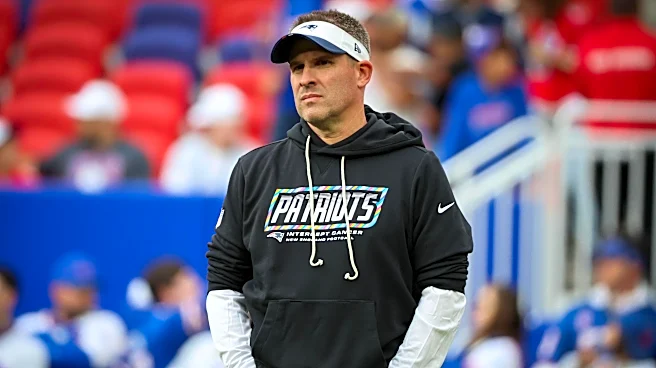
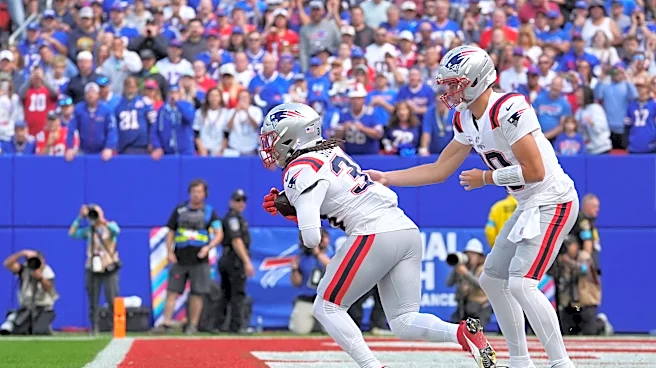
But against an undefeated divisional rival, the Buffalo Bills, on Sunday, offensive coordinator Josh McDaniels shifted the game plan, and the team exited Orchard Park with a convincing 29-26 victory.
What changed exactly?
Heavy pre-snap motion usage
Leading up to the Week 4 game, McDaniels addressed the offense’s shortcomings by moving players across the formation more frequently.
With New England incorporating pre-snap motion on 75.3% of its offensive snaps — a 21.3% increase from the previous three contests — Buffalo had to adjust on the fly after watching three weeks of film that showcased a largely predictable offense.
By moving their skill players into different formations, the Patriots made it difficult for the Bills to diagnose whether Maye would drop back to pass or hand the ball off to Rhamondre Stevenson or TreVeyon Henderson. McDaniels’ adjustment also seemingly assisted a struggling Maye in grasping a better indication of what Buffalo’s defense was planning, whether a defender followed a moving receiver or shifted their positioning.
While additional factors play into Maye’s improvement and pre-snap motion is not the be-all and end-all indicator, it’s not a coincidence that the signal-caller had his most productive and technically sound performance of the 2026 season when New England ran its most pre-snap motion since Week 15 of 2023.
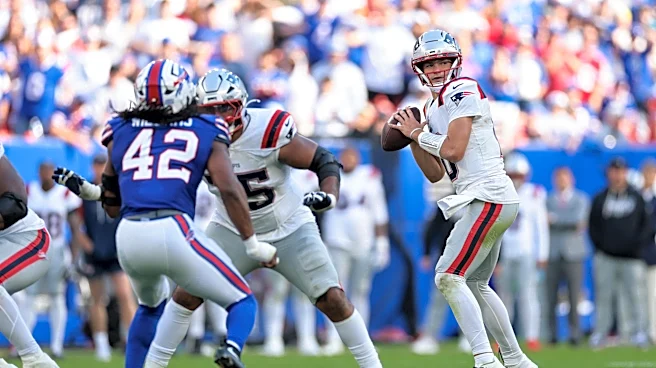
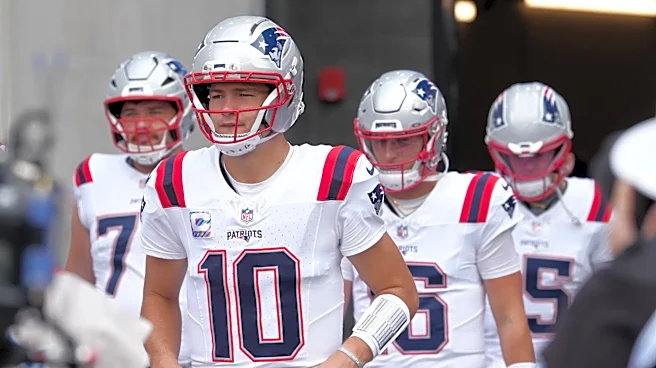
Maye concluded the matchup passing for 269 yards, three touchdowns and just one interception, leading an eight-play, 73-yard game-winning scoring drive late in the fourth quarter. And even though the third-year quarterback said he’s “always going to be confident” in his ability to make plays after the loss to Jacksonville, it’s evident he was more comfortable operating in the pocket against the Bills.
On the Patriots’ opening drive, Maye and center Jared Wilson fumbled an exchange under center. The third-year quarterback, having to circle the perimeter of the pocket to corral the loose ball, briefly scanned the field three seconds into the play and completed a first-down pass to Hunter Henry. Five plays later, New England took an early 7-0 lead.
McDaniels also increased deception after the snap.
More play-action
The Patriots’ play-action rate increased by 15%, reaching 35.7% of offensive plays on Sunday. New England scored its first touchdown off a play-action snap, using multiple elements to deceive the Buffalo defense.
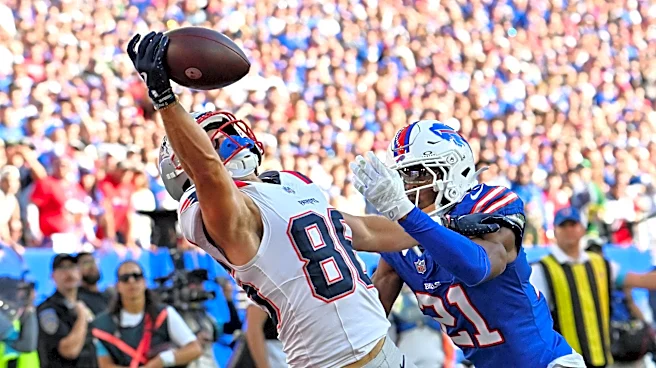
Maye, receiving a snap from the opposing nine-yard line, faked a screen pass to DeMario Douglas before simulating a handoff to Stevenson. With the Bills blitzing five rushers, Maye fired a pass over the middle of the field, connecting with Romeo Doubs on a skinny post in the end zone.
Play-action adds another layer to the Patriots’ passing game and also benefits the ground attack. Based on New England’s previous usage, running more play-action made the offense harder to diagnose and forced opposing linebackers and defensive backs to respect the pass when the offense lined up in a run look.
And while the offensive line also improved up front at the point of attack, the Patriots’ expanded approach led to a more dynamic offense.
A creative rush attack
Similar to New England’s motion and play-action rates increasing, its run success rate rose to 44.8%. While still below the league average in Week 4, it’s a formidable improvement.
That jump also connects back to McDaniels’ use of pre-snap motion. The tactic appeared more often in the ground game, not just on passing downs.
One advantage of using pre-snap motion before a run play is that it can force a defender to adjust their alignment, potentially pulling bodies away from the run’s intended path. On Sunday, Stevenson rushed for 47 yards and one touchdown on 13 carries, which is a significant improvement from Weeks 1 and 3.
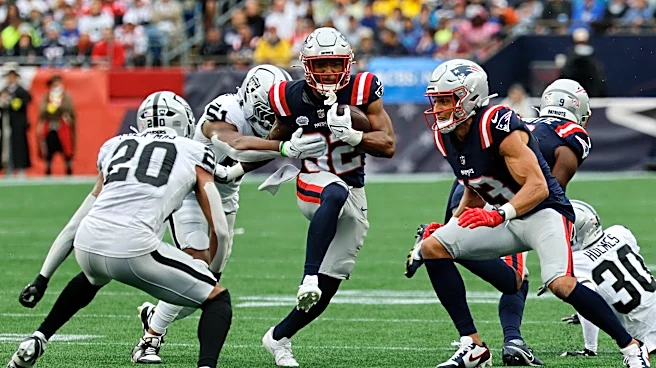
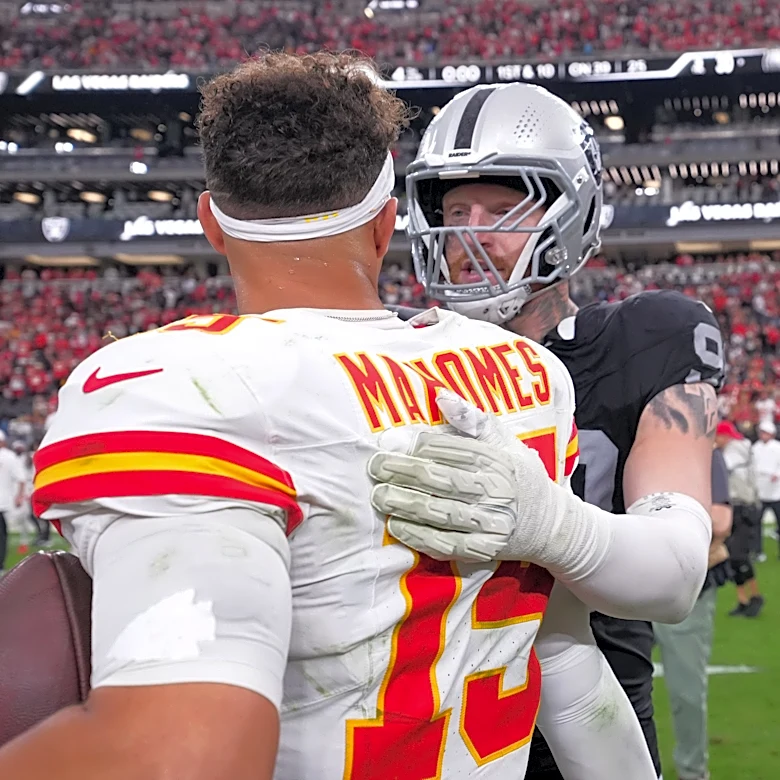
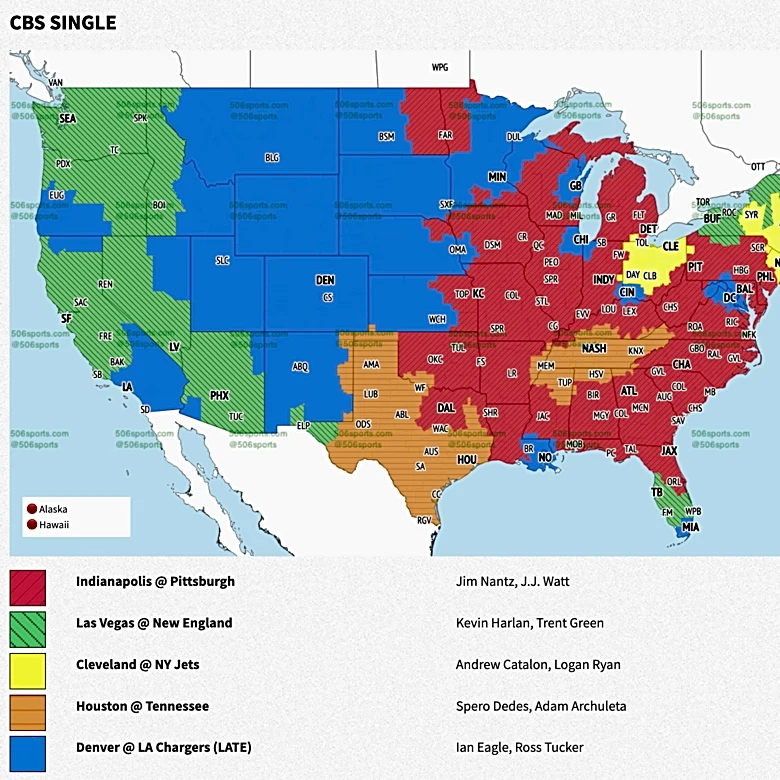
Sunday’s performance offered a blueprint for how the Patriots can expand their offense after three startling weeks to open the season. However, whether McDaniels and Co. maintain these adjustments remains to be seen, starting with New England’s matchup against the Las Vegas Raiders this Sunday.