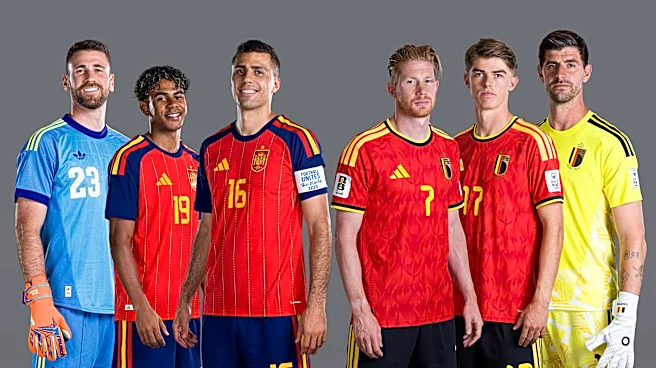





How many FIFA World Cup quarterfinals have Spain and Belgium each played since the start of the century? Surprisingly, the same number.
Including 2026, Spain has played three, and so has Belgium. However, there is hardly a similarity to them despite this number. The last quarterfinal Spain played was 2010 — the year they won, and Belgium last played in 2018.
This World Cup presents the story of two resurgences. One of a nation that had seemingly used up all its talent and luck after a series of trophies.
The other is the story of the dark horse side — always the bridesmaid, never the bride. This year was Spain’s comeback, after years of tinkering, and Belgium’s golden generation giving their best shot one last time.
Unfortunately for Belgium, their golden generation keeps running into the strongest opponents at the wrong time. Hence, they see themselves out the World Cup at the hands of Spain.
Here is a recap of the game.
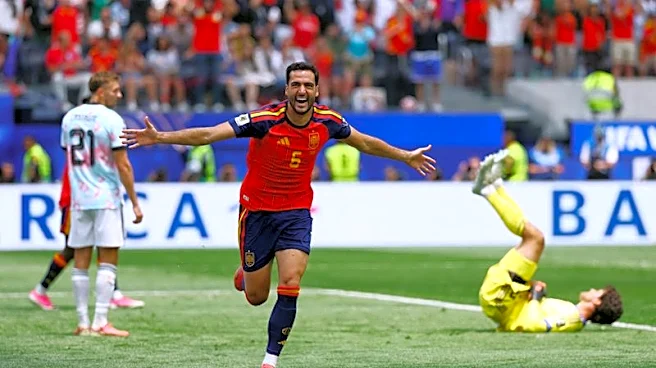
Off the bench and into the net — Fabian Ruiz opens the scoring for Spain
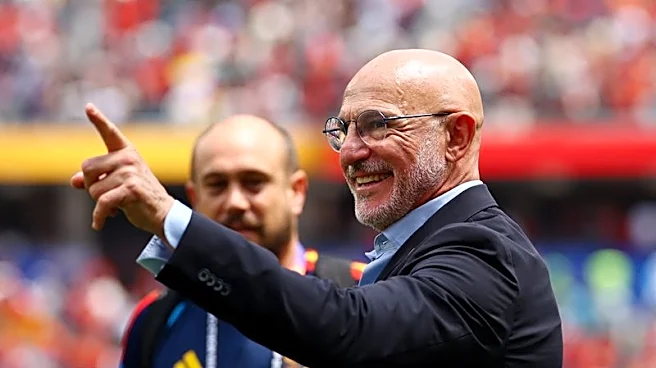
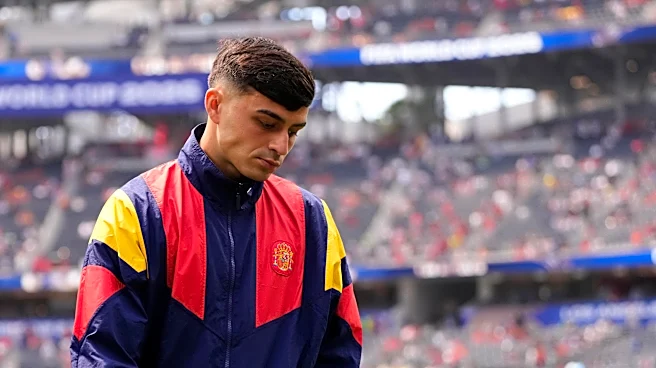
Spain made only one crucial change ahead of the game — Pedri moved to the bench, and instead of him, Fabián Ruiz was chosen to start alongside Rodri. The goalscorer from the Portugal game, Mikel Merino was on the bench too. None of this was surprising — Luis de la Fuente had made very few changes to his side since the start of the World Cup.
This game was textbook modern Spain. Earlier in the World Cup, when Germany lost in Paraguay, Bayern Munich and German legend Philipp Lahm wrote in The Athletic, a column about Germany’s need to rebuild. In this article, he’d spoken off-handedly about Spain with reference to footballing identity. “Spain play like Spain: possession, two genuine wingers, the ball worked into one-on-one situations, again and again,” he said.
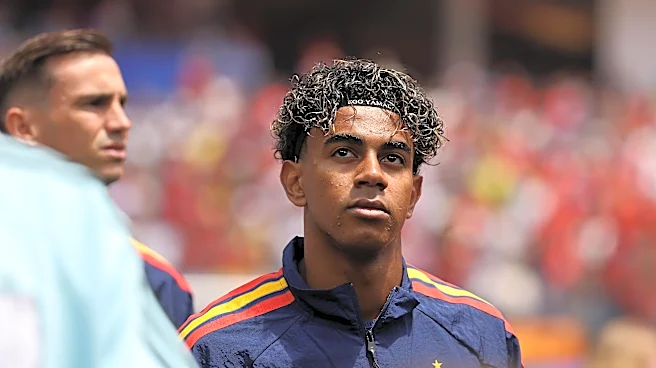
Following their fall from grace, Spain rebuilt themselves with the core of a Spanish midfield who controlled possession, adding on wingers like Lamine Yamal who would progress the attack using 1v1 situations. It was no longer possession for the sake of it — but possession with the intent to create. Doing away with tiki-taka perhaps was the most crucial change that made this Spain side work.
This game was no different tactically. Spain settled into possession rather early, making chances and threatening the Belgian defense. The defense responded too — early chances were snubbed by center-backs Brandon Mechele and Nathan Ngoy. Though Yamal was yet to find his footing within the first 20 minutes, the game was not any easier for the Red Devils. In response, they created a few solid chances with Jeremy Doku, but they too were blocked.
It took half an hour for Spain to break the deadlock, minutes after their first hydration break.
This began from a one-two Pedro Porro played to Yamal. Porro received the ball from Yamal to the right of the box and passed to Dani Olmo. Olmo’s shot was blocked by Thibaut Courtois, but on the receiving end of the rebound was Fabián Ruiz who took his shot before the Belgians could recover.
Spain kept up with the momentum — Yamal won them a free-kick within shooting range, only for his shot to be saved. Laporte and Baena were very close to the second goal, until the latter was made to stop because of a handball. Yet again, the ball finds Yamal as Rodri gets the ball to the youngster, but only to hit the side net.
Charles De Ketelaere pulls one back for Belgium
In the 41st, Belgium killed the momentum Spain were playing off.
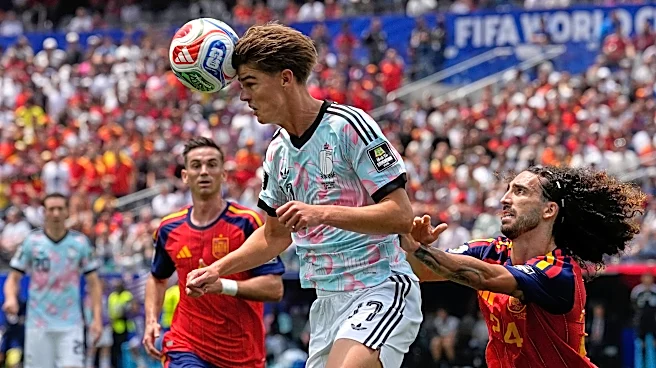
Following a blocked shot from Leandro Trossard, Kevin de Bruyne picked out Timothy Castagne at the edge of the box, who then crossed to a wide open Charles De Ketelaere. The attacker got past Cubarsí and headed it into the net. This goal brought about an interesting stat — Belgium are the only nation to have scored against Spain this World Cup.
Merino wins Spain the game, again
The second half was filled with major chances to both sides, but not of enough significance. Yet again, we saw the importance of Yamal to this attack. Forget club football — it is for Spain that you see just how potent an attacker he is. Spain, yet again, continued to dominate the flow of the game. This is where the importance of manager Luis de la Fuente must be emphasized. He had managed the youth sides before making his way into the first team, and as a result was familiar with the youngsters who too had ascended through the ranks. He fielded a team based on the system he had in mind.
Save after save, block after block, the game went on.
Until disaster struck.
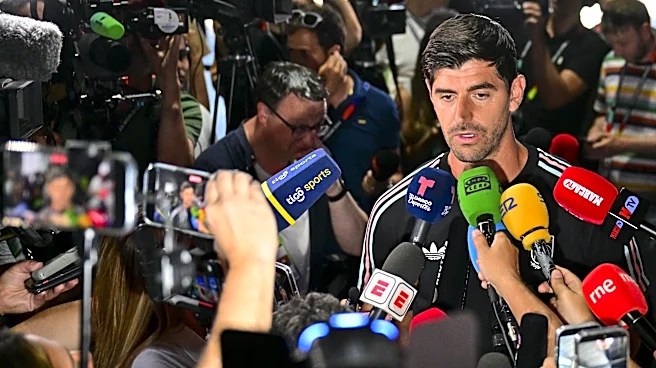
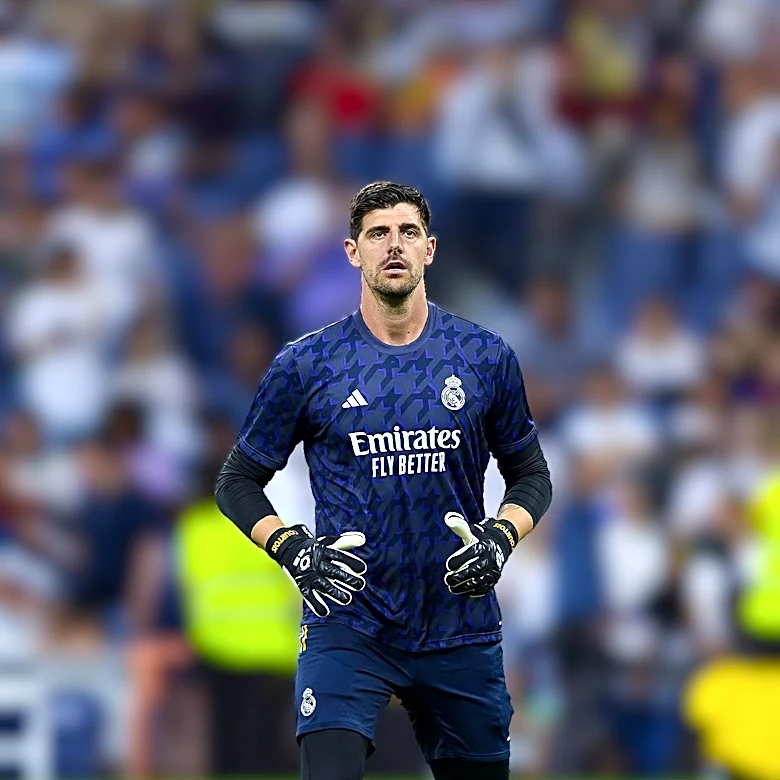
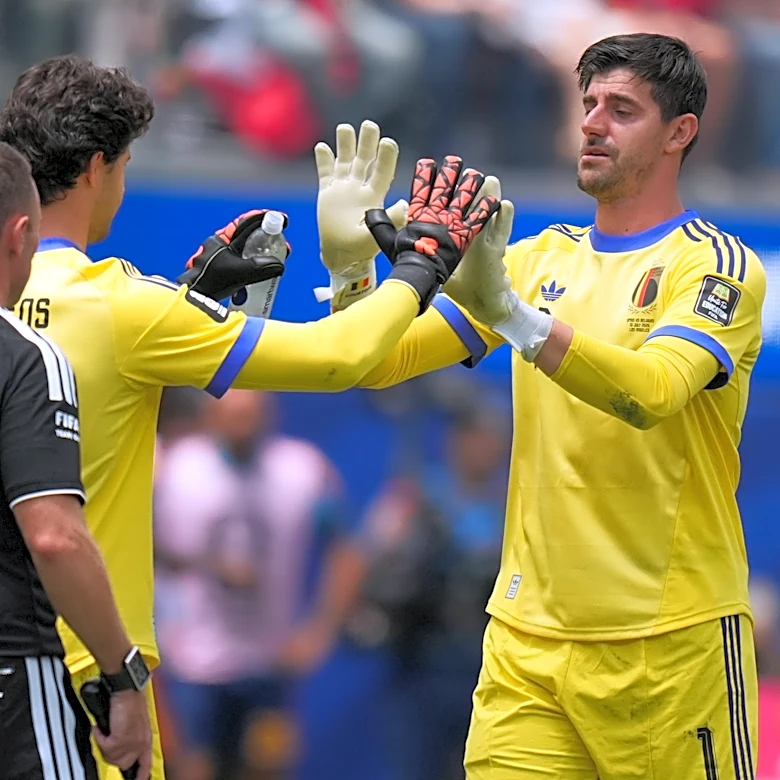
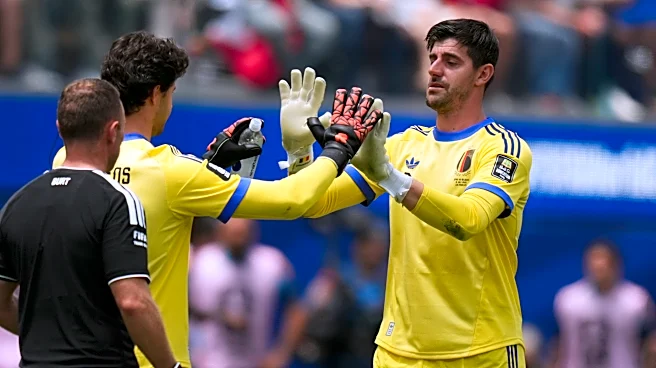
At around the 65th minute, Courtois had sustained a thigh injury, and was evaluated through the hydration break. He seemed to have been cleared to go back in, but a mere minute later, he had asked to be substituted. Senne Lammens was brought on as his replacement.
Can you imagine being 24, and out of nowhere, being thrust into the most important game of your career? This is precisely the predicament Lammens found himself in. The multiple attempts Spain took after this were promptly cleared by the defense before the goalkeeper could get to them. It was not the substitution of a goalkeeper that left Belgium in a tough spot, it was that subbing on a keeper meant fewer substitutions could be made for infield players. Manager Rudi Garcia could not sub off aging players who clearly needed to come off for fresher legs. Only one sub left, and he had to time it right.
Soon enough, De Bruyne picked up a yellow and Garcia got him off the pitch promptly, putting in Alexis Saelemaekers. On the other side, de la Fuente made the most crucial decision — he brought on Mikel Merino. A minute later, Merino scored.
A simple error from the young keeper Lammens saw Merino carry Spain into the semi-finals.
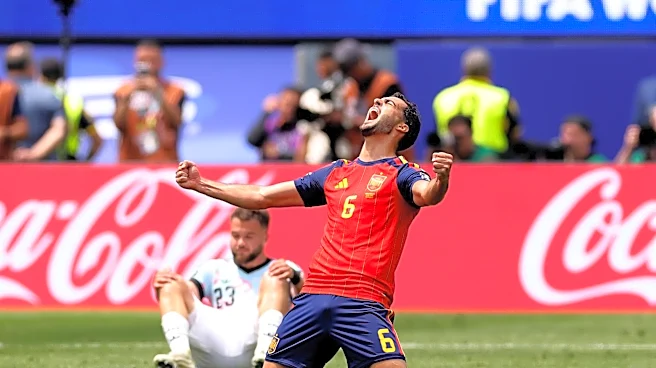
Following blocked attempts from Yamal, Pedri brought the ball to Cubarsí, who took a shot from outside the box. Lammens saved it, only to let the ball spill into the feet of Merino. Merino wasted no time in smashing it into the net.
A few minutes later, Doku looked to have found the equalizer with Lukaku, but this was promptly cleared by Laporte. And Belgium could never pull one back.
This was the end of the game and also the end of Belgium’s golden generation.
Yet again, the Red Devils found themselves facing the one of the best in the tournament. At the peak of the golden generation, it was the 2014 finalists, Argentina. In the 2016 EUROs, it was Gareth Bale’s Wales who had a generational run. It was the French powerhouse in 2018, and in the 2021 EURO when it finally seemed like they could win, it was Italy’s best. And now in 2026, it is Spain reborn.
What lies ahead of Belgium? Only time will tell. They were not a terrible side by any means. Just a tad short of fire and luck. And hopefully, someday, they finally find it when they need it. While Spain move on to meet bigger fish, Belgium go home, pondering on what could have been.
Join the conversation!
Sign up for a user account and get:
- New, improved notifications system!
- Fewer ads
- Create community posts
- Comment on articles, community posts
- Rec comments, community posts