

The NFL developed the compensatory pick system as a way to balance free agency for teams who can’t afford to retain their talented players. In short, the NFL provides extra resources to teams who lose more talent in free agency than they add by giving them extra draft capital in the following year’s draft. The details of this formula are extremely complicated—weighing the length and value of each contract signed in free agency, as well as incorporating the snap counts of players added and lost. But
there is one significant loophole that needs to be closed, and the New York Giants gamed this system while the Detroit Lions were on the loser’s end.
On the Monday after the NFL Draft, free agency signings no longer count against the compensatory pick formula. That means any free agents signed or lost after that deadline will not impact a team’s formula to gain extra compensatory picks next year.
The rule may have been well-meaning at first—perhaps encouraging teams to sign veterans who still hoped to continue their careers—but teams have started to manipulate this rule to their favor, and the Giants may have been overly blatant with it this year.
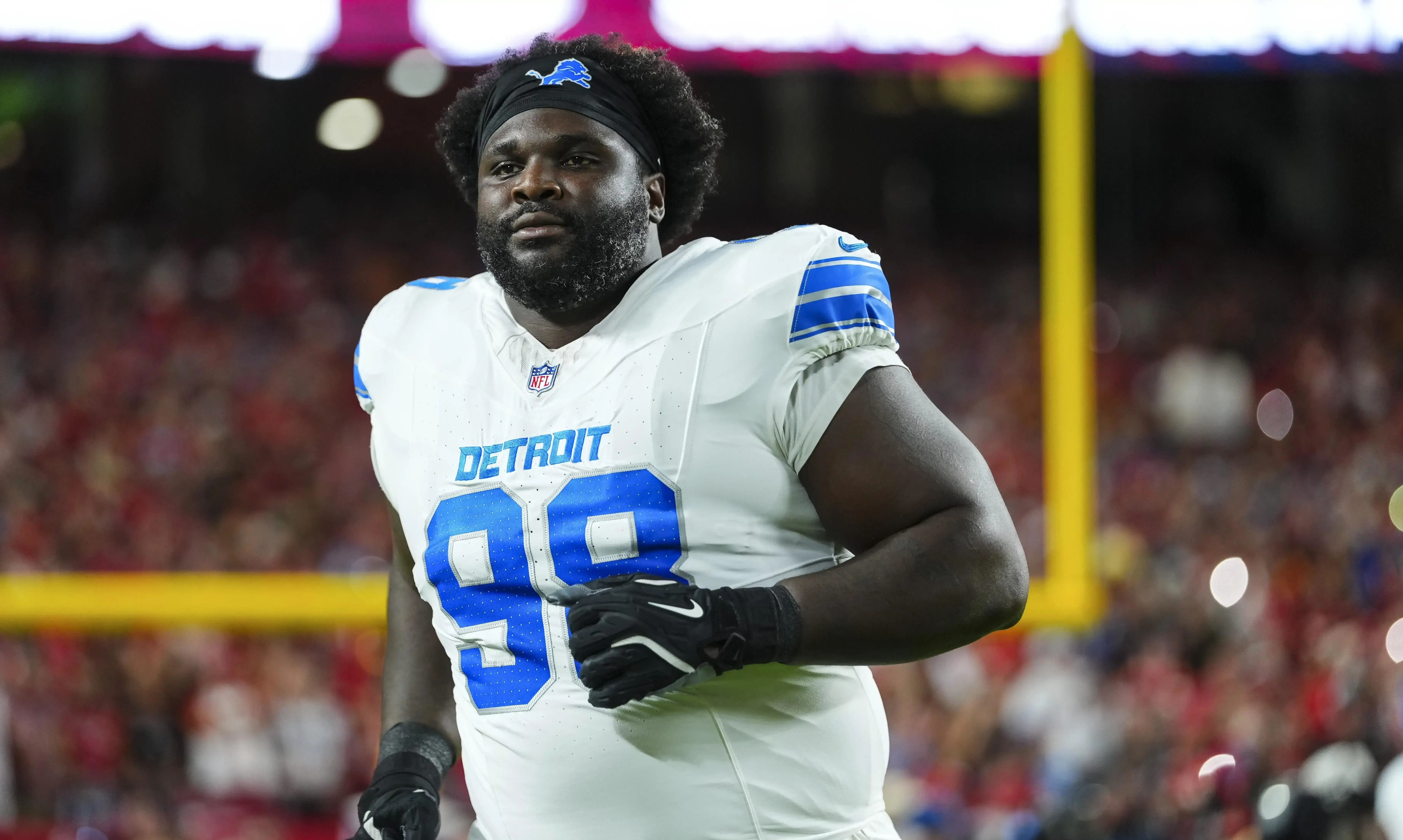
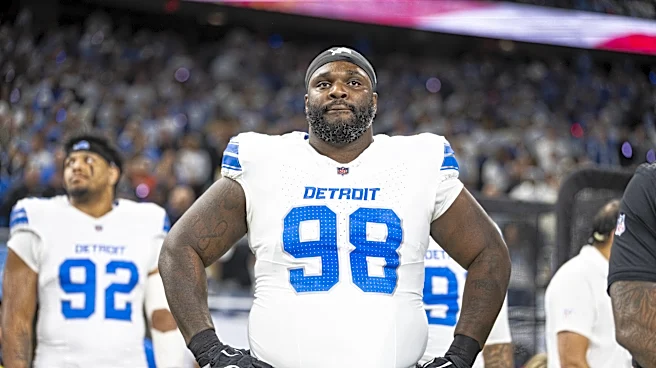
On Tuesday, the Giants agreed to terms with former Lions nose tackle DJ Reader on a two-year, $12.5 million deal. Now, it’s not uncommon for veterans like Reader to wait until after the NFL Draft to sign, because they want to see which teams have the best pathway to playing time or sometimes they want to avoid offseason activities.
But in the case of Reader, there is something fishy going on. First off, Reader visited the Giants on April 13—10 days before the 2026 NFL Draft. Shortly thereafter, there were already reports that New York was expected to sign Reader—thought it could certainly be argued that these reports were more speculative in nature.
While it’s certainly possible Reader wanted to indeed wait until he saw what the Giants did in the draft—New York waited until the sixth round to take a nose tackle—it’s far more likely the two sides waited until after the draft to circumvent the compensatory pick formula.
As it stands, the Giants are projected to earn a 2027 fourth-round compensatory pick after Wan’Dale Robinson signed a four-year, $70 million contract with the Titans. If Reader’s reported deal were to count in the formula, it would likely downgrade that pick to a later round. There’s a clear motivation for the Giants to wait.
On the Lions’ side, they are already projected to pick up two sixth-round picks in 2027. Reader’s loss, if it had counted against the formula, could have added another sixth.
Now, there is a chance the league could intervene, as Over The Cap’s Jason Fitzgerald suggested back in April.
But it is extremely rare for the league to offer this kind of ruling.
Even if the Giants were honest in their pursuit and signing of Reader, this rule is broken. If the purpose of the compensatory pick system is to reward teams that lose talented players, there’s no good reason Detroit shouldn’t get the benefit of compensation for losing Reader. The deadline has outlived its usefulness. It’s time to get rid of it.
The Giants are not the first team to do this, and they’ll likely not be the last. But it’s still a loophole the NFL would be wise to close, because the entire process is being undermined by moves like this.