

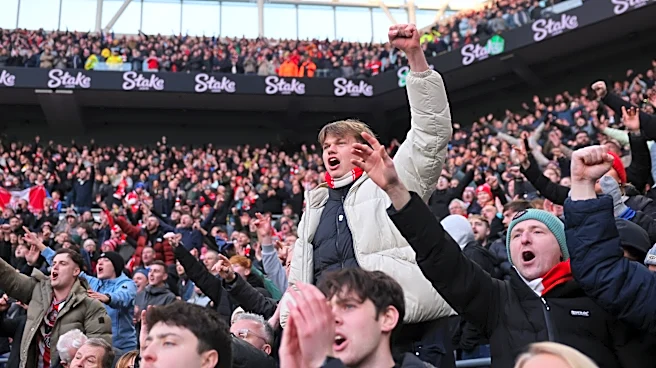
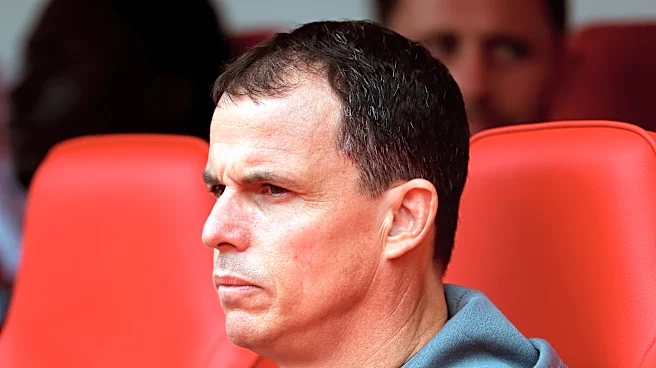
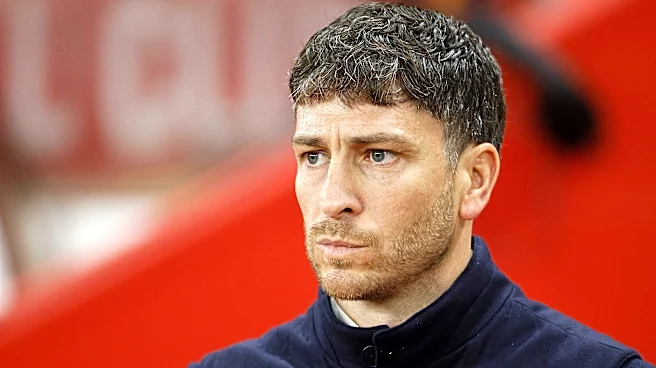
Only weeks into the season, you could audibly hear and physically feel the toxicity that surrounded the Stadium of Light after just two games and only one home fixture. Sunderland had suffered their second defeat of the campaign, and already the atmosphere around the club felt like that of a team rooted to the bottom of the table after twenty games.
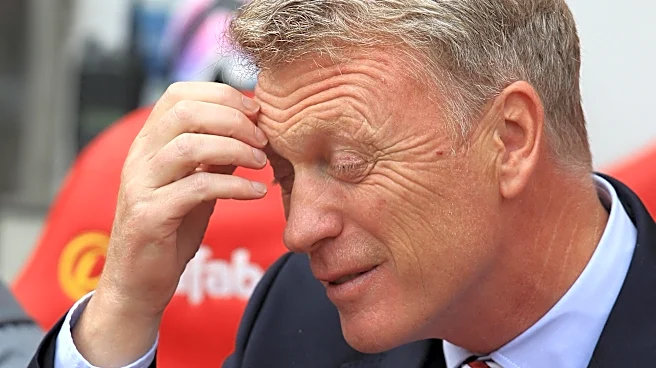
David Moyes had only recently been appointed as manager, taking over from Sam Allardyce, who had departed to take charge of the England national team.
The Scot had been handed the unenviable task of taking over without having the opportunity to build his own squad during the summer, yet the negativity surrounding the team was already reaching remarkable levels.
Whether it was a combination of the perceived lack of quality in the transfer window or the continuous poor starts to seasons that had become a familiar feature of Sunderland’s recent history, supporters were far from happy and appeared unwilling to give the new manager much leeway.
The club still needed reinforcements and, although Moyes had brought in a number of new faces, few had done enough to inspire confidence in the opening weeks. Papy Djilobodji, in particular, already looked like an utter flop after just two games. Such was the lack of inspiration among the new arrivals that academy graduate Lynden Gooch had arguably been the most impressive performer in Sunderland’s opening two matches.

History now shows that Moyes had inherited a mess, but it must also be acknowledged that, at the time, it appeared as though the Scot was already waving the white flag without any great desire to fight his way out of the negative situation.
Following the home defeat to Middlesbrough, Moyes admitted that the club were already in a relegation scrap and suggested that things were not going to get any easier.
When a BBC reporter put it to Moyes after the game that Sunderland supporters were already fearing a relegation battle, the new manager responded in unequivocal fashion.
“Well, they would probably be right.
That’s where they’ve been every other year for the last four years, so why would it suddenly change?
I don’t think you can hide the facts. People will be flat because they are hoping that something is going to dramatically change – it can’t dramatically change, it can’t.”
History has been somewhat kinder to Moyes in hindsight. The truth is that Sunderland were facing an incredibly difficult campaign, and his assessment of the situation was not without foundation.
However, to acknowledge that reality after just two games sent an ominous message to players and supporters alike. At such an early stage of the season, Sunderland needed inspiration rather than desperation.
The warning signs were already there under Moyes. As defeats began to pile up and potential victories, such as the game against Crystal Palace, turned into further misery, it became increasingly clear that the manager had predicted the fate that ultimately awaited his side.
What followed was one of the most miserable campaigns in Sunderland’s recent history, but perhaps the most revealing moment came remarkably early.
After just two games, Moyes had publicly acknowledged the relegation battle that awaited his team. In hindsight, it feels less like an honest assessment of Sunderland’s predicament and more like a glimpse into the mindset that would ultimately define his time on Wearside.
The season had barely begun, yet the white flag already appeared to be waving.