

It feels like forever since the Phoenix Suns played, but now that we’re only a month away from the start of preseason, the excitement can finally start to creep in. We’re not quite there yet, but now that the calendar says September, it feels a little easier to look forward rather than backward. Still, when you do look back at what the Suns accomplished this offseason, you have to ask yourself one question. How good of a job did they actually do?
After exceeding expectations last season, we knew the
pressure would increase heading into this offseason and eventually into the 2026–27 campaign. One of the challenges that comes with success is knowing how much to change without disrupting what already worked.
We see teams struggle with that all the time. The Charlotte Hornets are a good example this offseason. Even though they didn’t make the postseason, they finally experienced some success as an organization. Their response was to trade LaMelo Ball, trade Miles Bridges, and pivot. It almost reminds me of the 2005–06 Phoenix Suns. That team took the league by storm in 2004–05, then pivoted by trading Joe Johnson over a petty contract dispute, moving Quentin Richardson, and resetting 40% of the starting five.
The Suns didn’t do that this offseason. Sure, they had opportunities to. After tasting a little success, there were undoubtedly chances to change things up. They also had free agents who could have gone elsewhere, which would have forced the organization to pivot. Instead, the culture and identity the Suns began establishing a summer ago took root. Players returned on discounted contracts, and for the most part, Phoenix can now lean into continuity and development rather than spending another offseason introducing its scheme and system to an entirely new group of players. That is probably the biggest reason Suns fans graded the offseason so favorably.
In our latest survey, 62% of the community gave Phoenix a B, while another 25% gave the Suns an A.

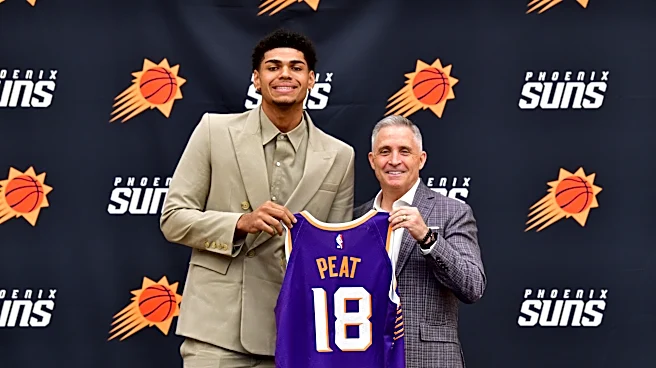
I give the team an A. I honestly believe they upgraded the roster, performed extremely well in the draft, and, especially given the restrictions they were working under, put together a team that maintains the continuity they wanted while reinforcing the type of player and identity they’re trying to build around. Maybe I’m smoking a little hopium here, but I thought the responsible way to move forward this offseason was to avoid shaking things up too much.
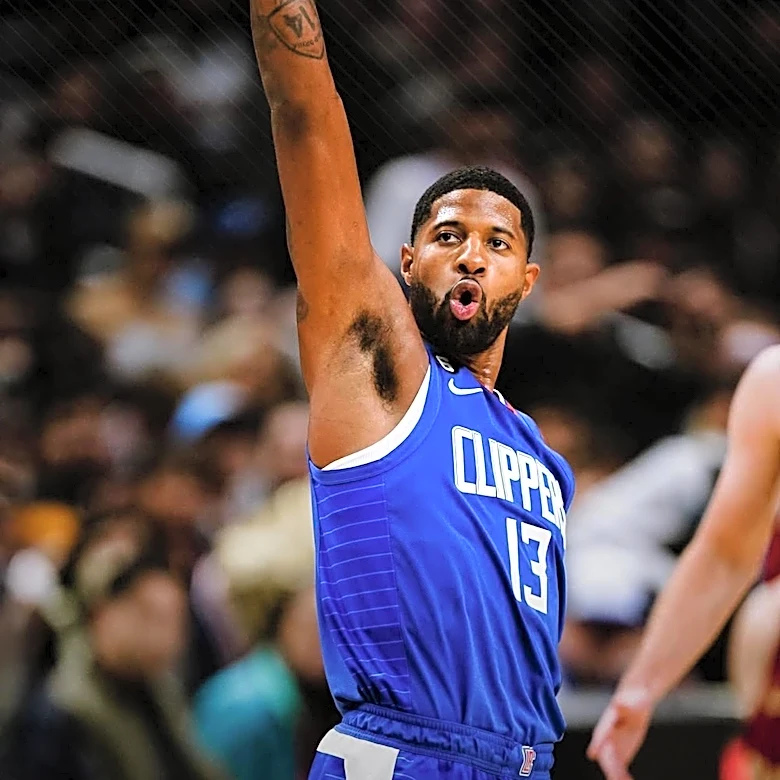
Moving off Royce O’Neale and Grayson Allen wasn’t something I was necessarily a fan of, but it’s also something I can forgive. They’re two players who are getting older, and the Suns wanted to maximize their return. If that return ultimately becomes Miles Bridges and Luke Kennard, seeing as the Bridges deal opened the financial flexibility to bring Kennard in, I think that’s a good move.
I know some people won’t give the Suns an A because they traded the 2033 first-round pick. Listen, I’ve made no secret about how I feel about that. I didn’t think it needed to be done, and I don’t think it was the greatest move. But I’m not dropping them an entire grade because of one misstep among a valley of good decisions throughout the offseason.
Time will ultimately tell whether leaning into continuity was the right move and if this team can exceed expectations, both from FanDuel Sportsbook and the fan base itself. But given how tumultuous this organization has been over the past few years, I think we all needed a breather. We needed a break. And the Suns gave us that. Phoenix didn’t chase another dramatic reinvention. It identified what worked, kept the foundation intact, and made targeted moves designed to strengthen it. There were decisions I disagreed with, but perfection isn’t the standard for an A. Direction is. For the first time in a while, the Suns seem to know exactly what they want to be. Now we get to find out whether they were right.