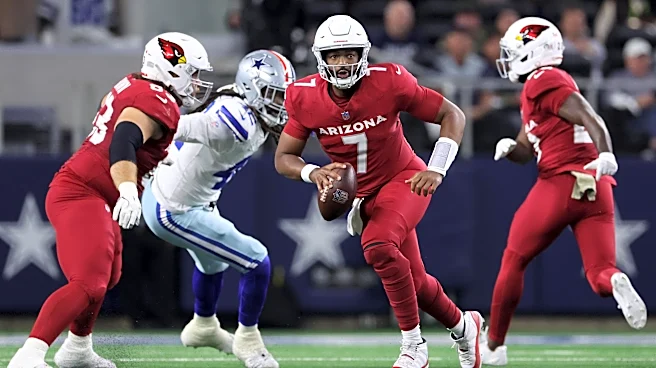



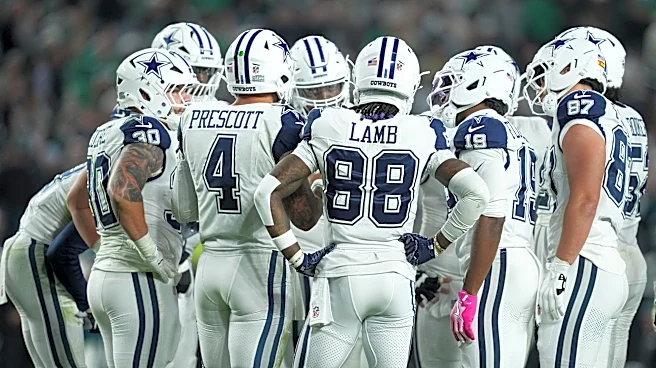

The Dallas Cowboys returned home looking to show they could grind out back-to-back wins after last week’s dismantling of the Philadelphia Eagles.
Dallas’ defense played with considerably more physicality and creating turnovers until the late game disappointment. Offensively, a couple of unlikely names provided important moments, although the running game and self-inflicted mistakes caused a massive fourth quarter collapse, eventually losing 33-30 in overtime.
We have four losers and three winners from
the game, but the damage done to the season is absolutely the biggest loser.
Loser: Cowboys running game
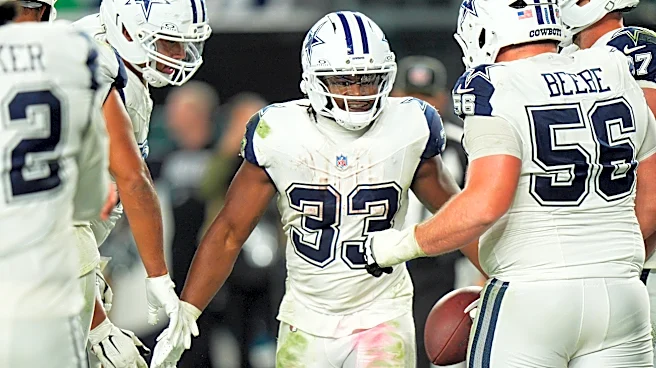
One week after Javonte Williams ran wild against Philadelphia, Dallas wasn’t able to reproduce anything close to it, and against this Arizona defense that’s most frustrating.
Williams totalled 56 yards on 24 carries, averaging only 2.3 yards per attempt, while Tyler Goodson had 14 yards on seven carries, easy maths there on yards per carry. Arizona consistently won around the line of scrimmage and Dallas struggled badly in short-yardage situations.
When Dallas was leading in the fourth quarter, that was exactly when the Cowboys should have been able to lean on their running game and drain the clock. Instead, Prescott had to continue carrying too much of the offensive responsibility, which made hard work closing the game out and gave Arizona the chances it needed to get the win.
Loser: Cowboys defense versus Tyler Allgeier
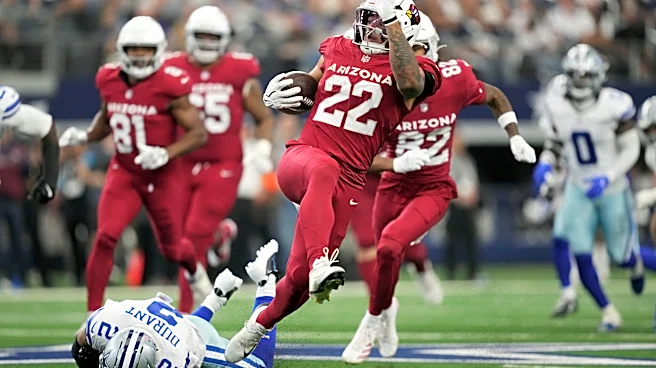
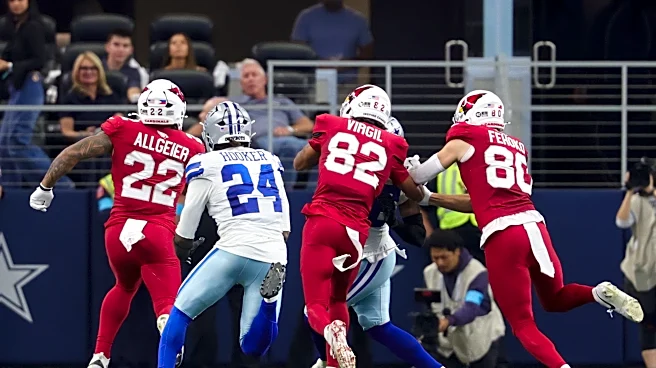
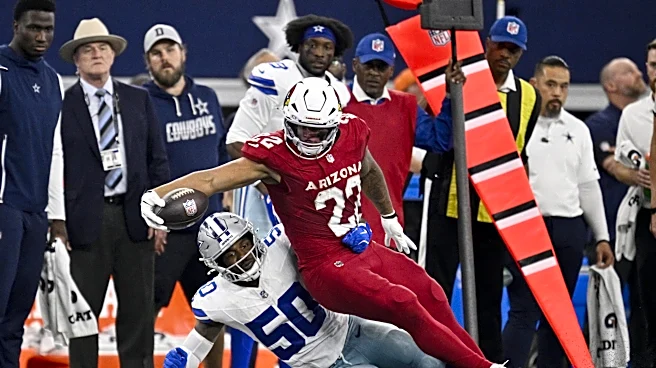
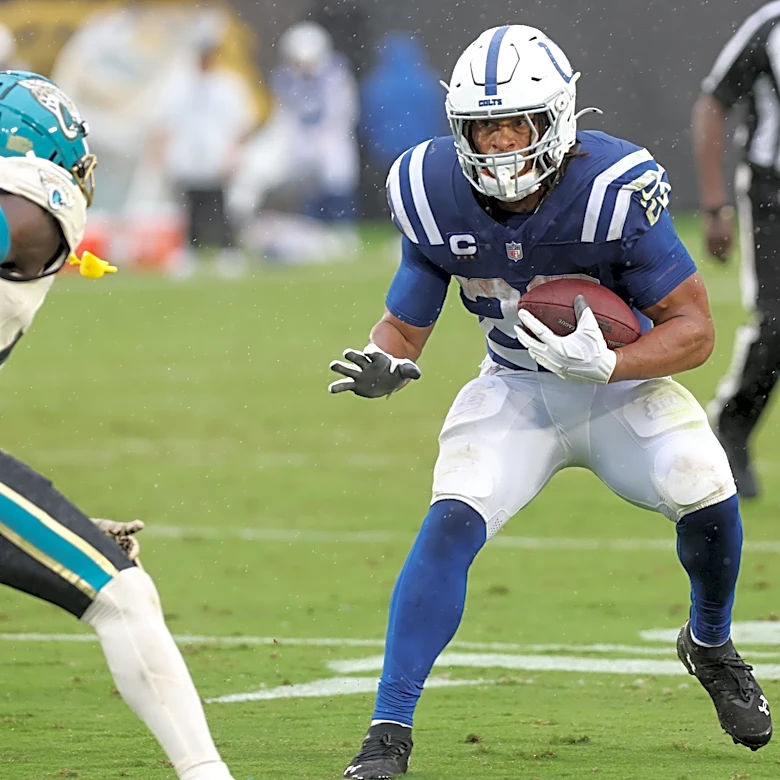
This one is difficult to explain. Tyler Allgeier entered Sunday with just 176 rushing yards on 61 carries this season, averaging only 2.9 yards per attempt. Against Dallas, he explodeded for 128 yards on only six carries, and he was the third running back on their depth chart.
The biggest damage came on a 63-yard touchdown run late in the third quarter that suddenly turned a comfortable 17-3 Dallas lead into a one-score game. Allgeier then hurt the Cowboys again through the air, catching a five-yard touchdown from Gardner Minshew in the fourth quarter to make it 24-17. That meant a player averaging fewer than three yards per carry coming into the game suddenly became Arizona’s biggest offensive weapon.
The Dallas defense gave up 128 rushing yards on six attempts, that’s more than 21 yards per carry, to a backup running back and that is simply unacceptable.
Loser: Rashan Gary
There are bad penalties, then there are penalties like Gary did.
Arizona faced third-and-10 from the Dallas 29 with 2:23 remaining and Dallas leading 27-17. Gardner Minshew’s pass fell incomplete. The Cowboys should have been walking off the field with Arizona facing fourth down. Instead, Gary was called for roughing the passer, 15 yards and an automatic first down.
On the very next snap, Minshew found Trey McBride for a 14-yard touchdown, suddenly making it 27-24. It was an terrible penalty at one of the worst possible moments that helped cost the team the game.
Loser: Brian Schottenheimer
This loss is on the head coach. Dallas led 24-10 in the fourth quarter and somehow lost the game. The most frustrating part was how passive the Cowboys became once they had something to protect.
Dallas put together a 15-play drive that consumed nearly seven minutes, but once it reached Arizona territory the aggression disappeared. The Cowboys eventually settled for a field goal to make it 27-17.
Dallas recovered the onside kick later in the game at the Arizona 20 with just over two minutes remaining and had another chance to finish the game. What followed was painfully conservative.
Williams ran for no gain. Prescott was sacked. On third-and-16, Dallas handed the football to Williams for three yards and happily settled for another Brandon Aubrey field goal. That made it 30-24, but it left Arizona 1:09 to drive for a touchdown.
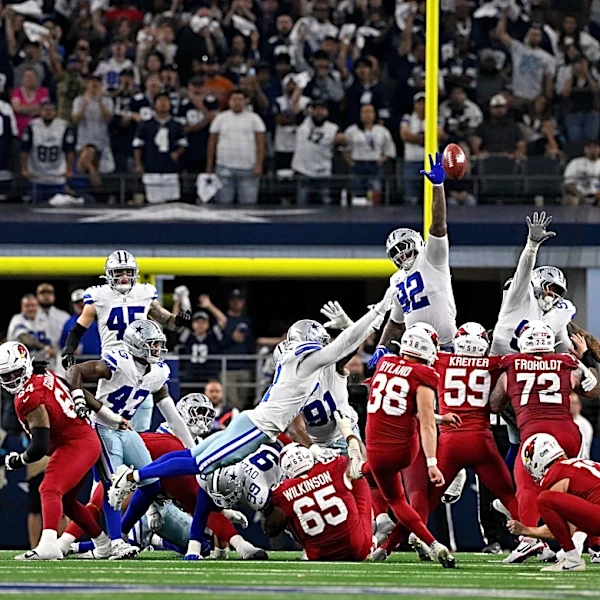
Arizona then went 80 yards, scored with ten seconds remaining and would have actually won the game in regulation had Chad Ryland not missed the extra point. Dallas then got another chance in overtime and still couldn’t finish it. Arizona eventually kicked the winning field goal.
Schottenheimer spent the closing stages coaching trying not to lose rather than coaching to win. There is a difference between intelligently managing a lead and becoming afraid to attack, this was the latter.
Dallas had multiple opportunities to finish an inferior opponent and repeatedly chose the safest possible option. It was scared football, and eventually Arizona made them pay
Winner: James Mitchell
What a way to make your first touch of the football this season count.
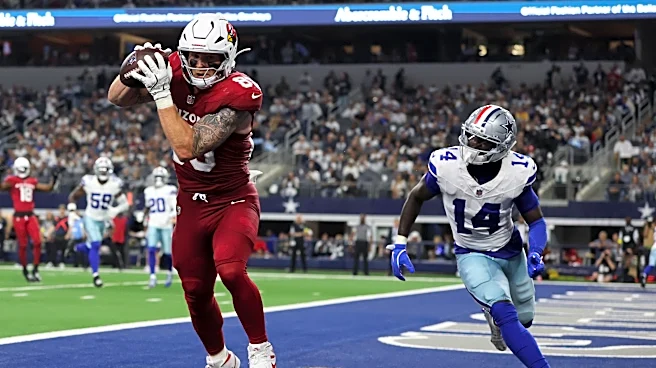
Javonte Williams appeared to be crossing the goal line for Dallas’ opening touchdown when Budda Baker knocked the football loose. Instead of disaster, James Mitchell was waiting in the end zone, recovering the fumble for the touchdown.
Mitchell was elevated with Dallas dealing with injuries at tight end and immediately made his opportunity count. Being alert enough to follow the play and turned what could have been a costly turnover into seven points, making his first touch of the ball for Dallas a touchdown. Now that’s efficiency.
Winner: Ryan Flournoy
Ryan Flournoy continues making a case for a bigger role.
Flournoy caught a nine-yard touchdown from Prescott in the second quarter and had three receptions for 38 yards, including a big 17-yard gain.
After producing 70 yards against Philadelphia, Flournoy has followed it with another useful performance. Dallas already has Lamb and George Pickens, but Flournoy is becoming an increasingly dependable third option.
Winner: Cowboys pass rush
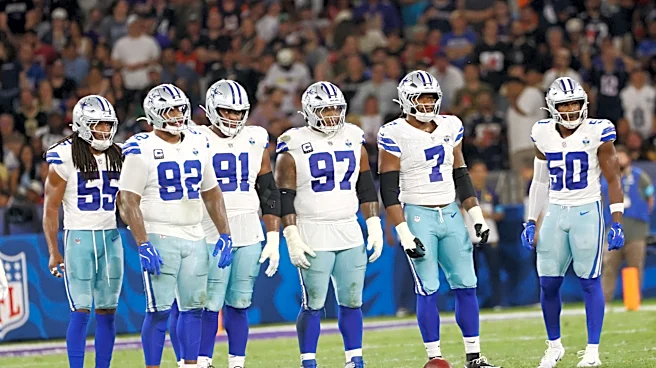
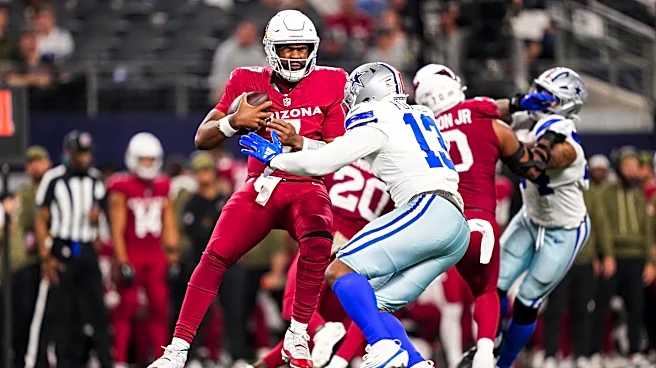
The Cowboys’ pass rush showed some real signs of life today. James Houston got Dallas started with a first-quarter sack of Jacoby Brissett, while Rashan Gary’s pressure helped create one of the biggest defensive plays of the game. Gary got into Brissett’s face on third down, hurried the throw and Shemar James stepped in front of it for the interception before returning it 33 yards.
Then came back-to-back sacks when Donovan Ezeiruaku got to Brissett, which then followed a huge 16-yard sack by veteran, Von Miller. Adding to the total was Quinnen Williams and this defense left the day with five sacks for 42 yards.