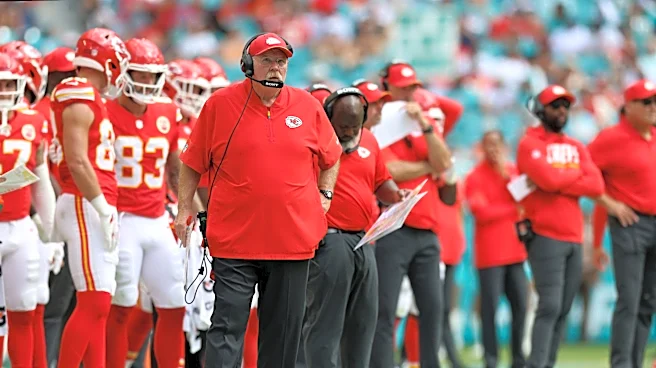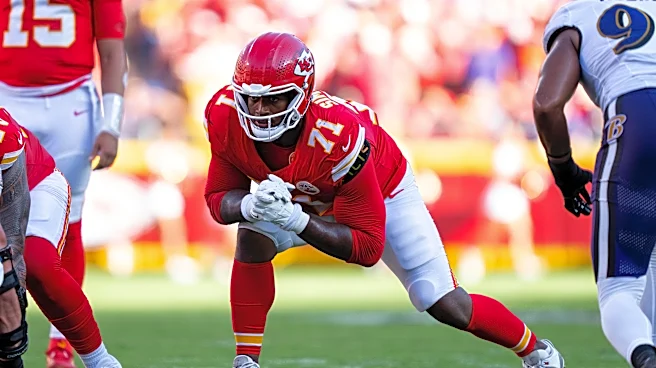

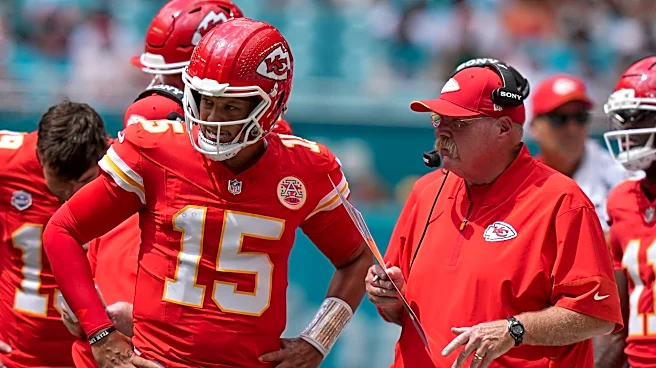
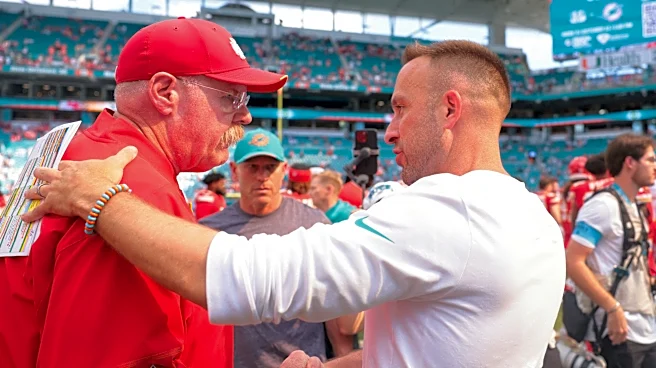
Head coach Andy Reid finally clarified one of the biggest question marks surrounding the Kansas City Chiefs’ 2026 season. In his Wednesday media availability, Reid revealed Simmons has a bulging disc in his lower back, which is why he has not made his 2026 season debut.
Simmons initially injured his back during training camp and has not practiced since mid-August.
Let’s examine the injury affecting quarterback Patrick Mahomes’ blind-side protector.
Analyzing the injury
The low back, the lumbar spine, consists of five large
vertebrae. Between each vertebra lies an intervertebral disc. Each disc acts as a shock absorber for the spine, as well as a cushion between each vertebral level. The disc serves to prevent nerve compression, shearing, and accelerated degenerative conditions of the spine.

When a disc bulges, the outer protective layer weakens and stretches outward, but the inner gel-like portion stays intact. A more significant injury is a herniated disc, where the disc protrudes outward because of a tear or crack in the outer protective layer.
A bulging disc can cause many problems. These include, most notably, pain, loss of range of motion, radicular symptoms (lower extremity pain or abnormal sensation), and loss of strength.
Nerves originate from each level of the spine and branch outward to the rest of the body and the extremities. The nerve roots from the lumbar spine innervate the lower extremities. Bulging discs that compress nerves can cause lower extremity pain, numbness, tingling, and/or loss of strength.
Unfortunately, there is no set timeline for how long a bulging disc takes to resolve. Many factors affect the healing process. Decompression and rest are key early in rehab, along with restoring any lost mobility. With any lower extremity symptoms, the goal is to centralize symptoms to the lumbar spine. Once symptoms decrease, the focus can shift more toward strengthening and returning to higher-level activity.
The bottom line
Reid said it himself in his press conference, “backs can be kind of tricky.” They can flare up easily, and when lower-extremity symptoms are present, they can take time to resolve entirely. It’s already apparent this is a significant injury, as Simmons has not practiced in a month and a half.
Based on the information reported, however, the extent of the bulging disc (mild, moderate, or severe) and whether multiple spinal levels are involved are unknown. Obviously, if there are multiple impaired discs or the severity of protrusion is greater, the symptoms will be more pronounced, and his return to play will take longer.
Offensive tackle is a position which requires speed, power, strength, and body control. All these attributes can be affected by a back injury, making it vital Simmons is healthy before returning to the field. Nerve compression is almost certainly at play here, given the lower-extremity weakness.
The focus should shift from a timeline for Simmons’s return to ensuring he is healthy for the long run. The Chiefs are in for a marathon of a season—currently in position for a postseason run. All reports from the team indicate Simmons is progressing well, and so trust should be given to the rehab professionals to give Simmons every opportunity to return to the field in 2026.