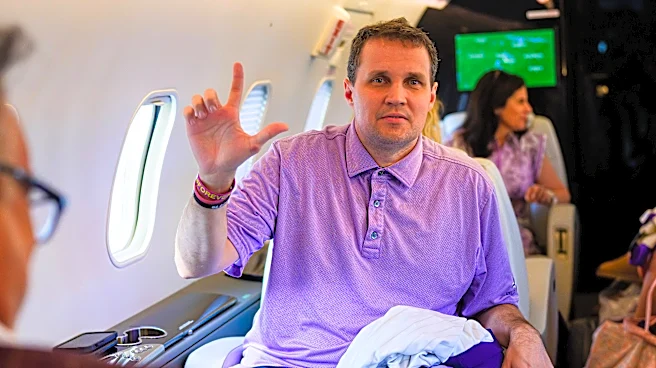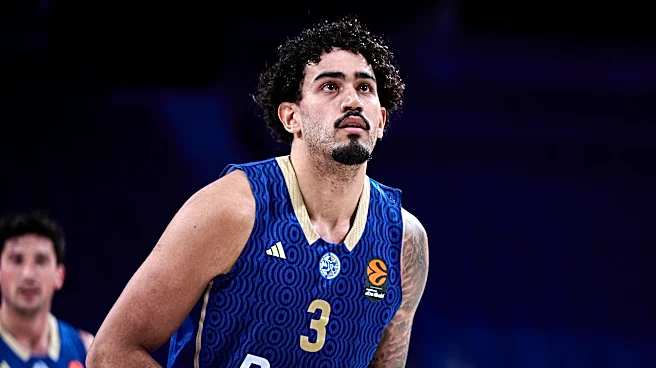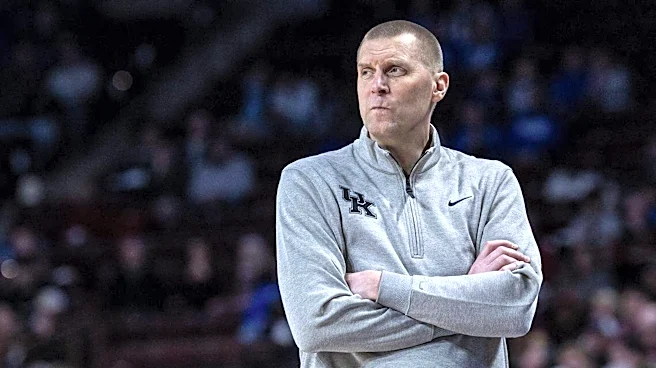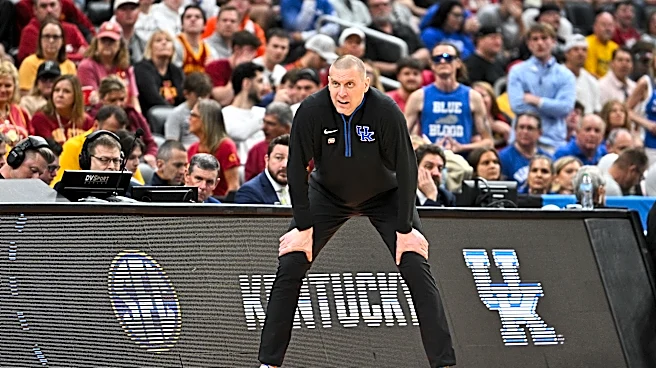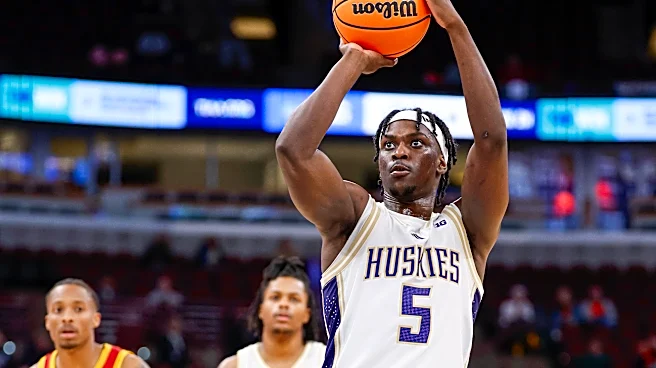







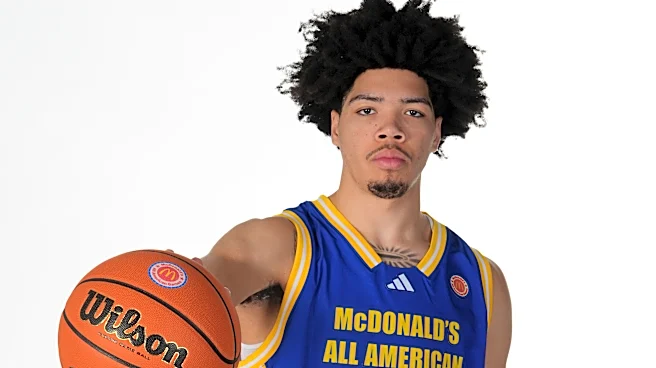
The Kentucky Wildcats have officially locked in their backcourt, unless a surprise player emerges. With the confirmed signing of Washington State transfer and Kentucky native, Jerone Morton, Mark Pope has assembled a guard trio of Morton, Washington transfer Zoom Diallo, and Furman transfer Alex Wilkins.
On the surface, having three experienced, productive guards is a massive win for a roster that desperately needed playmaking. But when you peel back the layers and look at the advanced numbers, this
trio shares an incredibly specific state.
Their combined shot profile is a complete contradiction to everything Mark Pope’s offensive system is built upon.
The midrange problem
Modern basketball analytics dictate a very simple formula: shoot 3s or get layups. That is pretty much what Mark Pope has always said as well. The tough, contested, pull-up midrange jumper is mathematically the least efficient shot in the game. It is exactly the type of shot that SEC defenses are perfectly willing to surrender.
Yet, for Kentucky’s new backcourt, the dribble jumper is their bread and butter.
If you look at the recent statistical profiles of Morton, Diallo, and Wilkins, a concerning trend emerges. Combined, those three players have logged:
- 196 Catch-and-Shoot jumpers and 335 dribble jumpers
They are overwhelmingly reliant on putting the ball on the floor and pulling up in the midrange, rather than spotting up for analytically friendly catch-and-shoot 3s where a teammate touches the paint and kicks it back out.
The Mark Pope paradox
This heavy reliance on the dribble jumper is okay with me, as long as you make it. But you have to make it. You can’t shoot 17 and make only 9. It has to be a highly efficient shot, or it becomes a problem.
Mark Pope is a coach who absolutely harps on analytics. Just two years ago, Pope openly stated that his goal was to shoot more than 30 3-pointers a night. To put this current roster’s shot selection into perspective: Pope’s final roster at BYU took only slightly more dribble jumpers as an entire team than Kentucky’s new guard trio combined for by themselves.
So, can it work?
Can the system adapt?
This leaves Kentucky with a fascinating offensive dilemma heading into next season.
Maybe this trio is simply that good at the forgotten art of midrange shooting. Maybe Diallo, Wilkins, and Morton will make SEC defenses pay for dropping back and giving them space at the free-throw line. But asking a team to consistently win basketball games in 2026 by shooting long twos is incredibly difficult.
The alternative is that Pope completely rewires their basketball DNA during summer workouts, forcing them to eliminate the dribble pull-ups and hunt for catch-and-shoot opportunities.
But neither course of action is guaranteed to work. It can work, though, and if the team buys in (which last year’s team struggled to do), it may work brilliantly. But it could just as easily crash and burn. For Pope’s sake, he better hope this team is more like year 1 and less like year 2.